The global race for dominance in autonomous mobility has pivoted toward the streets of Europe’s major metropolises. London is emerging as a critical proving ground where tech giants converge to reimagine the very concept of urban transit. The strategic entry of Baidu and Lyft into this market marks a pivotal milestone in the synthesis of Eastern hardware engineering and Western digital ecosystems—a process that is transforming experimental prototypes into a scalable, commercialized infrastructure for the future.
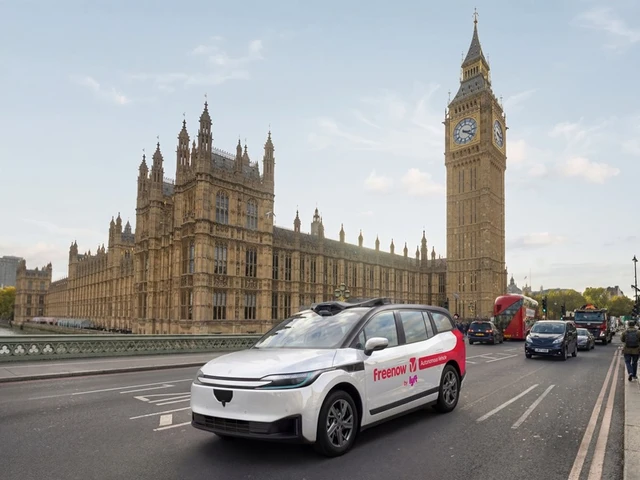
The British capital is transforming into the arena for one of the most ambitious technological experiments of the decade. Chinese tech titan Baidu, in collaboration with Lyft, has commenced testing autonomous vehicles on London's roads. Far from a random market entry, this initiative is the culmination of a deep strategic partnership aimed at deploying a specialized fleet of Apollo Go RT6 robotaxis.
The selection of the RT6 model is pivotal: unlike retrofitted production vehicles, this platform was engineered from the ground up specifically for autonomous transit. This allows for optimized operational costs and enhanced efficiency in navigating complex urban environments. End-users will access the service via the Freenow app—a platform Lyft acquired from BMW Group and Mercedes-Benz Mobility in 2025 for approximately €175 million.
The current landscape of the European market resembles a high-stakes, high-tech game of chess. Baidu and Lyft are not the only contenders vying for dominance in London. In April, Waymo—effectively representing Alphabet's interests—initiated similar trials utilizing human safety drivers. Simultaneously, Uber, partnering with developer Wayve, plans to launch its own robotaxi service within the current year.
Such intense competition underscores the critical importance of the British market as a bellwether for Europe's readiness for mass autonomous adoption. All players are following a similar trajectory: a gradual transition from a hybrid mode, where a human controller remains behind the wheel, to full autonomy. This approach not only allows for the refinement of computer vision algorithms and real-time decision-making but also enables the accumulation of vast datasets on driver and pedestrian behavior within one of the world's most complex traffic hubs.
General public access to Baidu and Freenow’s robotaxi services is anticipated by 2027. However, this date remains tentative, as the final rollout is directly contingent upon the pace of legislative adaptation and regulatory approval. Issues regarding liability in the event of accidents and the certification of safety systems remain the primary hurdles to full commercialization.
In its initial phase, the expansion will be localized within the Borough of Brent, where dozens of test vehicles will be integrated into the existing transport ecosystem. The "hybrid format" concept envisions the parallel coexistence of traditional taxis and autonomous units. This approach minimizes social friction and allows for a seamless redistribution of passenger flows, effectively transforming the urban environment into a living laboratory for the evolution of city transit.
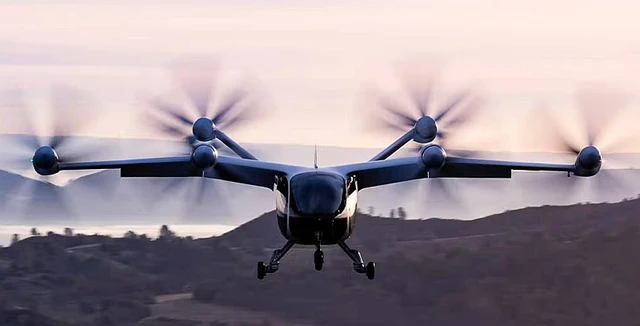 Texas Opens Its Skies to Air Taxis