The contemporary smartphone market has fully transitioned into an era of iterative evolution, where superficial design changes are increasingly superseded by internal optimization. Samsung’s Fan Edition lineup has long served as the strategic bridge between uncompromising flagships and the mass market. The upcoming Galaxy S26 FE epitomizes this approach, promising a substantial technological leap housed within a familiar form factor. In this iteration, the priority is not aesthetic novelty, but rather the raw efficiency of silicon and power management.
The mobile device industry is entering an era of "invisible upgrades," where the primary leap in progress has shifted from the surface of the screen to the architecture of the system board. The Samsung Galaxy S26 FE adheres strictly to this trend: visually, the device is nearly indistinguishable from its predecessor, maintaining the conservative and refined aesthetic of the series. However, beneath this external stasis lies a significant hardware overhaul designed to ensure the device remains relevant for years to come.
The cornerstone of this evolution is the transition to the new Exynos 2500 SoC. Unlike previous generations, where Samsung often struggled to strike a balance between stability and raw performance, the focus here is on a cutting-edge 3-nanometer process node. The processor's ten-core architecture, paired with the Xclipse 950 GPU, promises not only a boost in computational power but also a substantial reduction in thermal output. By leveraging AMD RDNA in the graphics core, the device can handle demanding content and modern mobile gaming more efficiently, bringing the FE variant closer to the capabilities of full-fledged flagships.
Nevertheless, a technical analysis reveals a certain compromise regarding memory. 8 GB of RAM and storage options up to 256 GB may suffice for most tasks, but against the backdrop of the rapid ascent of generative artificial intelligence (Galaxy AI), these specifications could become a bottleneck. In an era where neural networks require massive resources for local data processing, this modest RAM capacity underscores the device's status as an "optimized" flagship rather than an uncompromising powerhouse.
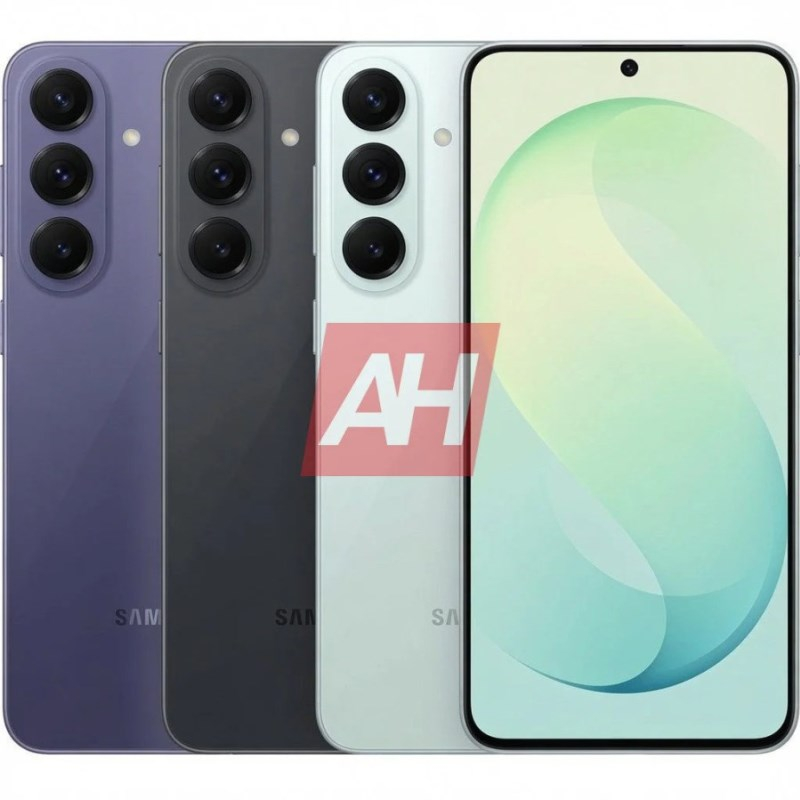
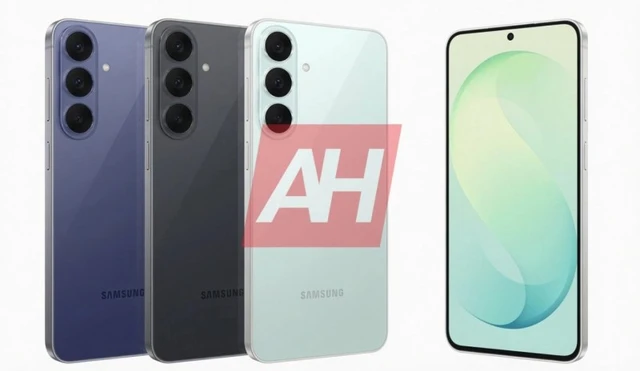
From an ergonomic standpoint, Samsung has opted for maximum continuity. The dimensions of the Galaxy S26 FE are identical to the previous generation: the chassis thickness remains at 7.4 mm, and the weight has increased by only three grams, reaching 193 g. This dimensional stability allows users to retain their familiar accessories and guarantees a proven ergonomic experience. The structural integrity is further validated by the IP68 standard, ensuring comprehensive protection against dust and water immersion.
Battery autonomy is powered by a 4,900 mAh cell. Combined with the energy-efficient 3nm chip, this should yield a noticeable increase in runtime per charge. Charging speeds remain aligned with industry standards for this segment: support for up to 45W wired fast charging and a 15W wireless standard. This is a pragmatic approach that prioritizes long-term battery health over the pursuit of ultra-fast charging, which often leads to accelerated cell degradation.
 Anthropic’s Strategic Push for Hardware Independence