Apple's upcoming September refresh marks a strategic pivot, moving away from radical aesthetic overhauls toward deep-seated internal optimization. While market speculation remains fixated on the potential debut of foldable devices, the wearables segment is gearing up for an iterative yet pivotal leap forward. The forthcoming Apple Watch Series 12 and Ultra 4 are centered on the synergy between raw performance and the precision of biometric analytics. It is a strategy of incremental refinement, where the true technological evolution remains concealed beneath the chassis.
The upcoming "Surprise and Shine" event is poised to be a pivotal synchronization point for the entire Apple ecosystem. Beyond the anticipated iPhone refresh, the spotlight will fall on the Apple Watch Series 12 and Ultra 4. Current leaks suggest a deliberate pivot away from aesthetic experimentation in favor of stability and utility. The design of the new models will remain virtually identical to their predecessors, underscoring a maturity of the form factor that Apple now considers optimal.
However, there is a compelling return to roots regarding materials. Ceramic casings are expected to make a comeback in the Series 12 lineup. Experiments with white and dark gray ceramic finishes evoke the aesthetics of the 2017 Series 3, suggesting an attempt by Apple to once again distinguish the premium segment through the tactile and visual properties of the materials.
The primary catalyst for this update will be the hardware. Following a period of stagnation—where the Series 11 and Ultra 3 shared the identical S10 chip—the market is anticipating the arrival of the S11. This transition is critical: the new processor must deliver a tangible performance leap, something that has been largely absent in recent years. This isn't merely about app launch speeds, but about the efficiency of real-time sensor data processing and power optimization.
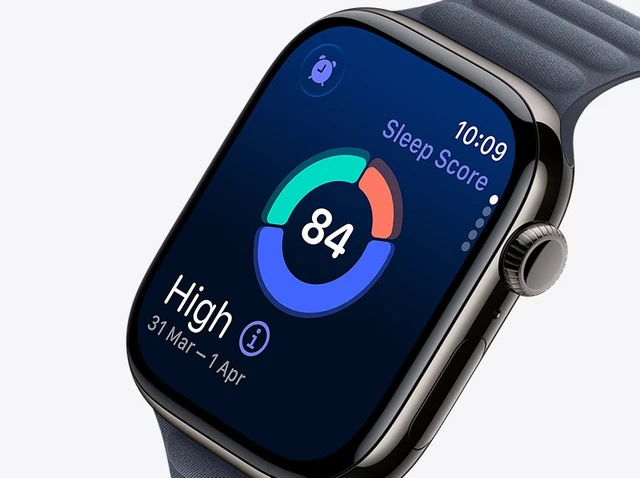
Particular attention is being paid to a paradigm shift in health monitoring. Apple is working on implementing a system for continuous heart rate data acquisition, allowing the device to analyze the user's state dynamically throughout the day, rather than relying solely on active measurements. This trajectory aligns the Apple Watch more closely with professional biohacking tools like Whoop and Oura. By expanding wellness metrics within the Health and Fitness apps, the watch is evolving from a simple tracker into a comprehensive personal health analytics hub.
Despite rumors of integrating health sensors directly into the strap, such features remain on the periphery of confirmed data. Furthermore, no budget SE 4 is planned for release this year, which may indicate a strategic repositioning of the entry-level models.
In the long term, Apple is preparing a fundamental overhaul of its wearable design; however, this project remains in development and is unlikely to surface within the next two years. The most ambitious challenge remains the creation of a non-invasive method for measuring blood glucose levels. This technology, often hailed as the "Holy Grail" of modern wearables, has a tentative implementation window toward 2030, highlighting both the complexity of the task and the company's serious ambitions in medical technology.
 MSI Katana 15 HX and the Memory Paradox