The personal device industry is poised for a fundamental paradigm shift, moving away from the confines of smartphone screens toward augmented reality interfaces. The strategic alliance between Samsung and Google represents a concerted effort to engineer a truly seamless overlay between the digital realm and human sensory perception. Central to this vision is the deep integration of generative AI, endowed with the capacity for real-time environmental awareness and contextual understanding. This concept promises to reimagine our fundamental patterns of information interaction, evolving a mere accessory into a sophisticated cognitive companion.
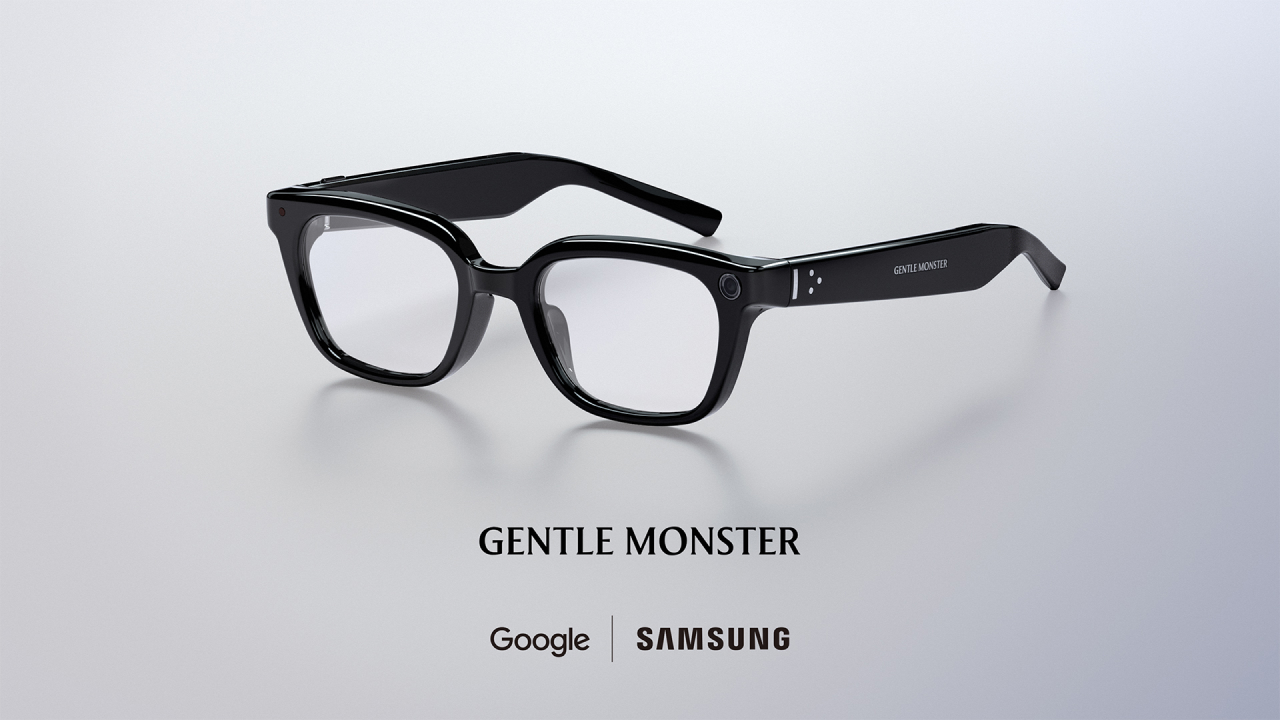
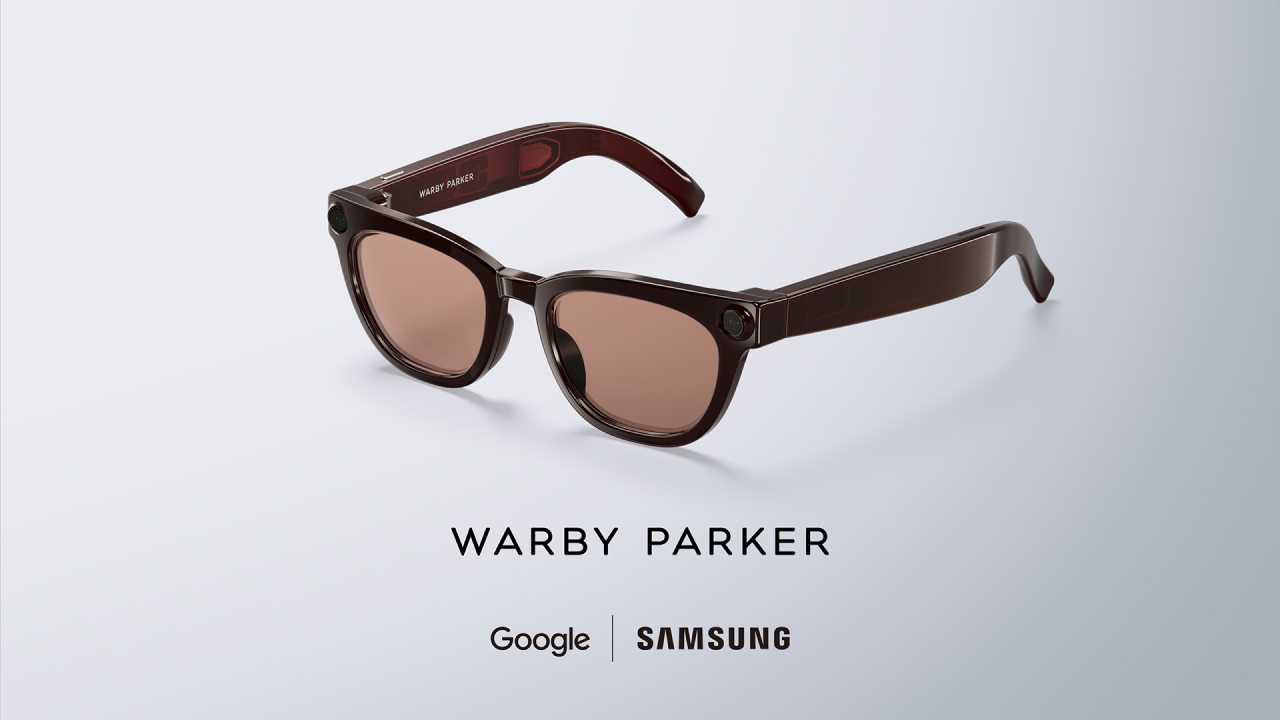
The Galaxy Unpacked event in London signaled Samsung's ascent into a new era of wearable development. The company unveiled smart glasses powered by Android XR—a specialized platform co-engineered with Google. A significant emphasis was placed on aesthetics; to ensure the technology didn't feel intrusive in daily life, Samsung collaborated with renowned design experts from Gentle Monster and Warby Parker. The result is a collection of elegant frames ranging from sharp, architectural lines to softer, rounded contours, underscoring an ambition to transform the device into a mainstream fashion accessory rather than a niche tool for enthusiasts.
The centerpiece of the device is its deep integration with the Gemini neural network. Thanks to an onboard camera, these glasses transcend simple information display and become an instrument for real-time environmental analysis. The AI's multimodal capabilities allow the system to "see" exactly what the user sees: instantly translating foreign signage, identifying architectural landmarks, or extracting critical data from advertisements directly into digital notes. This transforms urban navigation into an interactive experience where contextual assistance is available on demand.
The device's functional architecture is designed to decouple the user from the constant dependency on a smartphone screen. The glasses handle communication management—from processing calls and sending messages to providing intelligent summaries of missed notifications, allowing users to quickly regain context. Furthermore, the device supports image casting during video calls and full remote control of applications on the paired phone. For instance, Gemini can autonomously prepare a delivery order or hail a ride, though for security and oversight, the final execution always requires the owner's confirmation.
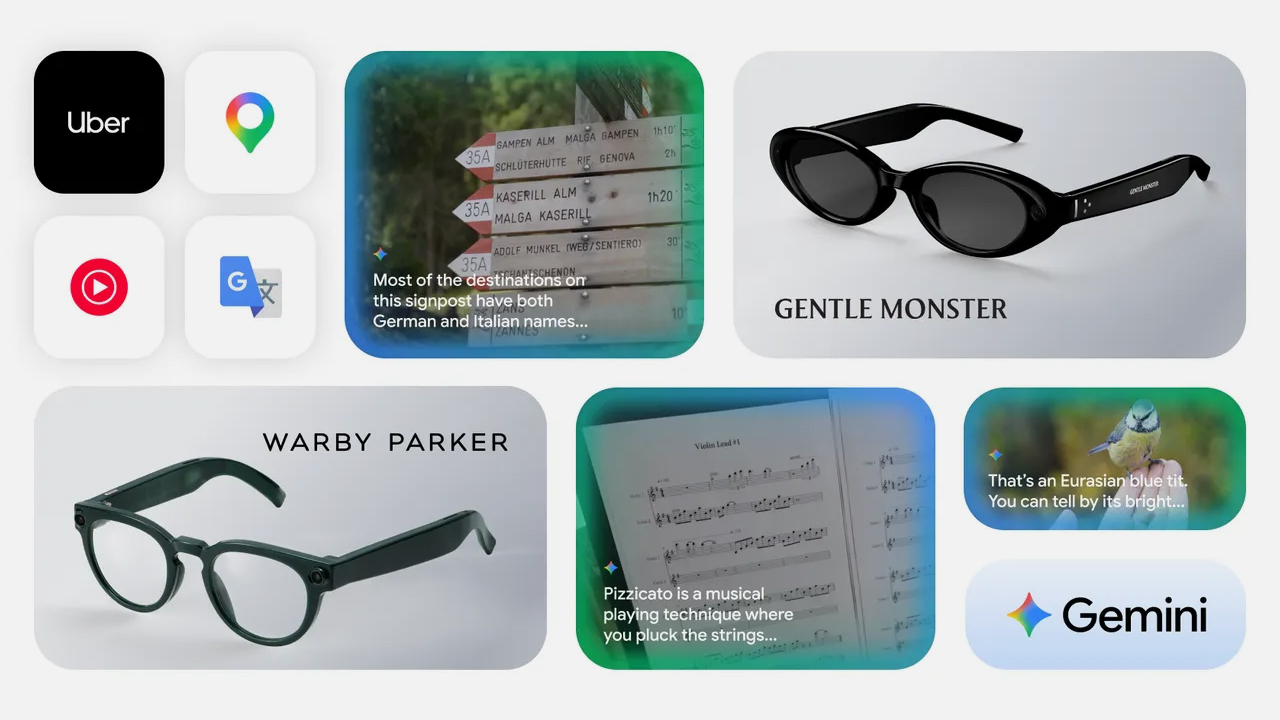
The hardware backbone is powered by Qualcomm’s specialized Snapdragon AR1 Gen 1 platform. This chipset is meticulously optimized for augmented reality tasks, striking a critical balance between power efficiency and the computational throughput required for AI processing and wireless data transmission. The optical system enables photos up to 12MP and first-person (POV) video recording at 6MP, making the device an intuitive tool for capturing "in-the-moment" experiences.
Power management is addressed through a combination of energy-efficient silicon and a sophisticated power delivery system. The glasses offer up to nine hours of operation on a single charge, while a compact charging case provides seven full recharges—effectively covering a full week of active use.
The product is slated for market release in autumn 2026. Samsung's compatibility strategy is pragmatically broad: the device will support both Android and iOS, although full ecosystem integration remains a privilege reserved for Samsung hardware owners. This approach maximizes the potential user base by offering Apple users core smart-glass functionality without tethering them to a specific operating system.

 The Triumph of 3nm Chip Manufacturing