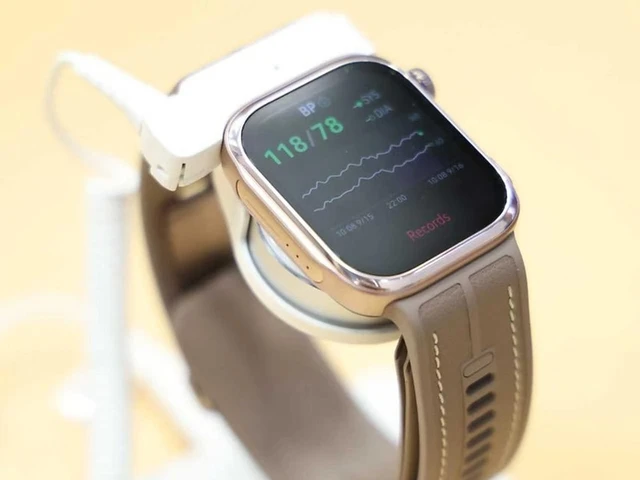
Modern wearables are rapidly evolving beyond simple fitness trackers, transforming into comprehensive medical monitoring instruments. One of the industry's most persistent challenges remains the accurate measurement of blood pressure without relying on cumbersome clinical equipment. Huawei’s latest generation of devices seeks to bridge this gap, delivering certified precision within a compact form factor. The Huawei Watch D3 represents a pivotal shift, moving the needle from sporadic health checks toward deep, real-time physiological analysis.
The unveiling of the latest wearable lineup at the Olympic Stadium in Munich signaled a definitive shift in the trajectory of consumer electronics: the convergence of everyday aesthetics and rigorous medical utility. The center of attention was the Huawei Watch D3—a device that transcends the conventional definition of a "smartwatch," evolving into a personal diagnostic suite.
The model's primary achievement lies in the significant overhaul of its blood pressure measurement system. Unlike most competitors that rely on indirect estimation methods, the Watch D3 pursues clinical validation. The device has earned CE MDR certification in the European Union, confirming its suitability for both spot-check measurements and full ambulatory blood pressure monitoring. Particular emphasis has been placed on dynamic states; the watch can accurately capture pressure readings during elevated heart rates, which is critical for assessing the body's physiological response to physical exertion.
This intelligent approach to monitoring is evident in the device's ability to analyze context. The system does not merely record figures; it tracks metrics before and after workouts, helping users calibrate exercise intensity and cultivate safe fitness habits. Furthermore, the algorithms account for environmental stressors, such as abrupt temperature fluctuations or high-altitude conditions, triggering notifications when blood pressure checks are recommended.
A holistic approach to wellness is implemented via the Health Glance feature. In a matter of seconds, it provides a comprehensive snapshot of key metrics: from blood oxygen saturation (SpO2) and heart rate to sleep quality and body temperature. This synergy of data transforms the device into a tool for preventative diagnostics, allowing users to detect physiological anomalies before overt symptoms manifest.
The technical evolution of the Watch D3 is equally apparent in its hardware. Engineers have solved a complex design challenge: reducing the case thickness from 13.3 mm to 11.4 mm while simultaneously expanding the LTPO AMOLED display to 1.92 inches. Despite the reduced footprint, battery capacity has been increased to 540 mAh, ensuring up to six days of autonomy under standard use cases.
In terms of connectivity, the device takes a step forward by introducing Bluetooth 6 support, guaranteeing a more stable and energy-efficient link with the smartphone. The return of a full-fledged GPS module and compliance with the IP68 protection standard make the watch a versatile tool for both urban environments and outdoor adventures.
In the marketplace, the Watch D3 is positioned as a premium instrument for those who prioritize health. With a pre-order price of €449 and broad compatibility with modern operating systems (Android 8 and iOS 13), the device aspires to be the gold standard in the medical wearables segment—a space where data accuracy is becoming far more valuable than marketing promises.
 The Foldable iPhone: A New Chapter for Apple