Modern web browsers have evolved far beyond simple page-viewing tools, transforming into comprehensive operating environments for productivity and communication. Microsoft Edge is driving this evolution forward, implementing fundamental shifts in synchronization mechanisms and digital identity management. The rollout of version 150 signals a pivot toward a more agile update cadence and a strategic rethink of the user interface. Rather than mere bug fixes, this release establishes the architectural foundation for a new global trajectory for the platform's development.
The rollout of Microsoft Edge version 150 for Windows, macOS, and Linux marks a pivotal juncture, blending critical technical refinements with a strategic pivot in the product's trajectory. At its core, the update leverages the latest Chromium engine, augmented by proprietary security patches designed to close critical vulnerabilities and harden the browser's defensive perimeter.
One of the most significant shifts concerns operating system requirements. Version 150 serves as the final milestone for macOS 12 Monterey support. Starting with the subsequent release (v151), Apple users will be required to migrate to macOS 13 Ventura or newer—a move that underscores Microsoft's commitment to maintaining contemporary security and performance standards.
Edge "Workspaces," the tool designed for organizing tab sets, has undergone a major structural overhaul. Developers have transitioned the feature to version V2, fundamentally altering its data storage logic. Information regarding workspaces has been migrated from OneDrive and SharePoint cloud repositories directly into the Edge synchronization service. While this shift is engineered to enhance stability and accelerate data access, it comes at the cost of collaborative functionality. For the enterprise sector, where synchronization may be constrained by organizational policies, migration for first-generation data will persist; however, new workspaces will remain local to each specific device.
Parallel to these backend changes is a concerted effort toward interface streamlining. Microsoft has officially announced the phased deprecation of the app list on the sidebar. This move is driven by a minimalist ethos and a desire to simplify the user experience: the ability to add new apps has been disabled, and existing pinned elements will be removed in upcoming updates. A similar approach has been applied to privacy settings, where the language governing third-party cookie management has become more transparent and granular.
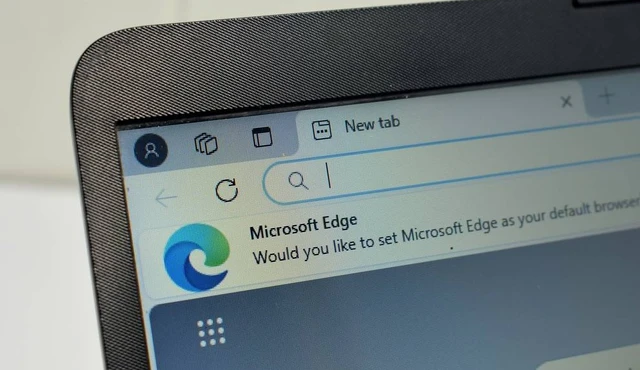
In a notable strategic shift, Microsoft is introducing the ability to authenticate within the browser using a Google account. Previously, Edge was tightly coupled with the Microsoft ecosystem; now, it opens the door to more flexible profile management across Windows and macOS. This feature is being deployed in stages, and system administrators can govern the rollout via the NonMicrosoftAccountSignInEnabled policy, allowing organizations to define their own parameters for identity system openness.
For the enterprise segment, security and integration tools have been fortified. Intune MAM protected downloads now automatically route files into a dedicated OneDrive folder, ensuring rigorous control over corporate content. Additionally, the "View in File Explorer" functionality for SharePoint libraries has been modernized with enhanced validation and restrictions during webpage launches, minimizing the risk of vulnerability exploitation when interacting with the file system.
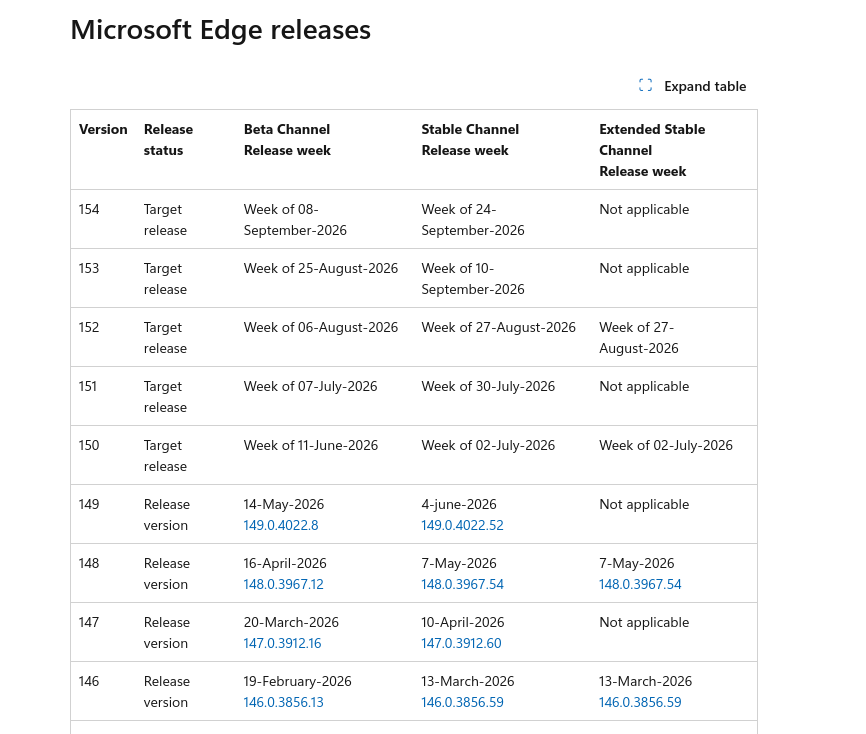
Rounding out these updates is a fundamental change in development cadence. Starting in late August 2026, Microsoft Edge will transition from a four-week to a two-week release cycle. This shift enables faster delivery of security patches and feature enhancements without overloading any single update with an excessive volume of changes. For organizations prioritizing maximum stability and predictability, the Extended Stable channel—with its eight-week cycle—remains available, creating a flexible ecosystem where users can choose between rapid innovation and conservative reliability.
 The Price of Acceleration: CXMT’s Rapid Push into Memory