The wearables market is undergoing a steady evolution, shifting away from basic fitness trackers toward comprehensive health monitoring ecosystems and integrated lifestyle management tools. Against this backdrop, Honor’s latest offerings represent a strategic effort to strike the perfect equilibrium between the streamlined form factor of a fitness band and the robust utility of a smartwatch. A relentless focus on battery longevity and display fidelity has become the defining trajectory for the entire product lineup. These new models illustrate a broader trend: the democratization of high-end tech, as accessible devices begin to inherit features once reserved exclusively for the premium tier.
The contemporary fitness tracker market demands more than just an incremental increase in sensor counts; it requires a qualitative evolution of the user experience. The new Honor Band 11 series, recently debuted in the Chinese market, reflects this trend by offering two distinct interpretations of the "smart band" concept: a pragmatic base model and an expanded Pro version designed for those prioritizing maximum autonomy and functionality.
The base Honor Band 11 prioritizes ergonomics and visual fluidity. The device features a 1.57-inch OLED display with a 60Hz refresh rate, delivering an interface smoothness comparable to modern smartphones. Aesthetics play a central role here: the integration of 2.5D curved glass makes interaction feel more natural and intuitive. Constructed from reinforced polymer fiber and weighing just 15.3 grams, the chassis is virtually imperceptible on the wrist, while its 5 ATM water-resistance rating ensures reliability during pool sessions or intense workouts in the rain.
The technical specifications of the base version show a marked evolution over its predecessor. The array of sports modes has expanded to 113, including a specialized mode for badminton—a clear indication of the manufacturer's intent to capture niche active-lifestyle segments. However, the most significant achievement is in power management: the 250 mAh battery now provides up to 18 days of operation, substantially reducing charging frequency.
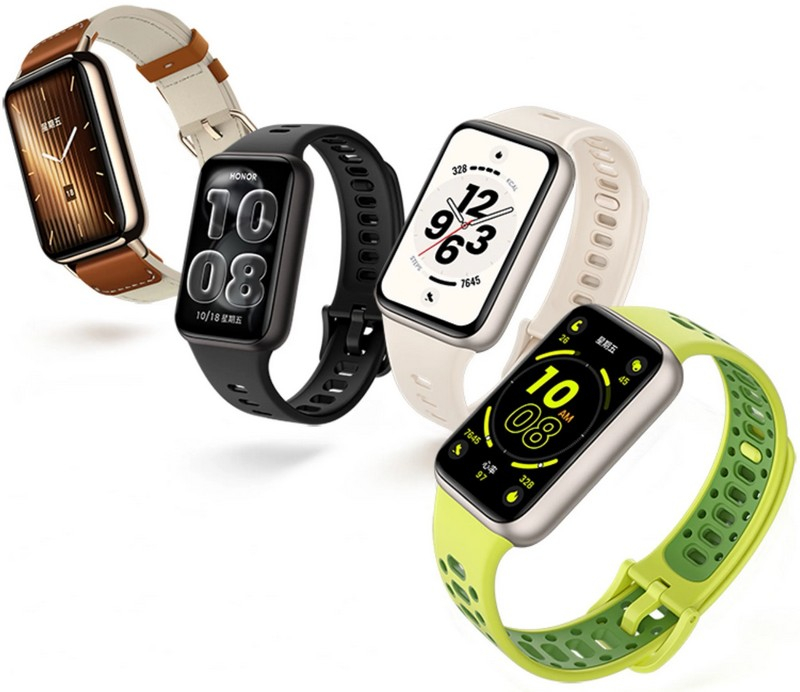
In terms of health monitoring, the Honor Band 11 transcends basic pedometry. The device employs a holistic approach, ranging from classic heart rate and blood oxygen saturation (SpO2) measurements to sleep quality and stress level analysis. Particularly noteworthy is the implementation of sudden cardiac arrest detection—a critical safety feature that transforms a fitness accessory into a potentially life-saving tool.
The Honor Band 11 Pro elevates the band concept to the level of a full-fledged smartwatch. It utilizes a more premium aluminum alloy for the chassis and an enlarged 1.61-inch OLED display. A key technical advantage is the peak brightness of 2,000 nits, guaranteeing perfect legibility even under direct sunlight—a common pain point for users of budget wearables.
The Pro version's primary engineering breakthrough is the adoption of a silicon-carbon battery with a 400 mAh capacity. This technology significantly increases energy density which, combined with system optimization, yields an impressive 26 days of autonomy. Beyond power efficiency, the Pro model expands its connectivity: Bluetooth calling and NFC support transform the band into a functional communication hub and payment tool. For the most demanding users, an optional version with integrated GPS is available, allowing for workout tracking without the need for a tethered smartphone.
Additional functionality in the Pro version includes media playback control, remote camera shutter capabilities, and an expanded suite of intelligent notifications. From a market positioning perspective, Honor has created a strategic product tier: ranging from an accessible entry-level solution priced at approximately $34 to the advanced GPS variant at $52. This approach allows the brand to capture a broad audience, offering either a minimalist health tool or a tech-saturated gadget tailored for an active urban lifestyle.
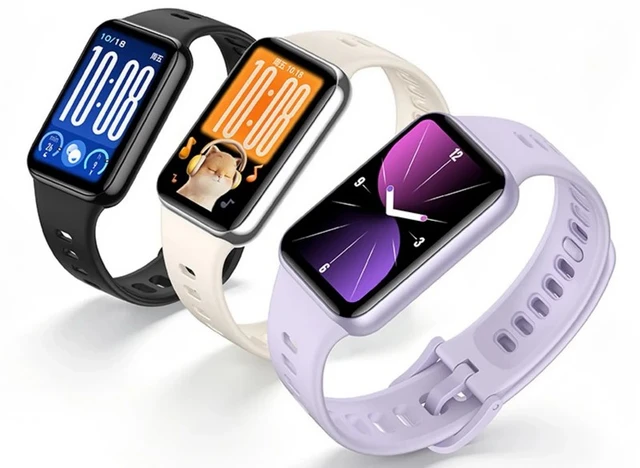
 Analog Aesthetics in Digital Execution