For years, Apple maintained a tentative presence in the smart home market, characterized by hardware refresh cycles that often stagnated for years. The primary bottleneck was Siri; the assistant simply failed to keep pace with the escalating demands of a user base hungry for true intelligence. With the arrival of Apple Intelligence, however, the company is shifting to an aggressive offensive, tightly integrating its hardware with the latest breakthroughs in neural networks. This strategic pivot transforms ordinary speakers and hubs into comprehensive command centers for the intelligent environment.
For too long, Apple’s smart home lineup—led by the HomePod mini and Apple TV—has existed in a state of prolonged stagnation. With many devices remaining untouched for four to six years, a palpable disparity emerged between the ecosystem's theoretical potential and the actual capabilities of the hardware. The primary bottleneck was the evolution of Siri; Apple refrained from refreshing its hardware until the voice interface reached a level of sophistication that could justify a fleet-wide upgrade. Now that the AI architectural foundation has been established, Apple is launching a massive refresh cycle for its home product category.
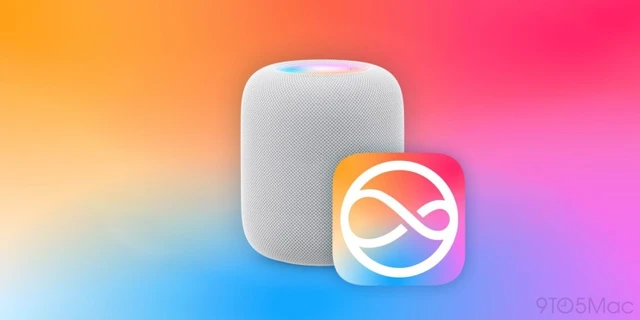
The first to hit the market will be the updated HomePod mini and Apple TV 4K. For the HomePod mini, the pivotal upgrade will be the replacement of the aging S5 chip with the more modern S9, or potentially an even more powerful successor. Simultaneously, the device will integrate the new N1 chip to handle Wi-Fi connectivity—a technology already proven across recent iPhone generations. While these changes may seem modest on the surface, they are critical for powering the revamped Siri, effectively transforming the compact speaker from a mere acoustic device into a sophisticated AI terminal.
The Apple TV 4K is also slated for a significant boost in computational headroom, with the A15 Bionic being superseded by the A17 Pro. Although this processor is no longer the cutting edge of the smartphone lineup, its resources are more than sufficient to ensure a fluid interface and full support for Apple Intelligence features. Beyond the internal architecture, an aesthetic overhaul is expected, featuring a redesigned remote that promises improved ergonomics and functionality.
However, the company's most ambitious endeavor is the development of a central smart home hub. This device is designed to be the centerpiece of the ecosystem, consolidating control, visual interface, and communication. The hub is expected to debut in two variants: a wall-mounted display with a magnetic mounting system and a stationary model with an integrated speaker base, echoing the concept of the Google Nest Hub.
At the core of this device will be a 7-inch square display running a specialized operating system dubbed homeOS. The hardware will be driven by the powerful A18 chip, enabling the hub to fluidly handle FaceTime calls, interact with Siri in real-time, and coordinate the entire network of sensors and devices within the home. This product is anticipated to launch between October and early next year.
In the near term, Apple also plans to refresh the full-sized HomePod, equipping it with a modern microprocessor to fully support AI capabilities. Yet, the company's strategic roadmap extends much further. By early 2027, Apple intends to deepen its footprint in the security segment by releasing its own proprietary surveillance cameras and video doorbells.
This trajectory signals a fundamental strategic pivot. Apple is moving beyond being a mere software provider for third-party smart home hardware. Instead, the company is transitioning toward a closed-loop, vertically integrated ecosystem where proprietary hardware and deeply optimized AI converge to create an uncompromising user experience.
 Anthropic’s Strategic Push for Hardware Independence