Apple is entering a phase of radical transformation across its hardware portfolio. The convergence of artificial intelligence and emerging form factors is propelling the company toward a new generation of devices that dissolve the boundaries between conventional gadgets. From foldable displays to audio systems integrated with computer vision, the forthcoming product cycle is designed to fundamentally reimagine the human-digital interface. This strategic pivot, coinciding with critical leadership transitions, reinforces the brand's position as the industry's preeminent innovator.
The coming year is poised to be a period of unprecedented release density for Apple. The leadership transition, with John Ternus ascending to the role of CEO, coincides with a wave of product launches designed not merely to refresh the existing lineup, but to assert the company's absolute technological dominance. The strategic focus will center on three pivotal pillars: the reimagining of the classic smartphone, an aggressive expansion into the foldable segment, and the integration of visual perception into wearable audio electronics.
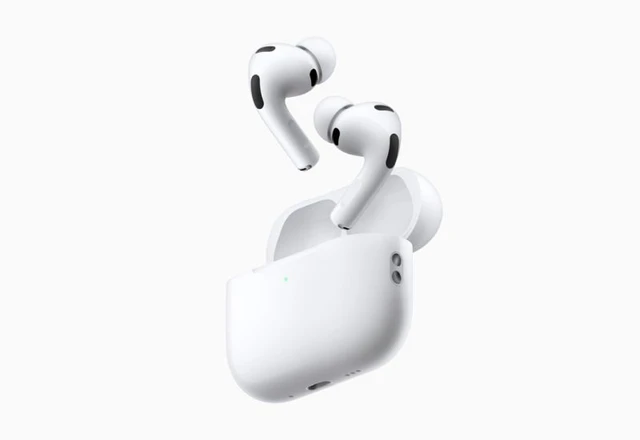
Among the most ambitious projects are the camera-equipped AirPods. This innovation transforms the earbuds from a simple audio accessory into a sophisticated tool for environmental analysis. By leveraging computer vision and AI algorithms, the device will be capable of reading real-time contextual data, enabling Siri to evolve into a truly proactive AI companion.
From a technical standpoint, the integrated cameras will allow for the dynamic optimization of audio streams based on the user's surroundings and the implementation of advanced, voice-guided step-by-step navigation. A notable design detail will be the addition of LED indicators on the chassis, which will signal when data is being transmitted to cloud infrastructure, ensuring transparency regarding user privacy. While initially slated for a release this year, the timeline has been adjusted; delays in the development of proprietary AI models have pushed the debut to next year to ensure the product meets Apple's stringent internal quality benchmarks.
Parallel to this, Apple is preparing the second iteration of the foldable iPhone Ultra, intended to solidify the brand's presence in the flexible display market. However, the autumn's crowning achievement will be the landmark anniversary iPhone, marking 20 years since the original device's debut. This model is expected to feature a virtually bezel-less display with elegantly contoured edges, setting a new paradigm for industrial design. The lineup will introduce two modifications under the codenames V73 and V74, which are effectively set to replace the traditional Pro and Pro Max designations.
The foundation for these innovations lies in a major semiconductor breakthrough. The anniversary smartphones and the foldable model will be powered by the A21 processor from the Naxos family, built on a cutting-edge 2-nanometer fabrication process. For comparison, the standard iPhone 18 will utilize the A20 (Banda) chip, while current flagships rely on the A20 Pro from the Borneo family. Apple is already charting a course further ahead: development of the iPhone 18 successor featuring the A21 (Nimos) is well underway, and by 2028, the company plans to transition to 1.4-nanometer technology for the A22 Pro chips, eyeing partnerships with both TSMC and Intel.
Beyond smartphones, Apple is expanding the horizons of wearable tech. In development are smart glasses, codenamed N50, designed to compete directly with Meta's lightweight solutions. Furthermore, Apple is exploring the concept of an "intelligent pendant"—a camera-integrated accessory that blends the aesthetics of jewelry with the functionality of a wearable sensor.
The connective tissue for this entire ecosystem will be iOS 28, scheduled for release next autumn. This OS will provide the architectural foundation for the 2027 hardware cycle, ensuring seamless integration between AI capabilities, new sensor arrays, and updated silicon. In doing so, Apple is executing a long-term strategy where hardware and software evolve in lockstep, creating a seamless, high-tech closed-loop ecosystem for the future.
 The Evolution of Rendering in DLSS 4.5