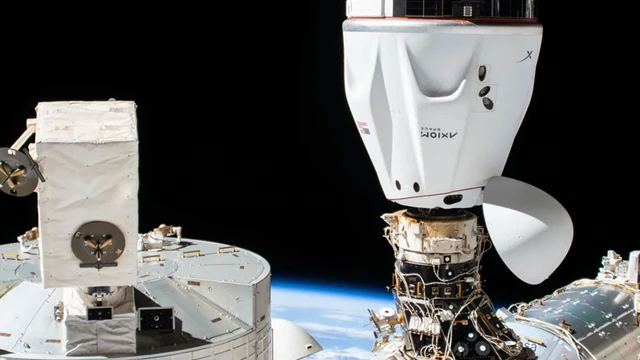
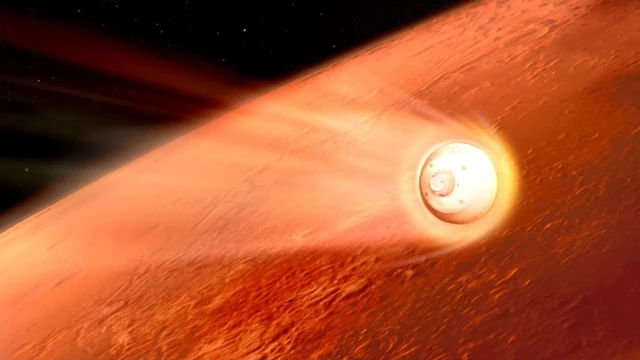
The race toward fully reusable space systems is entering its endgame—a phase where the margin for error has vanished and the stakes are absolute. SpaceX aims to pivot space access from a rare, high-stakes event into a routine logistical operation, akin to the seamless nature of commercial aviation. The primary technical hurdle remains the recovery of the Starship upper stage, the most massive spacecraft ever constructed. The forthcoming test flight must demonstrate that the vehicle can execute a precision return to the launch site and be successfully intercepted by the tower's mechanical arms.
For its fourteenth test flight, SpaceX is poised to execute one of the most ambitious maneuvers in modern astronautics: an attempt to catch the returning Starship spacecraft using the launch tower. While previous efforts focused on the recovery of the Super Heavy booster, the target has now shifted to the upper stage. This pivot is driven by a pursuit of total reusability, where both components of the rocket complex return to the pad for minimal refurbishment and an accelerated turnaround.
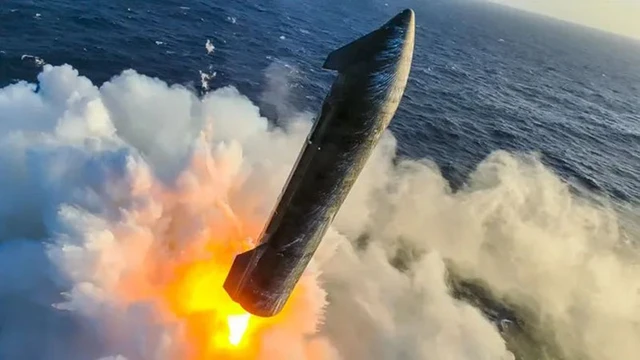
The technical execution of this process borders on science fiction. After piercing the dense layers of the atmosphere, the 52-meter-tall spacecraft must perform a precision return maneuver to the Starbase facility in Texas. In the final phase, the vehicle will hover momentarily, allowing the tower's mechanical arms—famously dubbed "the chopsticks"—to secure it via specialized structural hardpoints on the hull.
The transition to such a high-stakes scenario was made possible by the data gathered during Flight 13. For a long time, thermal protection remained Starship's primary Achilles' heel: the ceramic tiles must withstand extreme hypersonic heating without disintegrating or requiring an intensive overhaul after every mission. Analysis of the latest launch indicates that the heat shield system has finally reached the necessary threshold of reliability. Furthermore, the spacecraft achieved such a gentle splashdown in the Indian Ocean that it remained virtually intact, despite creating localized navigational challenges due to its drift.
Beyond the recovery of the vehicle itself, the fourteenth flight marks a critical milestone in payload operations. SpaceX intends to deploy a batch of Starlink V3 satellites into a fully operational orbit. In previous tests, such payloads were sent on suborbital trajectories and incinerated upon re-entry; now, the objective is to establish a functioning segment of the network.
In the long term, the success of this operation will allow SpaceX to exponentially scale its launch cadence. The ideal cycle envisions the ship and booster undergoing only a perfunctory inspection before the next liftoff, eliminating lengthy infrastructure restoration cycles. Should current tests succeed, flight frequency could grow exponentially, with the ultimate goal being one launch per day. Realizing such a schedule will require not only flawless engineering but also unprecedented coordination with regulatory agencies to approve such an intensive operational tempo for super-heavy lift vehicles.
 Power Specifications: Oppo A7 Pro Max 5G