The era of physical media is definitively ceding ground to digital distribution, fundamentally reshaping the landscape of the entire entertainment industry. Sony, a central figure in this shift, is spearheading a sweeping transformation of its manufacturing infrastructure. This is not merely a matter of shuttering production lines; it is a profound technological pivot of its facilities. The transition from disc fabrication to the development of precision optics marks a pivotal new chapter in the company's global strategy.
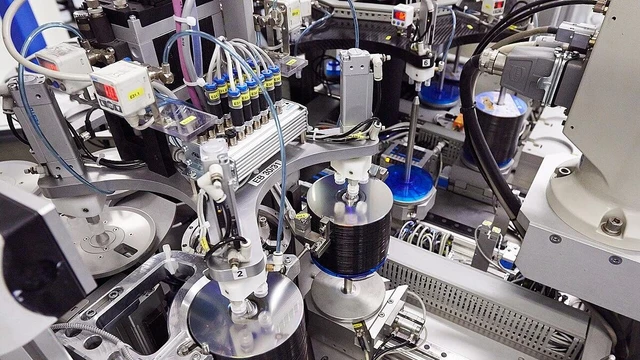
Sony’s decision to phase out console disc production by January 2028 is the culmination of a long-term shift in consumer behavior. The epicenter of this transformation is the plant in Thalgau, Austria, which serves as the headquarters for the Sony DADC division. Currently, the facility operates on an impressive scale, producing up to 600,000 discs per day, half of which are PlayStation gaming products. However, by 2028, production capacity will be slashed to ten percent of current levels, effectively signaling the twilight of optical media in its traditional form.
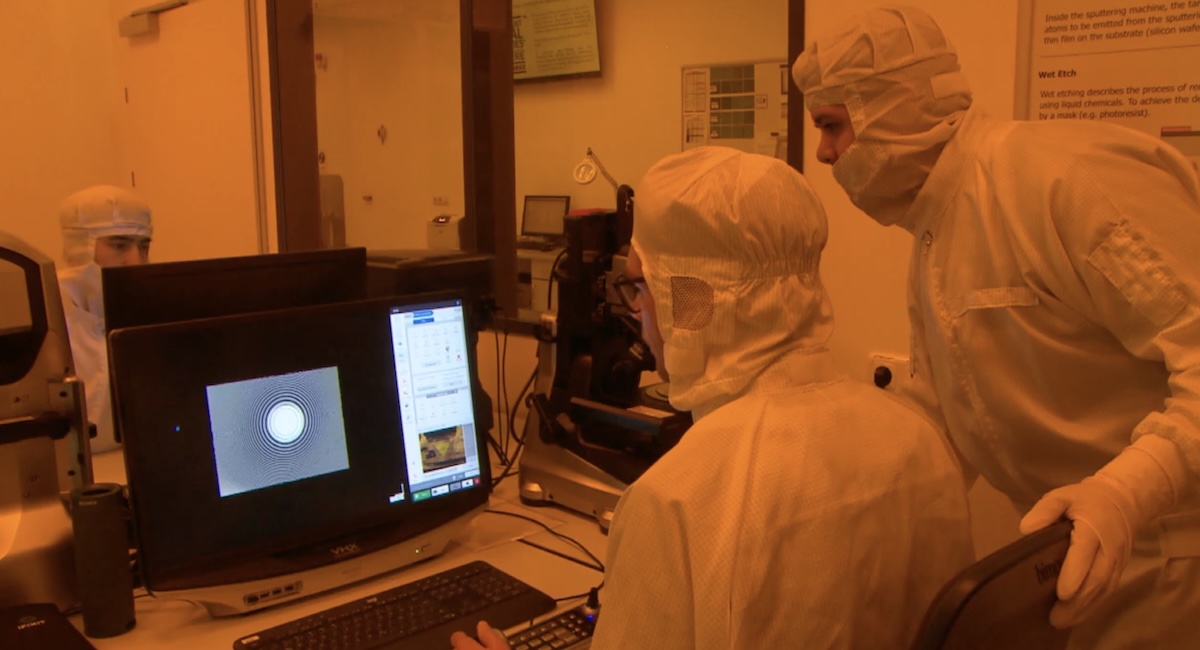
This process is not merely a downsizing effort; rather, the company is betting on the strategic reallocation of resources. Approximately 300 plant employees are undergoing retraining to specialize in the production of microlenses—high-tech components that demand extreme manufacturing precision.
Sony is no stranger to such industrial pivoting. For decades, the company expanded its US operations across sites in Indiana and New Jersey. While the New Jersey facility was shuttered back in 2011, production capacities in Indiana were fully migrated to Thalgau by 2022. Notably, the Indiana plant did not simply vanish; it completely shifted its operational vector, evolving into a service hub for automotive manufacturers specializing in the assembly and packaging of headlights and related components. In doing so, Sony has established a systemic approach to repurposing its industrial assets.
From an engineering perspective, the technological transition in Thalgau is particularly elegant. As early as 2024, the plant began experimenting with microlens fabrication by leveraging existing disc production infrastructure. It appears that the precision polymer molding techniques once utilized for CDs and DVDs are ideally suited for creating micro-optical elements. A single standard disc surface can now accommodate up to 60 such lenses.
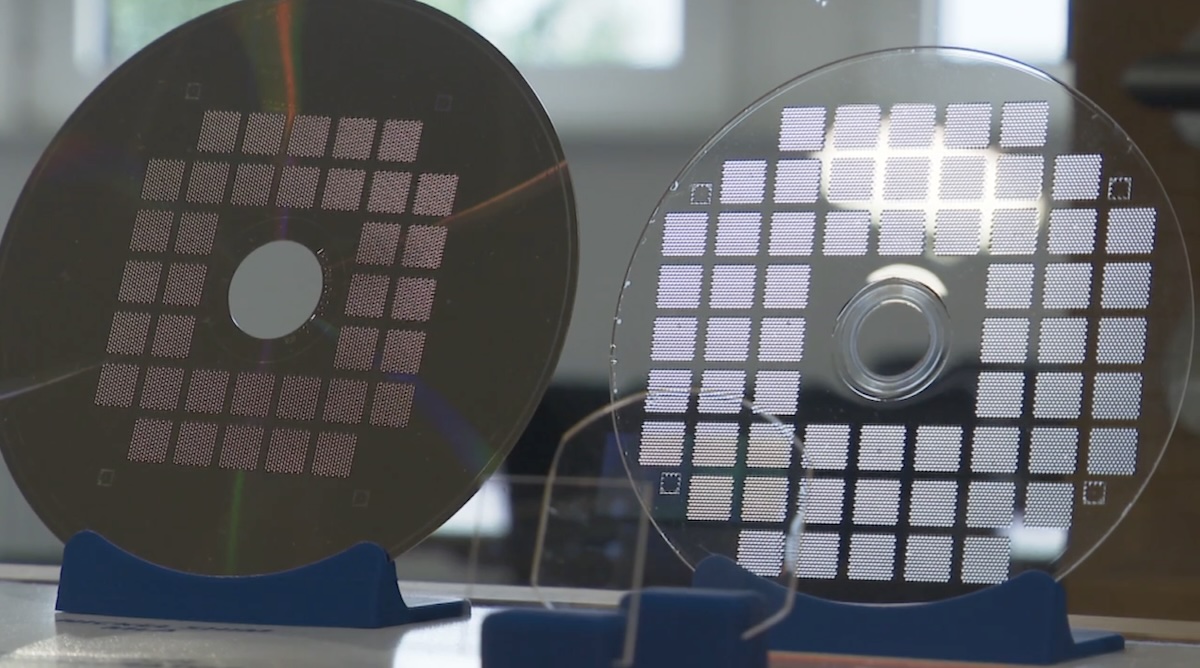
With an investment of €30 million, full-scale serial production is slated for 2027. The potential applications for microlenses are vast: from light-flow management systems in automotive optics to sophisticated VR/AR headsets, where compactness and focal precision are paramount.
The scale of the legacy being left behind is staggering: throughout its history, Sony DADC has produced over 26.4 billion discs. The vast majority—approximately 23 billion units—were manufactured at the Indiana plant between 1983 and 2022. It was an entire era defined by the physical ownership of content.
This departure from physical media is accompanied by further structural shifts. Sony has confirmed the imminent closure of PlayStation Store services for legacy platforms, namely the PlayStation 3 and PlayStation Vita, effectively closing the loop on the digital transition. This movement mirrors a global trend: data is becoming ephemeral, while physical objects are relegated to mere delivery mechanisms or high-tech components of the devices that render that data.
 The Price of Acceleration: CXMT’s Rapid Push into Memory