Today's smartphone users are besieged by a relentless barrage of unsolicited calls and messages, transforming a tool designed for productivity into a primary source of digital stress. In an era dominated by closed, proprietary ecosystems, the demand for transparent and user-controlled filtering mechanisms has become critical. Open-source solutions provide the requisite layer of trust, enabling independent audits of how personal data is processed. The SpamBlocker project emerges as a sophisticated response to the pervasive issue of digital noise within the Android ecosystem.
Built on a foundation of Kotlin and Java, SpamBlocker is a testament to the principles of openness and architectural flexibility. Distributed under the MIT license, the project targets Android 10 and above, leveraging modern system APIs to efficiently intercept unwanted traffic. A defining characteristic of the solution is its non-invasive nature; by functioning as a caller ID service, it eliminates the need for users to replace their default dialer or SMS client, thereby preserving a seamless, native user experience.
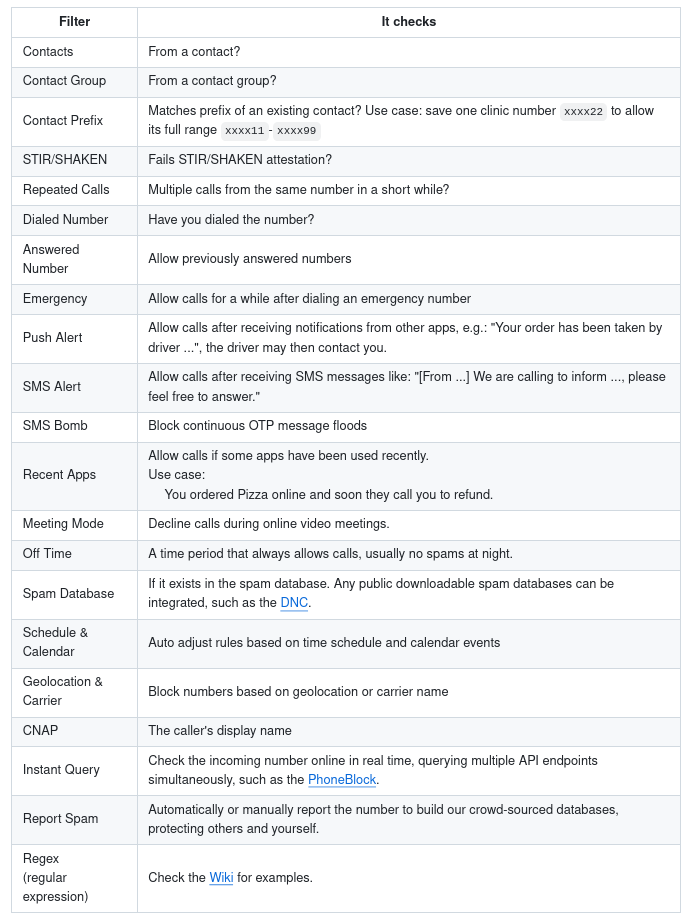
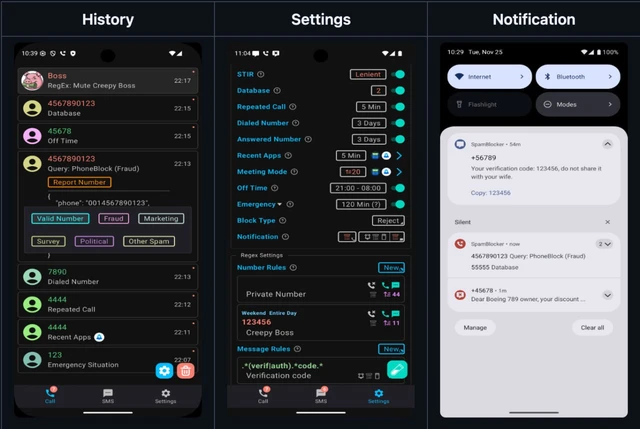
SpamBlocker’s call-filtering engine is powered by multi-factor analysis. Rather than relying solely on static blacklists, the system evaluates a constellation of suspicious parameters, including geographic origin, carrier data, and outgoing call frequency. Particular emphasis has been placed on segmentation precision, with algorithms capable of distinguishing between automated spam campaigns and legitimate communications from couriers or delivery services.
The tool's technical arsenal includes prefix verification, contact group analysis, and support for the STIR/SHAKEN protocol—the industry standard for caller authentication designed to combat caller ID spoofing. Furthermore, users maintain granular control over the system through the creation of custom rules, enabling the blocking of calls based on specific keywords or complex digital number masks.
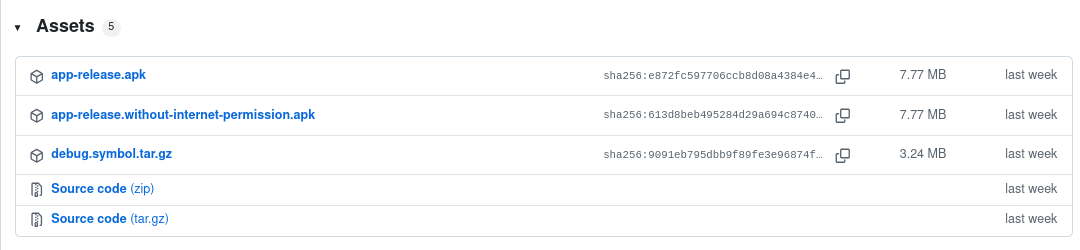
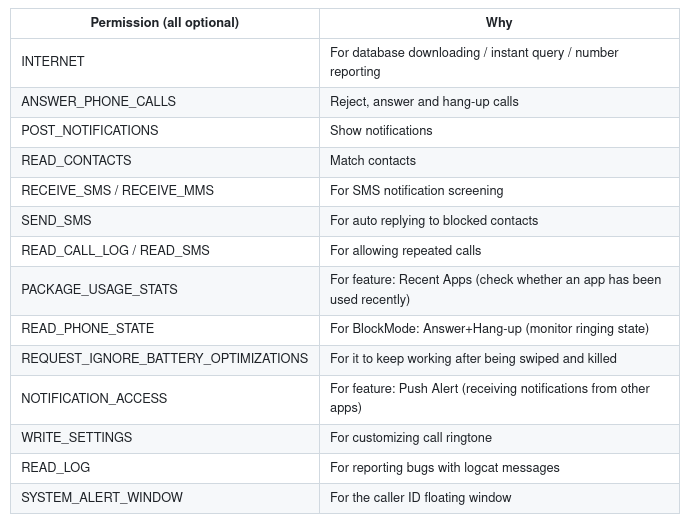
From a system resource and security perspective, SpamBlocker requests 14 permissions. Crucially, these remain optional, empowering the user to define the boundaries of the application's access to device data.
SMS management is implemented through two fundamentally different modes, allowing the tool to be tailored to specific SMS clients. In Standalone mode, the application assumes full control over notifications, effectively serving as the primary filter. Alternatively, the Screening Provider mode offers a more flexible integration, where the SMS client queries SpamBlocker in real-time. While this method provides superior support for modern RCS and MMS protocols, its efficacy is directly contingent upon how accurately the third-party client implements the corresponding messaging protocols.
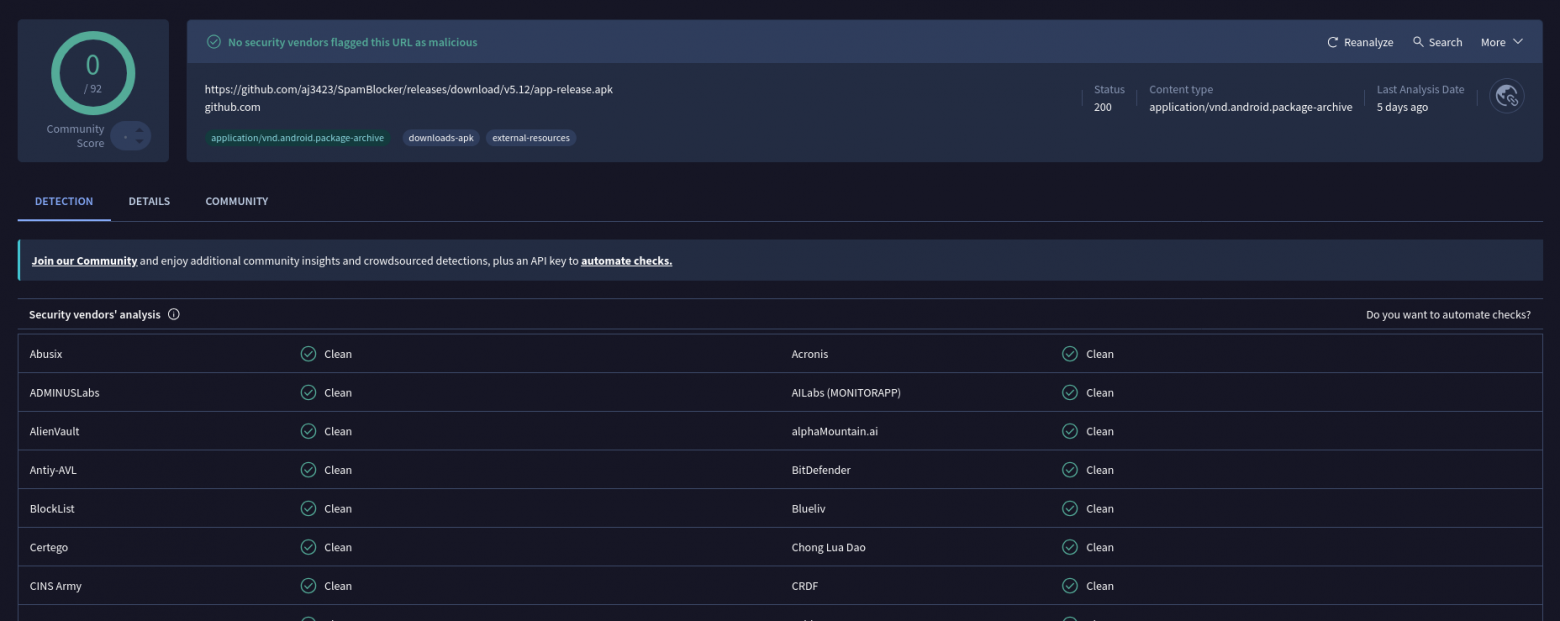
Privacy is addressed through a strict decoupling of functionality. All offline operations are executed locally, ensuring no data collection occurs. When online features are activated, the system limits itself to a minimal set of metadata: IP address, TLS and TCP fingerprints, and the phone number itself. This approach minimizes the risk of personal data leaks, while the integrity of the codebase is validated through regular VirusTotal scans, positioning SpamBlocker as a robust tool for those who prioritize digital hygiene and privacy.
 Garmin Fenix 9: Setting a New Standard for Sports Watches