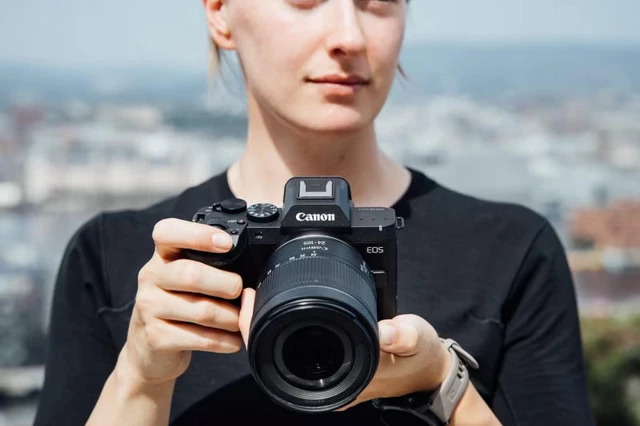
Modern photography is defined by a pursuit of the perfect equilibrium—the intersection of uncompromising full-frame performance and total mobility. For years, compact systems have been forced into a compromise, sacrificing in-body image stabilization to shave off weight, creating a significant hurdle for those accustomed to shooting handheld. The new Canon EOS R8 Mark II aims to bridge this divide, fusing cutting-edge technology with a timeless approach to aesthetics and ergonomics. This is more than a mere iterative update; it is a fundamental reimagining of how to deliver a powerful yet accessible full-frame tool.
The arrival of the EOS R8 Mark II is a direct response to the primary critique of its predecessor. While the original R8, launched in 2023, provided an accessible gateway into the world of full-frame sensors, its Achilles' heel remained the absence of in-body image stabilization. In the new generation, this deficiency has been rectified: the integration of a five-axis stabilization system allows for compensation of up to 7.5 stops of exposure. When paired with stabilized optics, this performance increases further, effectively liberating the photographer from the necessity of a tripod, even when working with long exposures.
The camera's technical bedrock relies on a proven 24.2-megapixel full-frame sensor. However, its true potential is revealed in its performance dynamics: a fully electronic shutter enables an impressive burst shooting speed of up to 40 frames per second. Particularly noteworthy is the pre-shooting mode, which allows the camera to capture up to 20 frames before the shutter button is fully depressed. This is a critical feature for reportage and sports photography, where the decisive moment often occurs faster than human reaction time.
The intelligence layer of the system is powered by an updated Dual Pixel CMOS AF II autofocus algorithm. The system has become noticeably more tenacious, ensuring more precise and confident subject tracking. AI now effectively recognizes humans, animals, and vehicles, while the ability to register up to ten specific faces with assigned priorities transforms the camera into a personalized tool that "knows" its subjects.
The device's video capabilities have also seen a significant leap forward. The camera is capable of recording 4K video at 60 fps, while slow-motion enthusiasts are provided with a 1080p mode at up to 180 fps. The creative arsenal has been expanded with 16 color filters and an automated depth-of-field management function that handles the selection of aperture and shutter speed. Additionally, a creative bracketing mode has been implemented, allowing the user to capture a series of shots with variations in brightness and hue with a single press.
The aesthetic direction of the EOS R8 Mark II follows the current trend of retro-futurism. Designers drew inspiration from the EOS 650, released nearly forty years ago, giving the body a characteristic angularity and a classic silhouette. However, aesthetics have not come at the expense of functionality: a multi-controller joystick has been added to the top panel for rapid focus point selection, and the microSD card slot has been moved to the side panel. This design choice allows for media swaps without removing the camera from a tripod. For those working with heavy optics, an optional grip extension is available to improve handling and ergonomics.
Completing the product ecosystem is the Dual Pixel 3D Converter software for Windows. This application leverages autofocus system data to transform standard two-dimensional photographs into full-fledged three-dimensional objects. The technology enables the creation of images with dynamic backgrounds, the generation of 3D models, and the production of short videos with shifting perspectives, opening new horizons for content creators.
In terms of market positioning, the Canon EOS R8 Mark II occupies a strategic sweet spot. Weighing only 545 grams, it remains significantly lighter than the higher-tier R6 Mark III while offering a comparable level of technological sophistication. With pricing starting at $1,899 for the body, it stands as an accessible yet professional tool for those who prioritize portability and functionality.
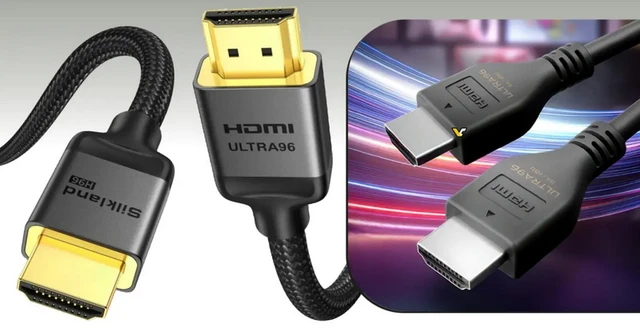 HDMI 2.2: The New Standard for Data Transmission