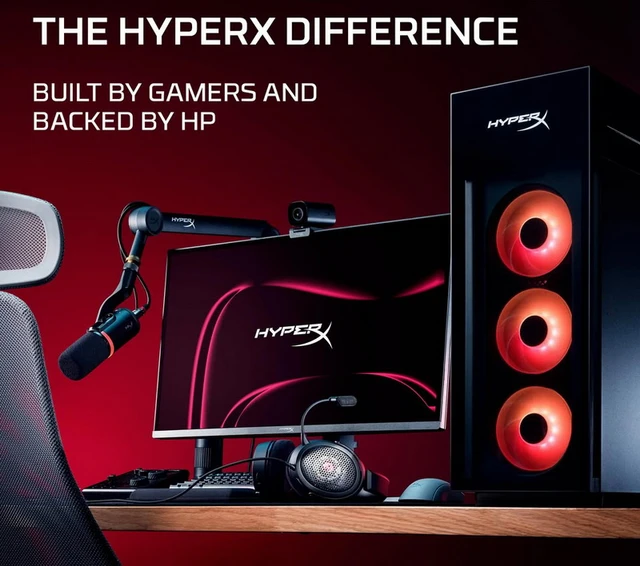
Modern esports imposes rigorous demands on hardware, where a single gram of weight or a millisecond of latency can define the margin between victory and defeat. The peripherals industry is currently pivoting toward extreme weight reduction and heightened sensor precision. HyperX is answering this call with a refreshed suite of devices engineered specifically for the professional tier, prioritizing uncompromising ergonomics, acoustic transparency, and ultra-high-speed data transmission.
In the audio category, the company is pivoting toward an open-back architecture with the release of the Cloud Alpha Air. Unlike closed-back models, open-back headsets provide a more natural and expansive soundstage, which is critical for precise spatial positioning of opponents. Structural integrity is ensured via metal-reinforced headbands and adjusters, allowing the device to withstand rigorous, high-intensity use. Under the hood, 40mm dynamic drivers with neodymium magnets, paired with a USB interface, deliver 16- and 24-bit audio, significantly expanding the dynamic range and signal detail.
Communication is a primary focus: a unidirectional electret condenser microphone effectively filters out ambient noise, isolating the user's voice. The solution is priced at $149.99.
Turning to input peripherals, the Pulsefire Haste 3 Pro stands out—a mouse that embodies the current industry trend toward "vanishing" weight. The integration of carbon fiber has slashed the chassis weight to an impressive 47 grams, radically reducing inertia during rapid cursor movements. The technical core features an optical sensor with a resolution of up to 42,000 DPI, supporting 800 IPS and 70G acceleration. For precision tuning, five sensitivity presets allow the device to be adapted to various gaming genres.
The mouse's technical prowess is further enhanced by opto-mechanical switches, which blend the tactile feedback of mechanicals with the durability and speed of opticals. A polling rate of up to 8,000 Hz reduces input lag to an absolute minimum. Connectivity flexibility is achieved through three channels: classic USB, Bluetooth, and a 2.4 GHz wireless link. At maximum polling, battery life reaches up to 35 hours—a commendable feat for such a lightweight chassis. The model is positioned at $129.99.
Rounding out the trio is the SoloCast 2 Pro, a USB condenser microphone tailored for streamers and content creators. At its heart are dual 14mm condenser capsules, ensuring clear and full-bodied voice capture. An integrated pop filter addresses plosives at the hardware level, eliminating the need for external accessories.
Control ergonomics are augmented by a touch-sensitive mute sensor and a subtle RGB aesthetic. A 3.5mm audio output enables real-time, zero-latency monitoring. The microphone is priced at $89.99. Collectively, these releases demonstrate the brand's ambition to build an ecosystem where technical specifications don't just meet industry standards—they define the trajectory of professional gaming hardware.
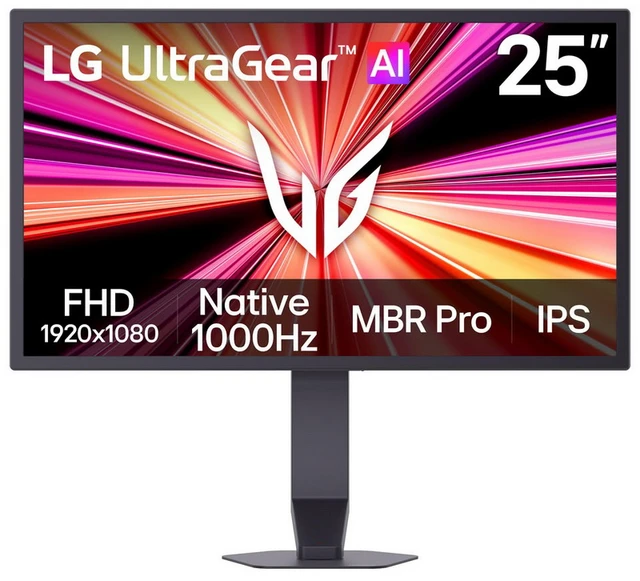 The Speed Frontier: LG UltraGear 25G590B