While the release cycle for flagship devices has become increasingly predictable, each new generation continues to reveal the manufacturer's long-term strategic ambitions. Google is gearing up to debut its latest Pixel lineup—a move poised to mark a pivotal milestone in the seamless integration of hardware and software. The spotlight will fall not only on potential shifts in form factor but also on a fundamental reassessment of base memory specifications. This launch is set to define the trajectory for Android devices over the coming year.
The upcoming Made by Google event, scheduled for August 12 in New York City, marks the next evolution of the company’s strategy within the premium smartphone market. This year, the announcement schedule has shifted a week earlier than usual—a move likely intended to seize the narrative before its primary competitors take the stage. The centerpiece of the event will be the Pixel 11 series, comprising the base model, the Pro, the expanded Pro XL, and the innovative Pro Fold.
While the design language of the new devices maintains continuity with previous generations, the devil is in the details. The Pro and Pro Fold models are expected to be noticeably slimmer, a critical improvement for foldable ergonomics. Perhaps the most intriguing innovation is the introduction of "Pixel Glow"—a notification and status indication system integrated directly into the rear panel. This transition turns a functional element into an aesthetic statement, reinforcing the lineup's premium positioning.
A significant shift in memory specifications also warrants attention. Google is likely abandoning the 128GB base capacity, which served as the standard for the Pixel 10 and 10 Pro. The move to a 256GB minimum across all models is driven not only by market trends but by the escalating demands of on-device AI models. Modern artificial intelligence features require substantial resources for caching and local data processing, making expanded storage a technical imperative.
The pricing structure has also seen adjustments. The Pixel 11 and Pixel 11 Pro will now start at €999 and €1,199, respectively. A €100 price hike for the entry-level Pro XL and Pro Fold reflects the broader trend of rising component costs and the transition to higher-capacity storage.
Alongside the smartphones, the company will unveil the Pixel Watch 5. While the exterior remains conservative, a fundamental architectural shift is expected under the hood. Google is anticipated to replace Qualcomm Snapdragon chips with its own Tensor processors. This transition will enable tighter synergy between the wearable and the smartphone, optimize power consumption, and grant Google greater control over the hardware development chain, minimizing reliance on third-party vendors.

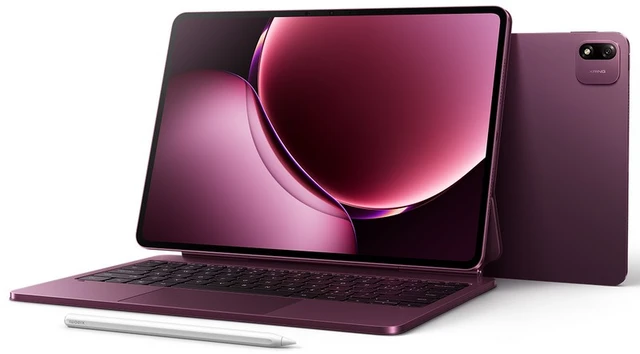 Power and Poise: The Xiaomi Pad 9 Pro Max