In an age of information overload, curating a personal library is no longer merely about storage—it is about strategic knowledge management. Contemporary reading tools are evolving beyond simple viewers into comprehensive intelligent ecosystems capable of real-time content analysis. For over a decade, Calibre has stood as the gold standard for open-source e-book management, seamlessly integrating conversion, cataloging, and reading capabilities into a single powerhouse. With the launch of version 9.11, the project marks another significant leap toward deep AI integration and a refined, optimized user experience.
The modern digital archive demands versatility and agility—a philosophy that lies at the heart of Calibre. Developed over more than a decade, this multi-platform tool represents a sophisticated synthesis of Python and C, distributed under the open GNU GPL v3.0 license. The software ensures seamless interoperability across Windows, macOS, and Linux, effectively establishing itself as the universal standard for those who prioritize data sovereignty and independence from proprietary ecosystems.
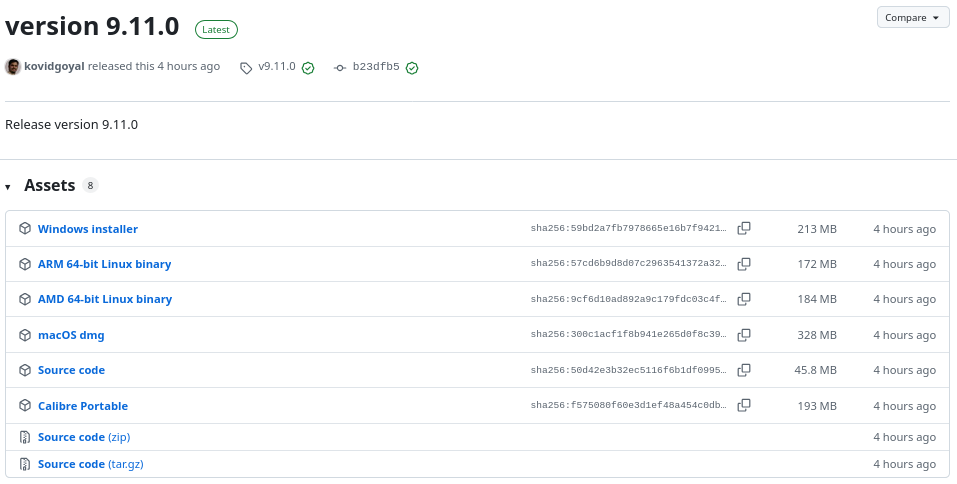
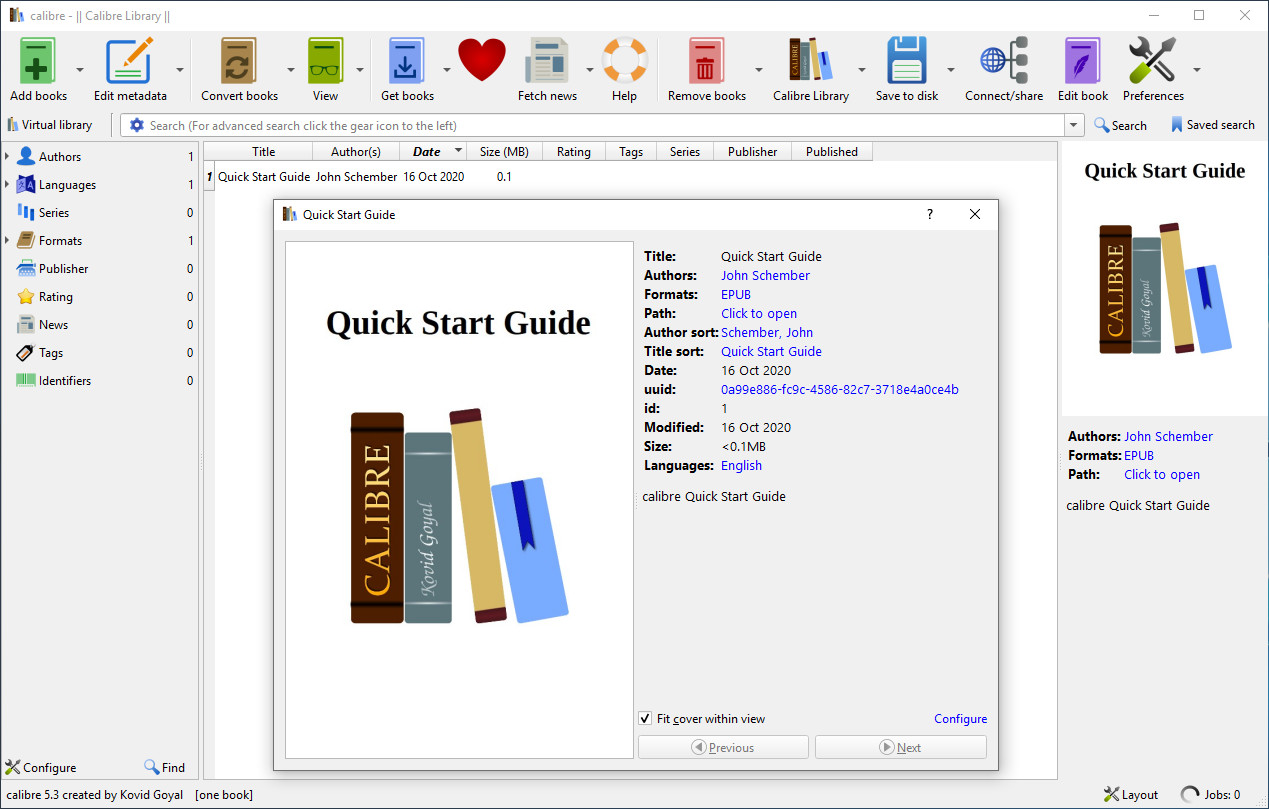
The system's capabilities extend well beyond simple e-reading. Calibre functions as a comprehensive content management suite: it can convert files between all major formats, edit metadata, and synchronize libraries with physical reading devices. Furthermore, the system is integrated with external web resources, allowing for the automated retrieval of bibliographic data or the transformation of current newspaper editions into streamlined electronic formats.
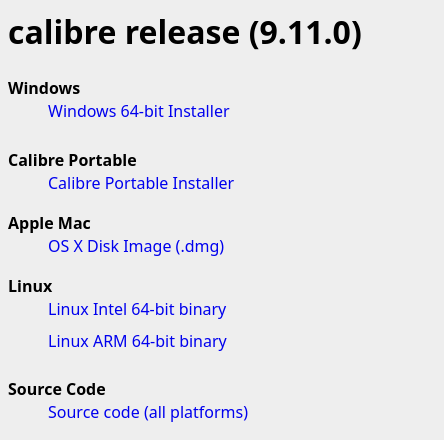
A pivotal evolutionary shift in recent versions has been the integration of generative artificial intelligence. The introduction of a dedicated "Ask AI" tab transforms the reading experience from passive consumption into an active dialogue with the text. Users can highlight a passage and instantaneously receive analysis, clarification, or translation by leveraging hundreds of models via APIs from Google, OpenRouter, and GitHub. For those prioritizing privacy, support for local models via Ollama ensures that data can be processed without ever leaving the local machine. Notably, the architectural implementation is designed for efficiency: AI components are not loaded into the system until the user manually configures a service provider.
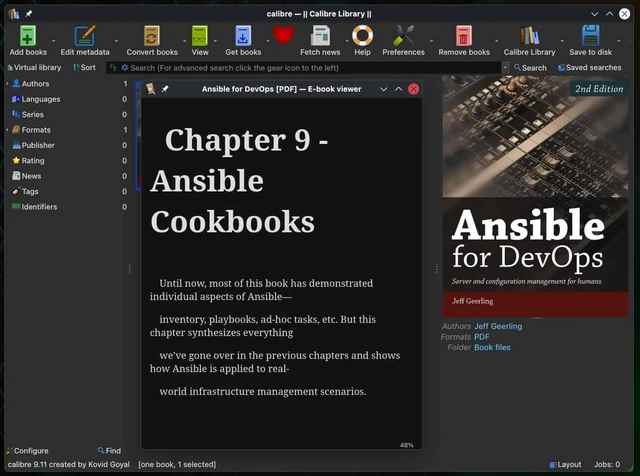
Version 9.11 prioritizes UI refinement and the expansion of annotation capabilities. A key innovation is the ability to export annotations in HTML format. Users can now extract their book analysis as a standalone web page that supports both light and dark themes, as well as full-text search and filtering by highlighting styles. This evolves fragmented notes into a structured scholarly repository accessible via any browser.
Concurrent efforts have been dedicated to hardening system stability. The developers have resolved several technical regressions regarding the responsiveness of text fields during window resizing and the correct execution of Python templates within information panels. Additionally, a critical bug that prevented the application of default values for custom columns when adding new entries to the library has been rectified.
The update concludes with a refresh of its news feed integrations. Updated data retrieval mechanisms for resources such as Scientific American and Phoronix ensure that users remain at the cutting edge of scientific and technological advancements, integrating fresh analytics directly into their digital libraries.
 Anthropic’s Strategic Push for Hardware Independence