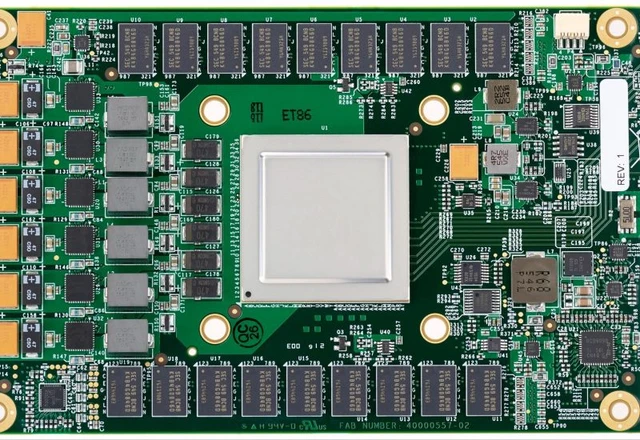
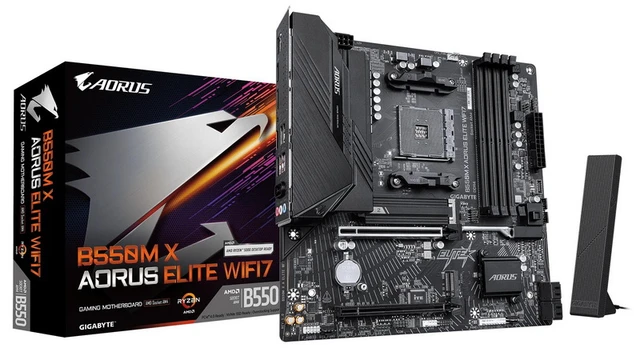
For years, modern computing systems have been shackled by proprietary software buried deep within BIOS and UEFI. The pursuit of transparency and total hardware sovereignty gave rise to Coreboot—a project dedicated to replacing closed-source solutions with open-source code. The release of version 26.06 marks another pivotal milestone in expanding compatibility and hardening the security of low-level firmware. This update demonstrates that an open approach is becoming increasingly viable, even for the most advanced and complex semiconductor architectures.
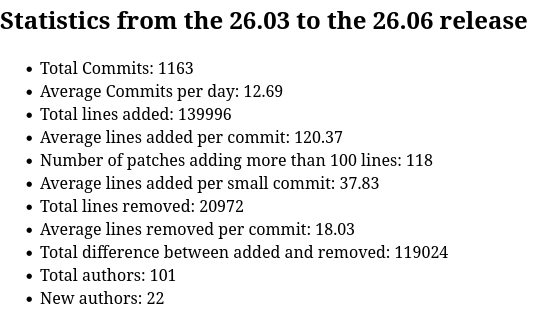
The Coreboot project continues its steady march toward bridging the gap between proprietary corporate standards and the principles of open-source software. The latest release, version 26.06—debuting in late June 2026—is the culmination of a massive collaborative effort involving 110 developers who contributed over 680 changes to the C codebase. This is far more than a mere iterative update; it represents a significant expansion of an ecosystem that now encompasses an even broader spectrum of hardware platforms.
A primary focus of this version is support for cutting-edge hardware. The compatibility list has grown by 31 motherboards, including solutions from AMD (specifically the Crater, Jaguar, and Maple lines) as well as popular vendors like ASUS and ASRock. Notably, there is strengthened support for devices engineered with openness at their core, such as Framework laptops and System76 systems, underscoring a growing industry trend toward modular and transparent computing.
The technological leap is most evident in the handling of the latest Intel SoCs. Coreboot 26.06 introduces initial support for Nova Lake (NVL), implementing critical boot stages—including bootblock, romstage, and ramstage—and integrating FSP-M and FSP-S firmware support packages. While DDR5 support remains outside the scope of this current release, the implementation of ACPI tables and GPIO definitions paves the way for full system functionality. Simultaneously, basic support for Panther Lake (PTL) has been added, featuring UFS inline encryption to significantly bolster data security at the hardware level.
The project's expansion beyond the x86 architecture continues within the ARM segment. The addition of support for the Qualcomm Calypso SoC and corresponding Google boards (Calypso, Mensa, C1nv) elevates Coreboot to a new tier. This milestone includes integration with ARM Trusted Firmware, initialization of the QUPv3 timer, and the implementation of SPMI drivers, making open-source firmware viable for an entire class of mobile and server devices.
Security and resilience have become central themes for AMD platforms in this update. The introduction of the ROM Armor mechanism effectively counters unauthorized modifications to the system SPI Flash, creating a robust barrier against low-level attacks. Complementing this is the A/B Recovery system—a critical safety net for the user. In the event of a catastrophic update failure or an integrity verification error, the system can automatically roll back to a backup firmware copy on a second Flash chip, virtually eliminating the risk of "bricking" the device.
For users of Qualcomm-based devices (specifically Google Bluey and Calypso), power management capabilities have been significantly expanded. The release introduces intelligent charging algorithms with seamless mode transitions, enhanced temperature monitoring, and optimized power delivery to NVMe drives, directly improving energy efficiency and battery longevity.
Even time-tested platforms like Intel Haswell and Broadwell have not been overlooked. Support code for these families has been unified, enabling a common graphics initialization system. For enthusiasts, the most valuable additions are a new driver for manual undervolting and the ability to override PL1/PL2 power limits, allowing for precise tuning of the processor's thermal envelope.
Beneath the surface of these functional updates lies a deep technical overhaul. The Intel FSP 2.0 driver now utilizes Zstd compression to optimize memory usage. Furthermore, the entire project is gradually migrating toward the C23 standard, and the toolchain has been updated to current versions: GCC 15.2.0, NASM 3.01, and ACPICA 20251212. As a final touch, support for multiple logo resolutions has been added, ensuring correct visual rendering during boot across all display types.
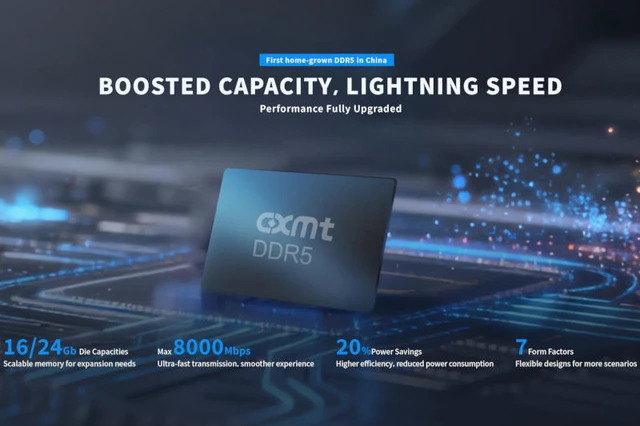 The Price of Acceleration: CXMT’s Rapid Push into Memory