The era of basic chatbots is swiftly drawing to a close, yielding to the rise of fully autonomous agents. In a strategic pivot, OpenAI is integrating the experimental capabilities of the Atlas browser into the new ChatGPT Work mode. This transition signals a fundamental paradigm shift—moving beyond mere text generation toward the direct orchestration of digital environments and the execution of complex, multi-step workflows. Artificial intelligence is evolving from a passive advisor into an active operator.
The AI industry is pivoting from the era of the "intelligent conversationalist" to that of the "digital employee." The sunsetting of Project Atlas—a specialized AI-driven browser—should not be viewed as a failure. Rather, it signals that autonomous web interaction technologies have reached maturity and are ready for prime-time integration. The full functionality of Atlas has now been absorbed into the new ChatGPT Work ecosystem, transforming the familiar chat interface into a powerful command center for operating systems and external services.
At the heart of this transformation lies the concept of "Computer Use." AI is no longer merely analyzing web content; it is fully interacting with it—simulating clicks, populating forms, and extracting data in real-time. These capabilities have migrated from Atlas into the ChatGPT desktop application and an updated browser extension, effectively blurring the line between the browser and the operating system.
ChatGPT Work elevates AI interaction to the level of multi-step orchestration. Instead of executing single commands in isolation, the agent can independently decompose complex business objectives into a sequence of sub-tasks. For instance, preparing a quarterly report can now be a seamless, autonomous cycle: gathering data from a CRM, analyzing budgets in spreadsheets, and finalizing the presentation layout—all without the need for constant human oversight.
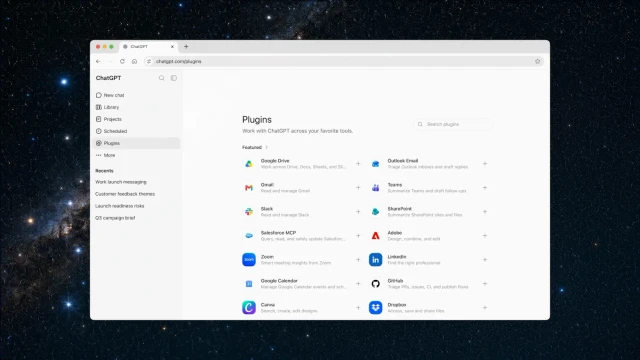
The system's integration layer has grown significantly deeper. Through plugin support and the ability to invoke tools via the @ symbol, the agent gains direct access to corporate environments such as Google Drive, SharePoint, Slack, Teams, and Salesforce. This positions ChatGPT as a unified entry point for all professional workflows. Furthermore, the introduction of background task execution and scheduling allows for the automation of routine chores: the AI can update reports based on email triggers or curate daily briefings while the user is offline.
Particularly noteworthy is the "Sites" beta feature, which enables the agent to not only process data but visualize it by creating interactive web pages and dashboards accessible via direct links.
The technological bedrock of these advancements is the GPT-5.6 model. Unlike its predecessors, this version has been specifically optimized for logical planning and strict adherence to defined templates—a critical requirement for autonomous agents, where a single error in a sequence of actions could compromise the entire process.
Simultaneously, OpenAI is finalizing the consolidation of its developer toolset. Codex, which previously existed as a standalone agent, is now fully integrated into the ChatGPT desktop client. Developers now have seamless access to diff editing, pull-request reviews, and simultaneous multi-repository management. Meanwhile, the legacy version of the application has been rebranded as ChatGPT Classic and moved into maintenance mode, with no further updates planned.
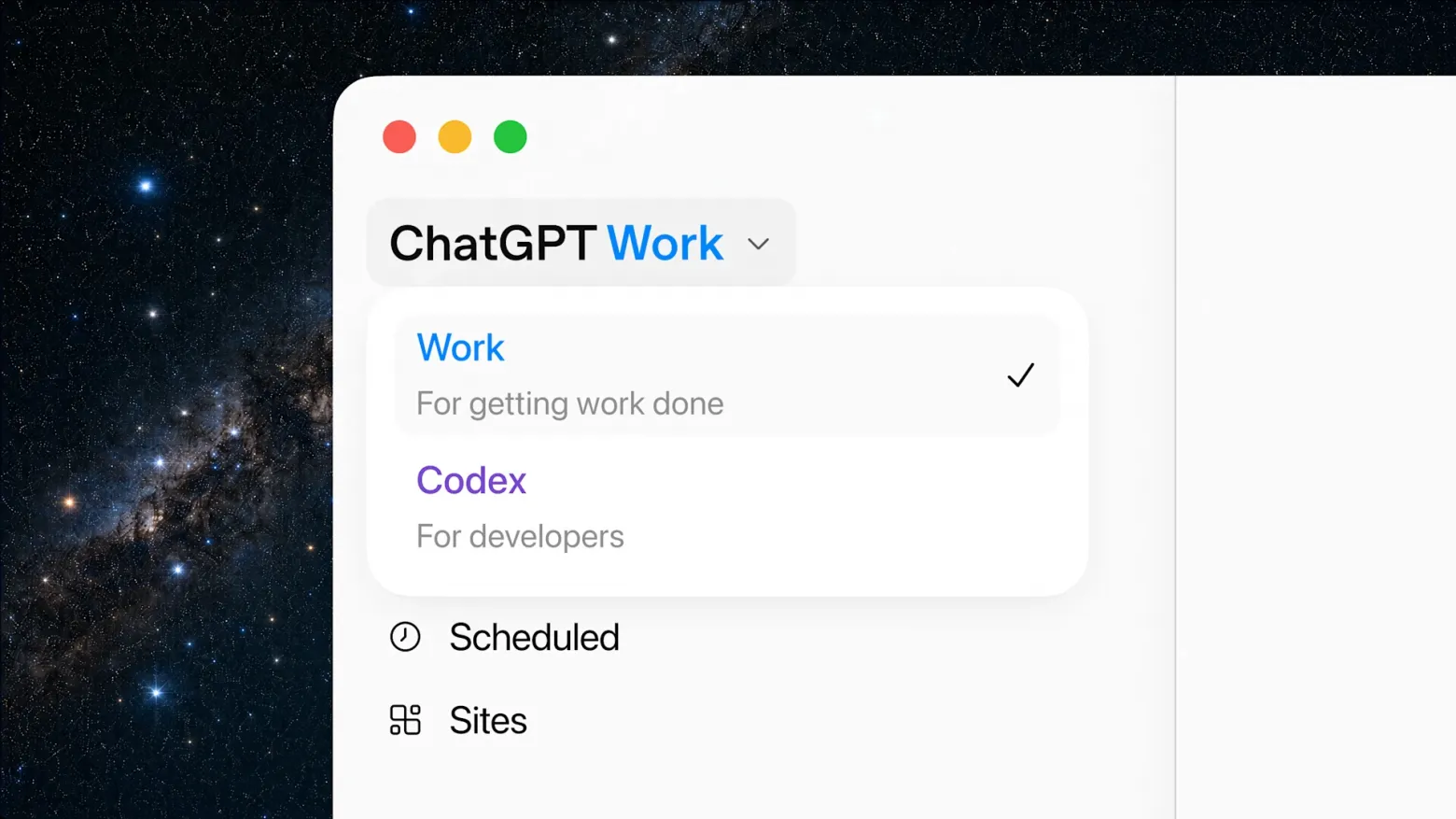
The closure of Atlas and the launch of ChatGPT Work underscore a clear strategic pivot by OpenAI: moving away from niche experimental products in favor of a single, universal "super-tool." The transition from content generation to actionable execution within digital environments represents the company's most ambitious leap to date. However, this level of autonomy inevitably raises critical questions regarding data security and the reliability of automated verification in mission-critical business scenarios.
 iPhone 17: Dominating the Global Market