The modern software market is grappling with a precarious shift where the line between inspiration and plagiarism has become almost imperceptible. The clash between Papermark and the meteoric rise of Corgi has laid bare the profound complexities of intellectual property in the age of generative AI. What began as a dispute over stolen code is evolving into a broader debate on the legitimacy of cloning user experiences and functional design patterns. This case serves as a cautionary tale, illustrating how a cutthroat corporate ethos and the relentless pursuit of valuation can drive ethical compromises in product development.
At the heart of the controversy lies the Virtual Data Room (VDR) sector—specialized services designed for the secure exchange of confidential documentation. These platforms are mission-critical tools for startups and venture capital firms, providing a hardened environment for due diligence, pitch deck transfers, and financial analysis prior to deal closure. It is within this specific niche that Papermark identified a disturbing similarity between its own product and Corgi’s new Dataroom solution.
Papermark’s allegations stem from a meticulous audit of both the user interface and the accompanying copy. Co-founder Mark Seitz presented evidence suggesting that Corgi employed virtually identical phrasing to describe key product features. In software development, such textual mirroring often serves as circumstantial evidence that not only the visual aesthetic but the underlying logic of the service has been appropriated.
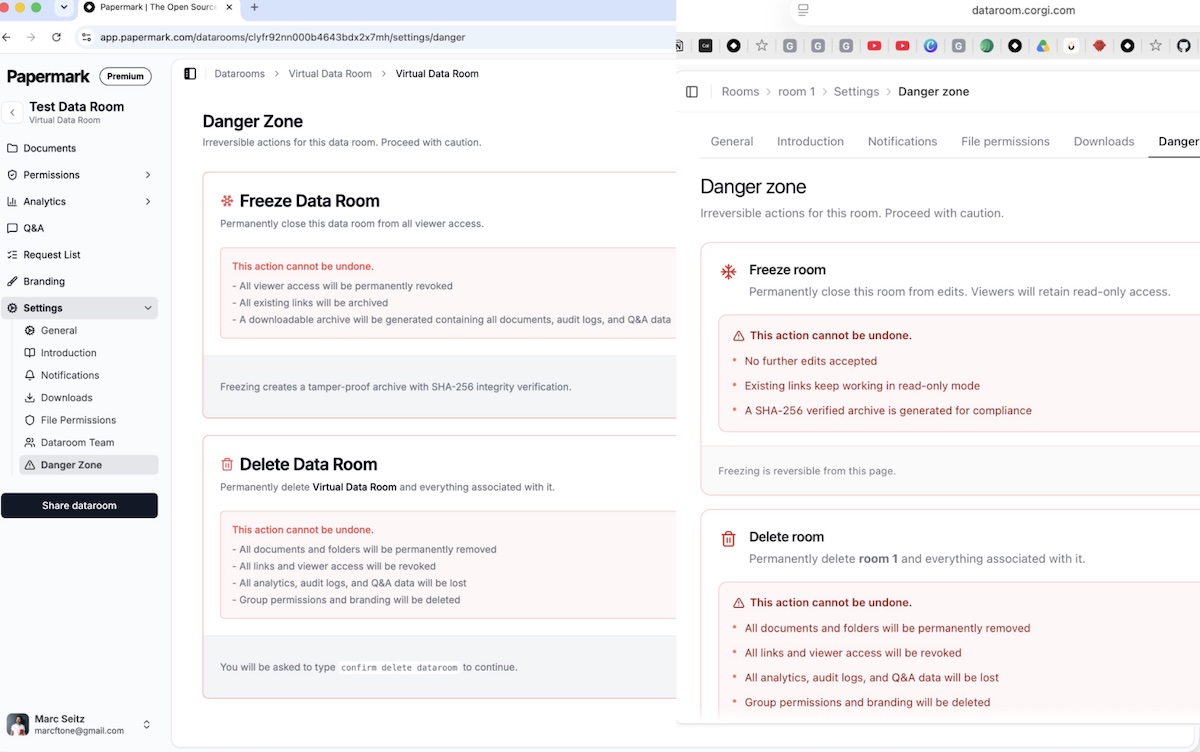
Corgi’s response was as rapid as it was contradictory. CEO Nico Lacua initially launched an internal investigation, only to pivot toward a categorical denial of any source code theft. The defense hinges on a conceptual distinction: copying the "style" or "vibe" of a product is not synonymous with the theft of proprietary software.
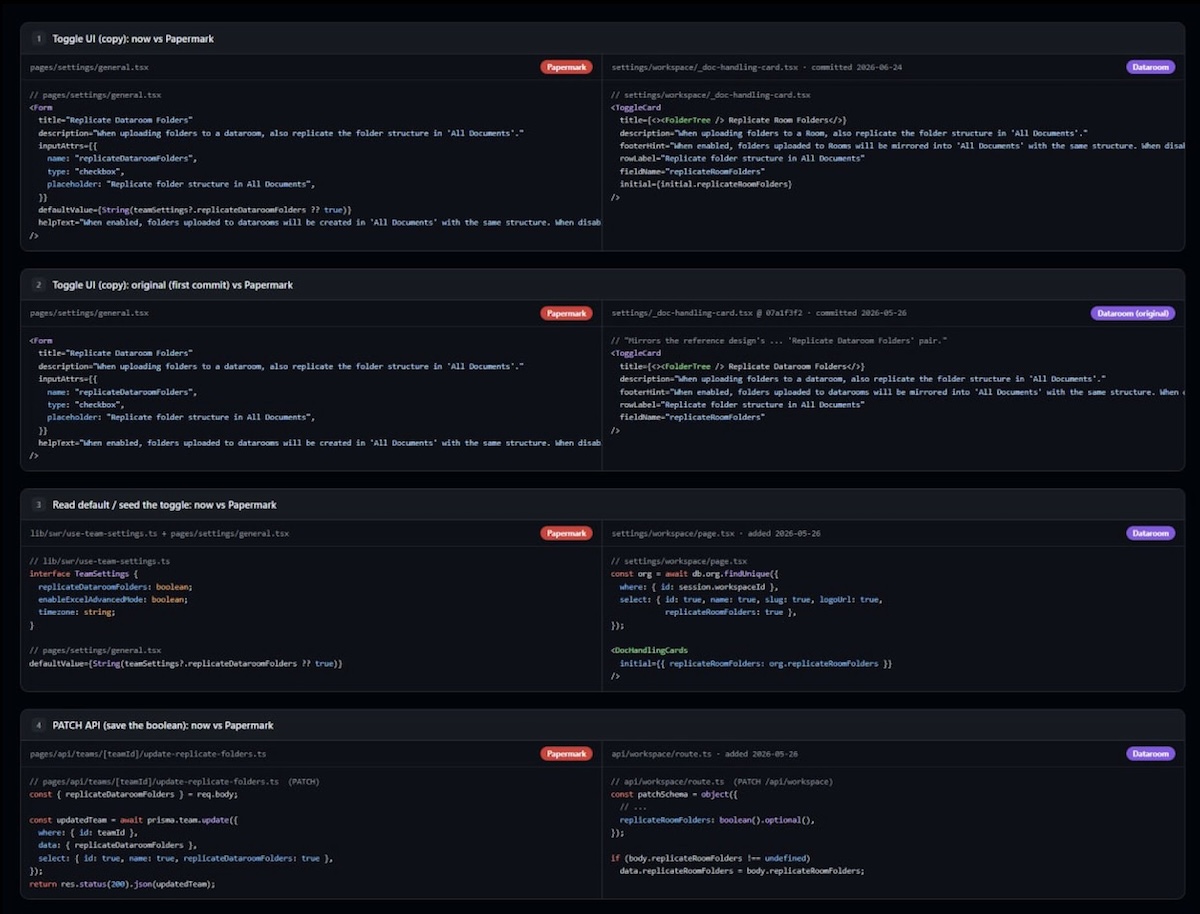
Particularly provocative is the admission from Corgi’s leadership regarding the use of so-called "vibe-coding." This modern approach involves developing features based on the analysis of existing successful products, often leveraging Large Language Models (LLMs) to synthesize functionality that closely mirrors the original. The result is a feature set that almost perfectly replicates the source, even if the code itself was written from scratch. Corgi representatives admitted that excessive borrowing led to redundant elements appearing in settings pages, which were subsequently and swiftly amended.
Yet, this incident cannot be viewed in a vacuum. Corgi—valued at $2.6 billion following a $106 million funding round in May—is pursuing an aggressively expansionist growth strategy. The company’s reputation is marred not only by plagiarism disputes but also by a draconian internal culture; Nico Lacua has publicly stated his expectation for employees to work seven days a week. Furthermore, the firm exhibits a high propensity for litigation, frequently filing lawsuits against former staff.
The clash between Papermark and Corgi underscores a systemic crisis of intellectual property in the age of AI. When development tools allow for the instantaneous replication of a competitor's user experience, traditional methods of IP protection become obsolete. The conflict has shifted from a legal dispute over lines of code to a broader debate on corporate ethics and fair competition within the high-tech services market.

 Anthropic’s Strategic Push for Hardware Independence