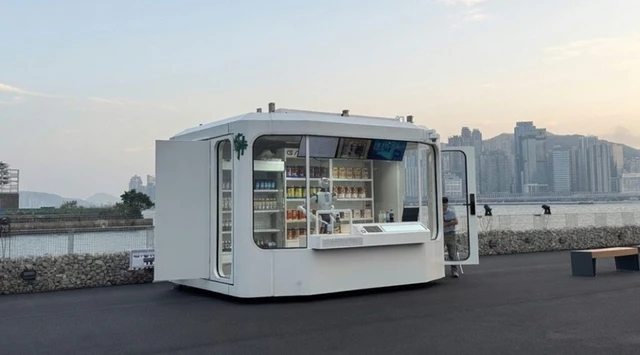
Modern retail is undergoing a fundamental transformation, evolving beyond basic self-service systems toward comprehensive robotic autonomy. The integration of humanoid machines into the urban landscape is shifting from the realm of science fiction to a pragmatic business imperative. Hong Kong is now debuting its first 24/7 convenience store where the primary staff member will be Xiao Gai, a humanoid android developed by Galbot. This pilot project aims to evaluate the efficacy of the synergy between artificial intelligence and advanced robotics within the high-pressure environment of real-world consumer traffic.
For years, the "staffless store" paradigm has been bifurcated between fully automated vending zones and the sophisticated computer vision ecosystems pioneered by projects like Amazon Go. However, a new venture in Hong Kong proposes a third way: the restoration of a physical storefront presence, reimagined through a high-tech android. Galbot’s Xiao Gai (model G1) is engineered to manage the entire operational lifecycle of a retail point, from inventory monitoring to the final hand-off of merchandise to the consumer.
The technical architecture of the G1 is dictated by the rigorous ergonomic demands of urban retail. Standing 168 cm tall with an arm span exceeding 180 cm, the machine can interact with objects at heights of up to 2.3 meters. This allows the robot to maximize the store's vertical real estate, independently restocking upper shelves and optimizing product placement. At the core of its functionality is a "stable and predictable grasping" system—a critical feature when handling fragile items or packaging of varying dimensions.
The android’s cognitive capabilities extend far beyond the execution of simple algorithms. Through the integration of advanced visual and auditory perception systems, Xiao Gai can identify targets, interpret customer intent, and engage in fluid vocal dialogue. Its capacity for real-time planning and analysis enables the robot to adapt to the dynamic environment of a retail space, autonomously prioritizing tasks and seamlessly processing orders at the point of sale. In its initial phase, the robot's functionality will focus on high-turnover product categories, specifically snacks and pharmaceuticals.
The choice of location—the Hung Hom waterfront, one of Hong Kong’s premier tourist hubs—underscores the project's strategic objectives. Here, the robot serves not only as an efficient employee but as a powerful catalyst for engagement. Galbot predicts that this "technological spectacle" could boost foot traffic by as much as 40%, transforming a routine shopping trip into an interactive experience.
In the long term, this project represents a large-scale effort to standardize robotic retail. The HKIC investment corporation, which backs the initiative, views the Hong Kong store as a pilot site. The roadmap includes expanding this model to ten of the world's largest megacities, potentially signaling the dawn of a new era in urban commerce—one where the physical interface between the product and the consumer is entirely automated.
 The Speed Limits of Modern Gaming Displays