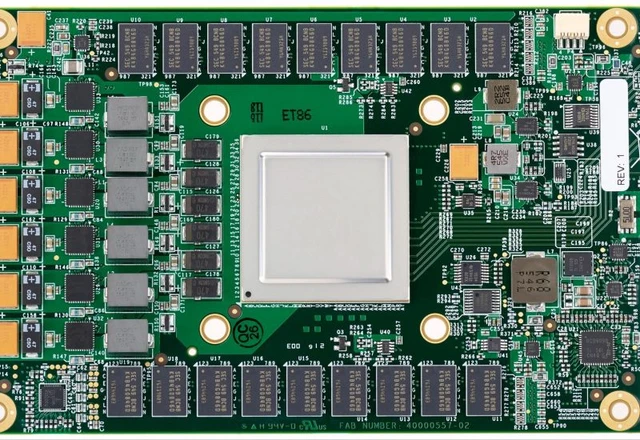
The meteoric rise in compute requirements for training neural networks has forced the industry to confront a critical dilemma: resource sustainability. Cooling hyperscale data centers is transitioning from a purely engineering challenge into an environmental crisis of global magnitude. Nvidia proposes a solution via closed-loop liquid cooling systems, claiming they can radically slash water consumption. However, beneath these tactical optimizations lies a fundamental systemic conflict between hardware efficiency and the tangible impact on the natural world.
The contemporary AI arms race has rendered traditional server cooling methods both economically and ecologically unsustainable. The transition from air to liquid cooling is not merely an evolutionary step in engineering, but a necessity dictated by the massive thermal output of next-generation GPUs. In this landscape, Nvidia introduces the Rubin platform—the first full-scale realization of a 100% liquid-cooled architecture.
The technical implementation relies on replacing fans with closed-loop systems. Each chip and networking component is equipped with cold plates through which a specialized coolant—a mixture of 75% water and 25% propylene glycol—circulates. The crux of this approach lies in the use of "warm" water: the fluid enters the system at approximately 45°C and exits at 55°C, absorbing heat directly from the processor surfaces. This method significantly reduces cooling energy costs by eliminating the need for power-hungry chillers required for deep-water cooling.
From a localized resource management perspective, the system appears flawless. Because the fluid operates in a closed cycle and is recirculated throughout the facility's lifespan, new water consumption within the data center is effectively neutralized. Under favorable climatic conditions, this allows for claims of a 100% reduction in water usage at the site level.
However, deeper analysis reveals a stark methodological disconnect in how the company measures its environmental footprint. Nvidia essentially draws a boundary at the data center's perimeter: internal operations are accounted for, while external factors are ignored. In reality, the "water footprint" of AI infrastructure extends far beyond the server racks.
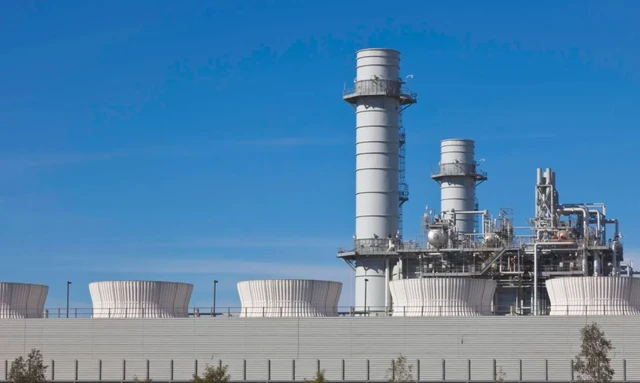
The primary strain on water resources occurs during two critical stages: semiconductor fabrication and power generation. Chip fabs require colossal volumes of ultrapure water for wafer rinsing, while the thermal power plants fueling data centers rely on water to cool their turbines. When these indirect costs are factored in, actual resource consumption may be two or three times higher than the company suggests.
Consequently, while Nvidia's innovations in liquid cooling effectively solve the problem of internal water usage, they address only a fraction of the total resources consumed by AI systems. The technological breakthrough of the Rubin platform demonstrates engineering prowess, yet it also exposes a flaw in corporate reporting, where local optimization is often presented as a comprehensive solution to a global ecological crisis.
 The Price of Acceleration: CXMT’s Rapid Push into Memory