The global AI arms race has precipitated a paradoxical economic climate: the velocity of adoption is vastly outstripping our grasp of the technology's actual value. While enterprises are pivoting toward neural network solutions en masse, the industry has hit a fundamental wall regarding performance measurement. Businesses are now scrambling to establish viable ROI metrics amidst pervasive uncertainty and latent risks. This transition is exposing systemic fractures, ranging from corporate data breaches to an acute, critical reliance on proprietary vendor ecosystems.
The economic landscape of the current AI boom is exhibiting a peculiar divergence from classical market dynamics. In traditional technology cycles, the adoption of a new tool is accompanied by a clear understanding of profitability and a calculated return on investment (ROI). However, with generative AI, we are witnessing a scenario where enthusiasm is outpacing analytics: while nearly three-quarters of companies have already integrated neural networks into their business processes, exactly half cannot confidently confirm the financial viability of these expenditures.
The core of the problem lies in the absence of a unified evaluation methodology. Businesses have fallen into the trap of "technological FOMO" (fear of missing out), where AI integration has become a prerequisite for competitiveness, yet not necessarily a driver of tangible bottom-line growth. Corporations are currently engaged in an arduous search for performance metrics, struggling to determine exactly how model-generated data converts into revenue and within what timeframe the capital expenditures on software and personnel training should be recouped.
Parallel to these economic concerns, the issues of digital sovereignty and data security are intensifying. The mass adoption of public chatbots by employees has led to an unchecked flow of sensitive information into external systems. While AI providers operate within their own terms of service, such a data transfer model is becoming unacceptable for the corporate sector. This is forcing legal departments to renegotiate contracts with cloud infrastructure providers, aiming to minimize intellectual property leakage and ensure rigorous control over where and how corporate data is processed.
The situation is further complicated by the rapid consolidation of the AI services market. The emergence of an oligopoly centered around a few dominant vendors creates a dangerous dependency. When providers merge or alter their service terms, clients face the challenge of "vendor lock-in"—a rigid tethering to a specific ecosystem. Consequently, any structural realignment on the provider's side results in costly migrations and a painful adaptation of internal systems to a new external infrastructure.
The physical layer of technological development is also facing severe challenges. Building modern data centers requires colossal energy capacity and advanced network infrastructure, making expansion within major metropolitan areas prohibitively expensive or physically impossible due to land scarcity. Operators are forced to relocate capacities to remote regions, which inevitably leads to increased latency and a heightened dependence on the stability of local power grids.
Furthermore, the geopolitical climate and varying national data protection laws are compelling global corporations to develop networks of localized data centers. The requirement for data residency—keeping user data within national borders—transforms AI development from a purely technological task into a complex web of logistical, legal, and infrastructural solutions. Ultimately, the path toward full business automation lies not only in prompt optimization but in a profound reimagining of the entire architecture governing data management and physical assets.

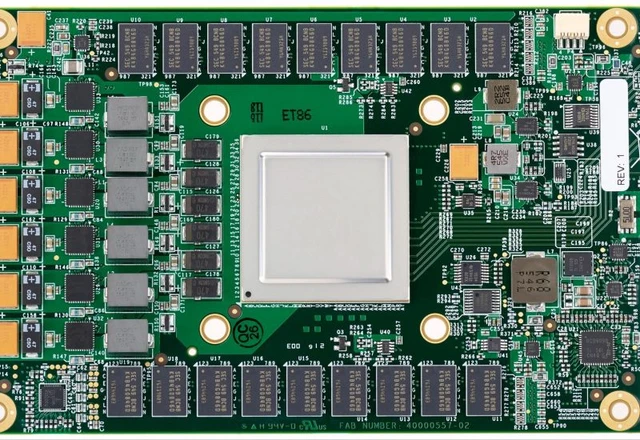 Anthropic’s Strategic Push for Hardware Independence