The foldable device market has matured to a point where even the slightest nuances in tactile feedback can spark global debate. The latest flashpoint is the Samsung Galaxy Z Fold8, with users reporting an unusual amount of "give" in the corners of the internal display. While consumers have flagged this as a potential manufacturing defect, Samsung frames it as a deliberate engineering choice. At the heart of the controversy lies a fundamental question: where does strategic technical optimization end and a decline in build quality begin?
The issue of "flexing" on the Galaxy Z Fold8's internal display has emerged as a systemic phenomenon: light pressure on the corners causes the surface to yield, creating a perceived lack of structural stability. To the average consumer, this appears to be a clear assembly defect. However, Samsung's stance, communicated to the Korean publication BusinessPost, is fundamentally different. According to the official narrative, this pliability is a deliberate design choice.
The engineering logic centers on the implementation of a mechanical cushioning system. By their very nature, foldable screens remain acutely vulnerable to point-pressure impacts and the ingress of foreign particles, such as grains of sand or fine debris. By introducing controlled play in the corners, Samsung aims to mitigate the risk of critical matrix damage during accidental pressure or impact. Essentially, the screen is designed to function as a sort of "spring" that absorbs external energy, preventing cracks or irreversible deformations.
In practice, however, this concept is hampered by manufacturing inconsistencies. Users report that devices of the same model exhibit divergent behavior: some units demonstrate absolute rigidity, while others show distinct flexing in one or more corners. Such variability in assembly tolerances undermines the manufacturer's argument, transforming a "design intent" into a symptom of unstable quality control.
Of particular concern is the potential impact of this characteristic on the device's sealing. There is a legitimate fear that excessive flexibility in the corners could compromise the integrity of the gaskets, inevitably degrading the level of water resistance. In the premium segment, where reliability is a baseline requirement, any doubt regarding sealing is viewed with extreme scrutiny by the market.
Ultimately, we are witnessing a classic disconnect between engineering pragmatism and consumer expectations. Even if Samsung's solution effectively protects the screen under real-world operating conditions, the psychological impact of a "soft" display outweighs the technical benefit. For the user of a premium gadget, a sense of solidity and rigidity is the primary indicator of quality; any deviation from this standard is perceived as a flaw, regardless of the stated goals of shock absorption.

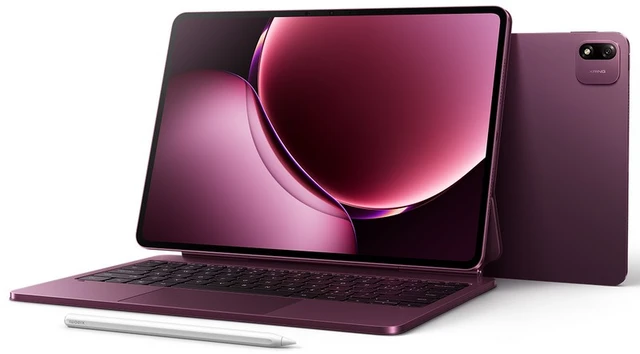 Power and Poise: The Xiaomi Pad 9 Pro Max