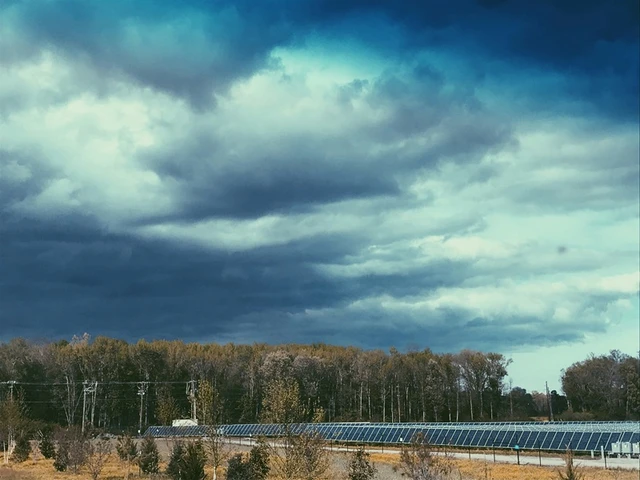
The global transition toward renewable energy is fundamentally constrained by the challenge of intermittency—the inherent instability of power generation dictated by the volatility of nature. China is addressing this systemic hurdle through the creation of integrated energy hubs that synergize generation, storage, and chemical conversion. A pioneering project in Jiangsu Province stands as one of the most sophisticated engineering feats of its kind in the world, marking a strategic pivot from mere electricity production toward the comprehensive orchestration of energy flows.
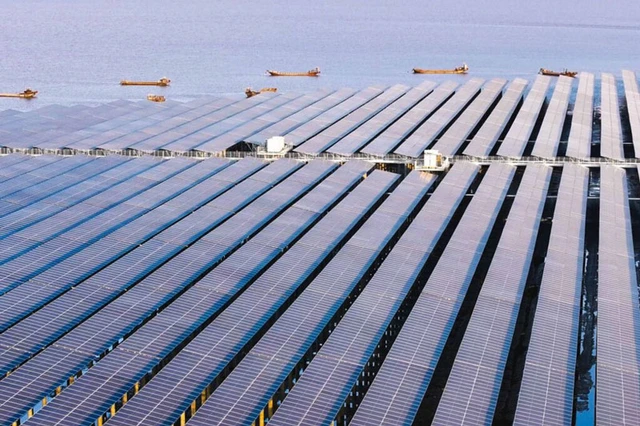
The fundamental challenge of renewable energy lies not so much in resource scarcity as in the complexity of distribution. Solar arrays typically peak when demand may be at its lowest, and abrupt fluctuations in irradiance can trigger volatile swings across the grid. The solution to this dilemma is embodied in the Guohua Rudong project, deployed within the tidal zones near the Port of Yankou. The facility utilizes a multi-layered architecture where each component is engineered to offset the limitations of the others.
At the heart of the complex lies a 400 MW coastal photovoltaic plant. With a projected annual yield of 468 GWh, the facility is capable of powering approximately 200,000 households. However, the true value of the site lies not in the scale of its panels, but in its stabilization system. A battery energy storage system (BESS) with a capacity of 60 MW and 120 MWh functions as a massive capacitor, smoothing generation peaks and ensuring a steady power supply to the complex's most energy-intensive component: the electrolyzers.
The integration of hydrogen production elevates the facility from a conventional power plant to a sophisticated fuel refinery. The system is engineered to produce 482 tons of high-purity "green" hydrogen annually, with a nominal capacity of 1,500 m³ per hour. The final link in this chain is a refueling infrastructure capable of delivering up to 500 kg of hydrogen per day to the transport and industrial sectors.
A key engineering triumph of the project is the minimization of transmission losses. Engineers implemented a direct coupling between the PV plant and the electrolyzers via a dedicated submarine cable. This allows surplus solar energy to be routed directly into water electrolysis, bypassing the national grid and significantly boosting overall system efficiency. During periods of peak solar irradiance, approximately 1/40th of the total energy generated is diverted specifically to hydrogen production.
The commissioning schedule was executed in phases: solar generation was integrated into the grid in April 2025, with full system commissioning completed by June 2026. The final milestone—the launch of the hydrogen plant—is slated for August 2026.
Crucially, the project eschews aggressive industrial expansion in favor of ecological symbiosis. While the complex occupies roughly 2.9 km² of tidal lands, it is integrated into a broader 4.3 km² wetland restoration initiative. Special emphasis has been placed on eradicating the invasive Spartina alterniflora, effectively transforming an energy asset into a tool for coastal ecosystem regeneration. In doing so, the project establishes a new industry benchmark: technological advancement must no longer come at the expense of regional biodiversity.
 The Energy Potential of Stratospheric Winds