For decades, the home console industry has operated under the "razor and blades" paradigm, strategically selling hardware at a loss to secure downstream revenue from software and services. Yet, the skyrocketing cost of semiconductors and the destabilization of global logistics are forcing industry giants to pivot. Sony has already signaled that the era of indefinite hardware subsidies is coming to an end. This strategic shift is set to redefine the financial landscape and the overall accessibility of the next generation of gaming systems.
For years, the console industry has operated on a predictable playbook: aggressive hardware subsidies. The goal was to expand the user base as rapidly as possible, subsequently monetizing that audience through digital storefronts and subscription services. However, today's economic climate is demanding a pivot. In a recent dialogue with investors, Sony Interactive Entertainment (SIE) leadership signaled that the era of absorbing uncompromising losses in the pursuit of expansion is drawing to a close.
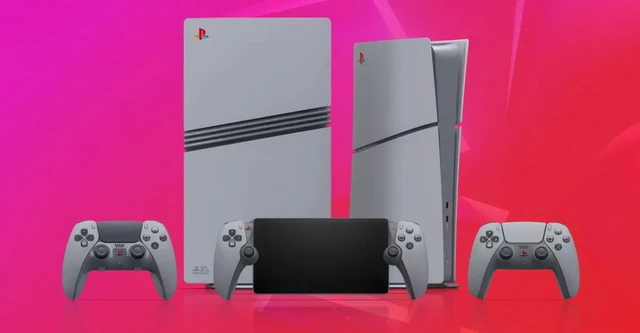
Hideaki Nishino, President and CEO of SIE, underscored that hardware remains the bedrock of the entire PlayStation ecosystem. At the same time, the company is seeking to broaden the definition of the "console experience." The PS Portal serves as a prime example—a device that extends platform interaction beyond the living room, demonstrating a more flexible approach to peripheral development.
Yet, beneath this technological diversification lies a cold financial calculus. Sony has acknowledged that, given current market conditions, the company can no longer unilaterally absorb the skyrocketing cost of components. This reality has already manifested in targeted price increases for hardware in regions outside of Japan. Notably, demand has remained stable despite these hikes, giving the corporation confidence in its strategic trajectory.
The central tenet of this new strategy is a departure from selling hardware at a "significant loss." Rather than fighting for the lowest possible barrier to entry, Sony is betting on the concept of value. The company wants consumers to perceive the cost of a console not as a hurdle, but as an equivalent to the technological experience and service quality provided. This shift in focus from "affordability" to "value" signals PlayStation's transition into the premium market segment.
These declarations carry a particular weight against the backdrop of rumors surrounding the development of the PlayStation 6. While official specifications and a release date for the next generation remain shrouded in secrecy, the financial trajectory has already been set. The release of the PS5 Pro, with a price tag hovering around $900, served as a bellwether: the cost of entry into the ecosystem is rising. If Sony continues its policy of minimizing hardware production losses, the price of the PS6 could be substantially higher than any previous iteration. Such a move would definitively cement the console's status as a high-end, high-tech luxury product rather than a mass-market consumer appliance.
 The Phenomenon of the Foldable iPhone Ultra