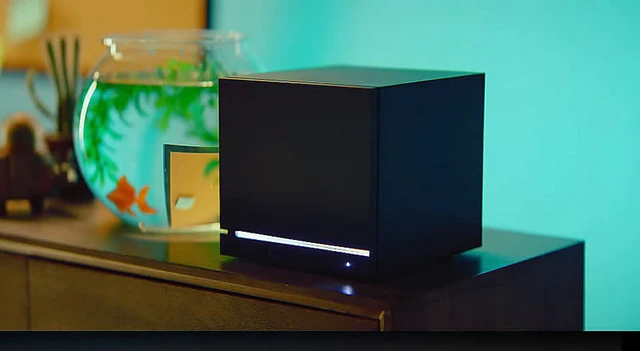
For decades, the modern console gaming industry has relied on a hardware subsidy model as a primary means of capturing market share. Selling hardware at a loss has become a strategic tool for constructing closed ecosystems and exerting rigid control over content. Valve, however, opted for a fundamentally different approach, introducing the Steam Machine at a price point that reflects the actual cost of its components. In doing so, they have transformed a commercial product into a manifesto for openness and consumer autonomy.
At the heart of Valve's strategy lies a fundamental clash between two divergent philosophies of the electronics market. On one side is the traditional console paradigm, where hardware is sold at a loss to aggressively expand the user base. On the other is the philosophy of an open ecosystem, where the device's price is determined strictly by production costs and a minimal profit margin.
The pricing strategy for the Steam Machine appears radical when juxtaposed with its primary competitors. The entry-level configuration, featuring a 512GB drive, starts at $1,049, while the 2TB version commands an additional $300 premium. Furthermore, a specialized Steam Controller is offered for $79. By comparison, the PlayStation 5 and Xbox Series X typically hover around the $600–$650 mark; even the more expensive PS5 Pro does not reach the price bracket of Valve's base model.
This price disparity is a direct result of Valve's rejection of the "loss leader" tactic—the practice of selling hardware at a deficit to recoup margins through paid subscriptions and exclusive content. From Valve's perspective, this practice is precisely what fosters the creation of "walled gardens." When a console manufacturer absorbs the financial loss of the hardware, they inevitably seek to compensate by restricting the user's freedom to choose software and by erecting artificial barriers within the system.
Historically, platform openness has served as the primary catalyst for innovation. By allowing any developer to offer their solutions without rigid gatekeeping or onerous licensing terms, the industry gains access to more flexible and sophisticated tools. The Steam Machine is positioned not as a monolithic solution, but as one of many viable options. This shifts the burden of choice to the gamer, who independently weighs the trade-offs between price, performance, and form factor, without becoming captive to a corporate ecosystem.
However, the execution of this vision collided with harsh market realities. The device's cost was derived from real-world component prices and manufacturing overheads. This situation was further exacerbated by a global shortage of memory and storage modules, forcing the company to slash planned production volumes by approximately one-third. In the current climate of supply chain volatility, the mere fact that the device reached the market is more of a logistical feat than a routine business operation.
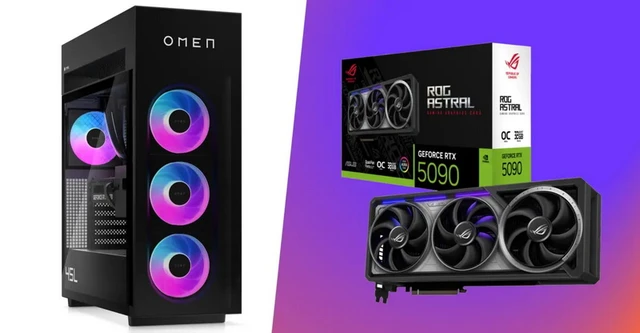 The Economic Paradox of the GeForce RTX 5090