Valve continues to push the envelope of gaming system customization, reimagining hardware as a canvas for technical ingenuity. The release of the Inkterface project empowers users to engineer their own information hubs leveraging e-ink technology. This move underscores the open-source ethos of SteamOS and Valve's commitment to fostering the global maker community. Consequently, the Steam Machine transcends its role as a mere console, evolving into a platform for sophisticated engineering modifications.
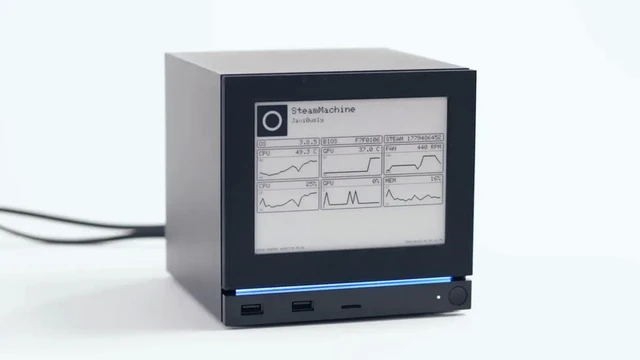
The integration of E Ink displays into consumer electronics has always been a delicate balancing act between utility and minimalism. Valve has pivoted this concept toward the realm of open-source design by releasing all the necessary resources to create Inkterface—a custom front panel for the Steam Machine. Hosted within the SteamOS GitLab repositories, the project is a comprehensive engineering toolkit, encompassing everything from 3D-printing files and material specifications to firmware and detailed software configuration guides.
Technically, Inkterface leverages established staples of the DIY electronics scene. At its core is a 5.83-inch Adafruit display, providing the high contrast and energy efficiency characteristic of electronic ink. The bridge between the system and the screen is an ESP32 microcontroller, which facilitates wireless data transmission via Bluetooth. This strategic choice of components ensures the project remains accessible to any enthusiast with basic soldering skills and access to a 3D printer.
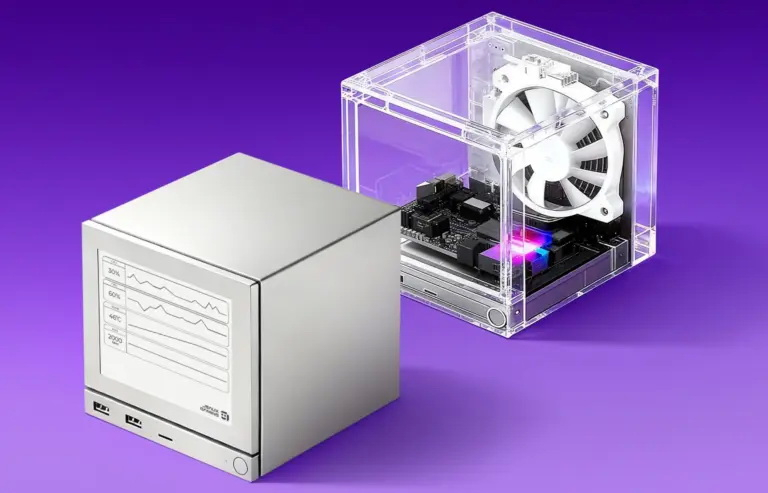
Conceptually, Inkterface aligns seamlessly with the Steam Machine's thoughtful ergonomics. The device features a magnetic front panel, allowing for tool-less aesthetic customization. Valve positioned this accessory not as a retail product, but as a blueprint for third-party developers. The result is a versatile visualization tool: the screen can display real-time critical system metrics or static custom imagery, effectively transforming a gaming PC into a piece of interior design.
However, the journey from GitLab blueprints to a finished device requires a significant investment of time and effort. The assembly process—which involves printing the chassis, mounting the electronics, and deploying the firmware—renders Inkterface a niche solution for those who find value in the act of creation itself.
For those who prefer a plug-and-play experience, the market is already responding to Valve's initiative. Jsaux, renowned for its handheld console accessories, plans to launch a commercial iteration of a similar panel. This move will transition an experimental project into a consumer-ready product, removing the barriers of manual assembly and programming, although official timelines and pricing remain undisclosed.
 The Price of Acceleration: CXMT’s Rapid Push into Memory