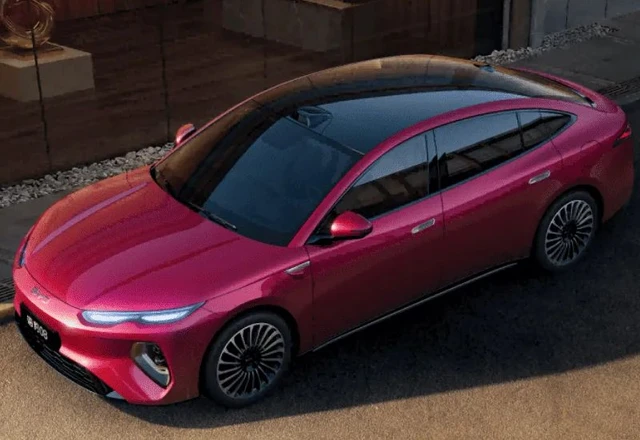
The automotive industry is undergoing a fundamental transformation, evolving from traditional mechanical engineering into the realm of software-defined systems. This shift effectively turns modern vehicles into mobile data centers, driving an unprecedented demand for semiconductor components. As artificial intelligence and autonomous driving are integrated, memory requirements are reaching levels typically associated with high-performance workstations. We are witnessing a paradigm shift where the capacity of volatile and non-volatile memory now defines the functional capabilities of the vehicle.
The pandemic-induced semiconductor crunch laid bare an unexpected vulnerability within the automotive sector: even the most rudimentary chips became scarce resources. Today, this volatility is exacerbated by the global generative AI boom, which is effectively monopolizing microelectronics production capacity, leaving the PC and smartphone markets fighting for the remaining crumbs. However, the true "memory gluttons" are modern vehicles, whose computational requirements are growing exponentially.
The primary catalyst for this surge is the evolution of autonomous driving systems. Tesla’s hardware trajectory serves as a prime example: while the fourth generation of Autopilot relied on 32 GB of GDDR6 or LPDDR memory, the new version 4+ doubles this capacity to 64 GB. A similar trend is evident in the Nvidia Orin platform—now an industry standard for numerous OEMs—which also operates within a 32 to 64 GB RAM range. The deployment of high-speed GDDR6 memory is necessitated by the need to process massive streams of real-time data from cameras and sensors, essentially transforming the onboard computer into a powerful graphics accelerator.
Yet, electronic requirements extend beyond specialized autopilot modules. Modern vehicles are developing a sophisticated, multi-tiered memory hierarchy. Base configurations, which integrate infotainment systems and basic Advanced Driver Assistance Systems (ADAS), require approximately 40 GB of RAM. In high-end trims, this figure surpasses the 100 GB threshold, placing these vehicles in the same league as professional servers or rendering workstations.
Parallel to the demand for volatile memory, requirements for NAND-based non-volatile storage are skyrocketing. The primary pressure here stems from Over-the-Air (OTA) update mechanisms. While deploying new firmware versions requires a minimum of 10 GB for temporary storage, the need for redundant backups to prevent "bricking" the system during a failure can push this requirement up to 50 GB.
The largest share of disk space is consumed by the massive datasets required for autopilot neural networks—ranging from high-definition maps to extensive image libraries and object recognition patterns. These assets demand between 100 and 300 GB of storage. This is further compounded by the evolution of multimedia interfaces; the integration of sophisticated AI assistants capable of natural language processing and contextual trip management requires even more headroom. Consequently, automotive SSDs are scaling from 500 GB up to 1.5 TB.
Given the industry's trajectory toward full autonomy and deep cloud integration, it is certain that memory requirements will continue to climb annually. The automobile is ceasing to be a mere means of transport; it is becoming a complex computing node where DRAM and SSD capacity are becoming as critical technical specifications as engine displacement or fuel tank volume once were.
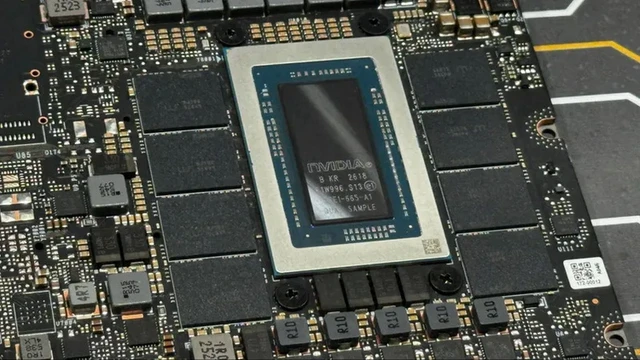 Nvidia N1X and the New Era of Arm PCs