The modern electronics industry is undergoing a paradigm shift, moving away from walled gardens toward a culture of transparency and deep modification. Valve continues to spearhead this movement, evolving its hardware from static consumer products into open platforms for engineering creativity. The latest release of technical specifications for the Steam Machine underscores the company's significant confidence in the enthusiast community. Now, aesthetic personalization is reaching a new technological frontier with the integration of electronic ink.
Valve’s approach to hardware design has long evolved beyond the mere production of consoles and peripherals. The company is effectively applying open-source ethos to the physical world, providing users with the tools necessary for the deep modification of its products. With the release of the Steam Machine—a premium device priced between $1,049 and $1,349—the emphasis shifted toward modularity and aesthetic flexibility. A standout feature of the system was the ability to quickly swap magnetic faceplates, effectively turning the PC chassis into a canvas for self-expression.
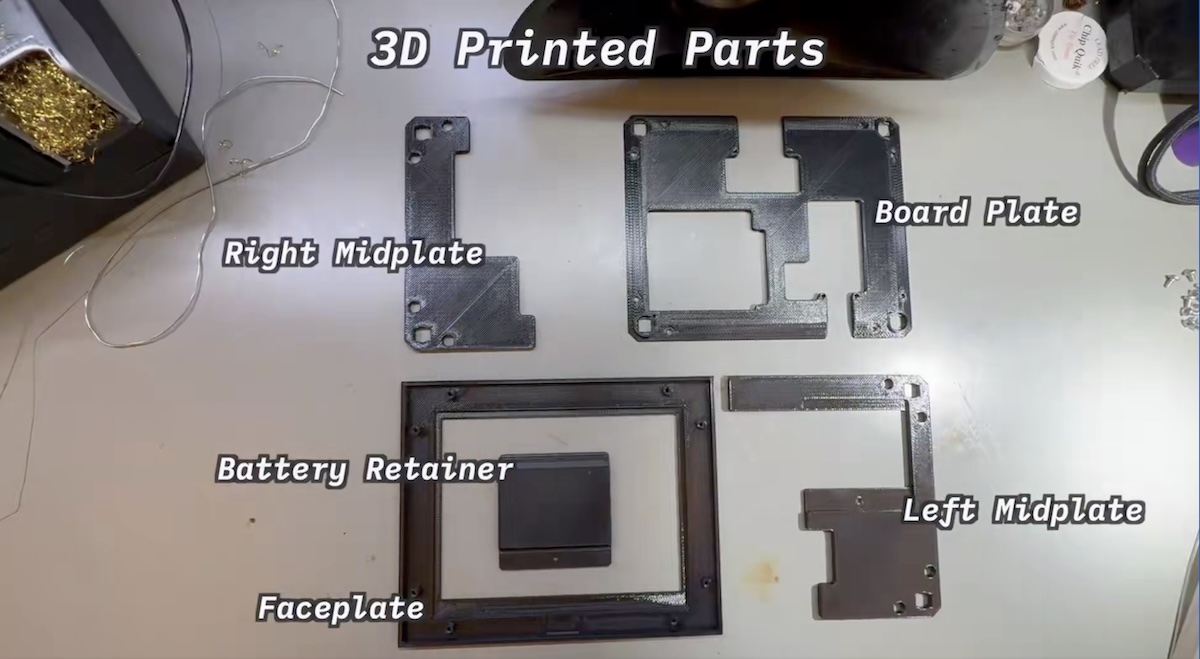
The next evolution of this strategy is project Inkterface: a comprehensive system for creating an active panel based on electronic ink (E-Ink). Rather than simply proposing an idea, Valve has published an exhaustive technical stack, ranging from CAD files for precision manufacturing to detailed material specifications and video tutorials. This approach transforms the assembly process into a genuine engineering endeavor, accessible to anyone equipped with a 3D printer and fundamental electronics knowledge.
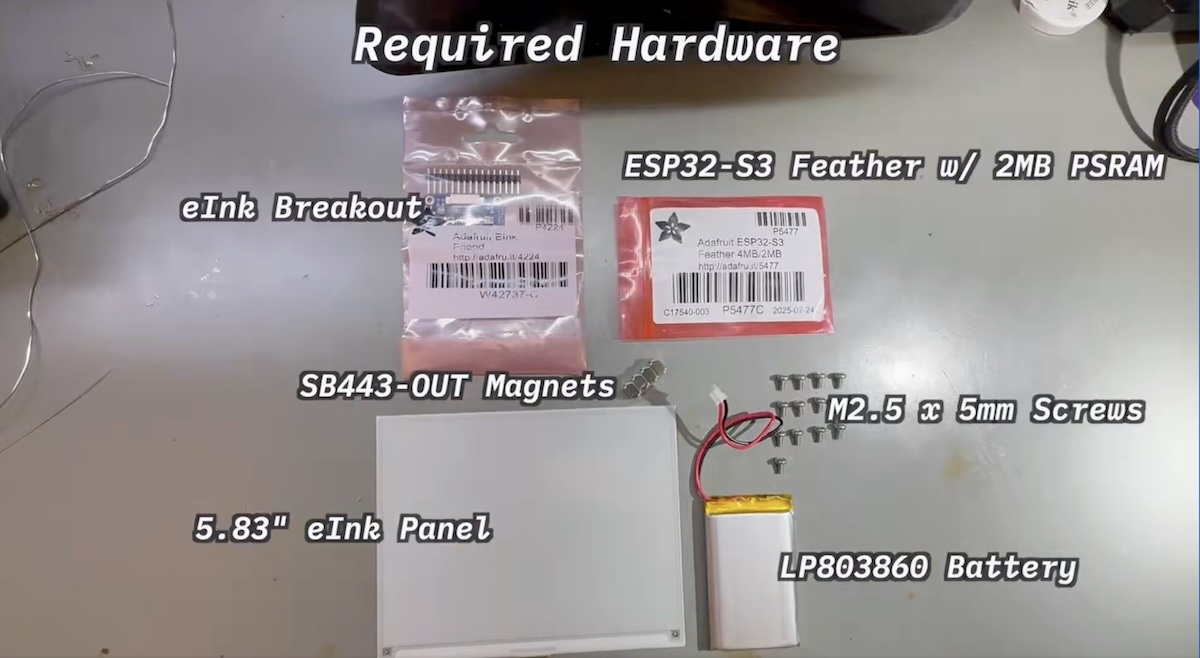
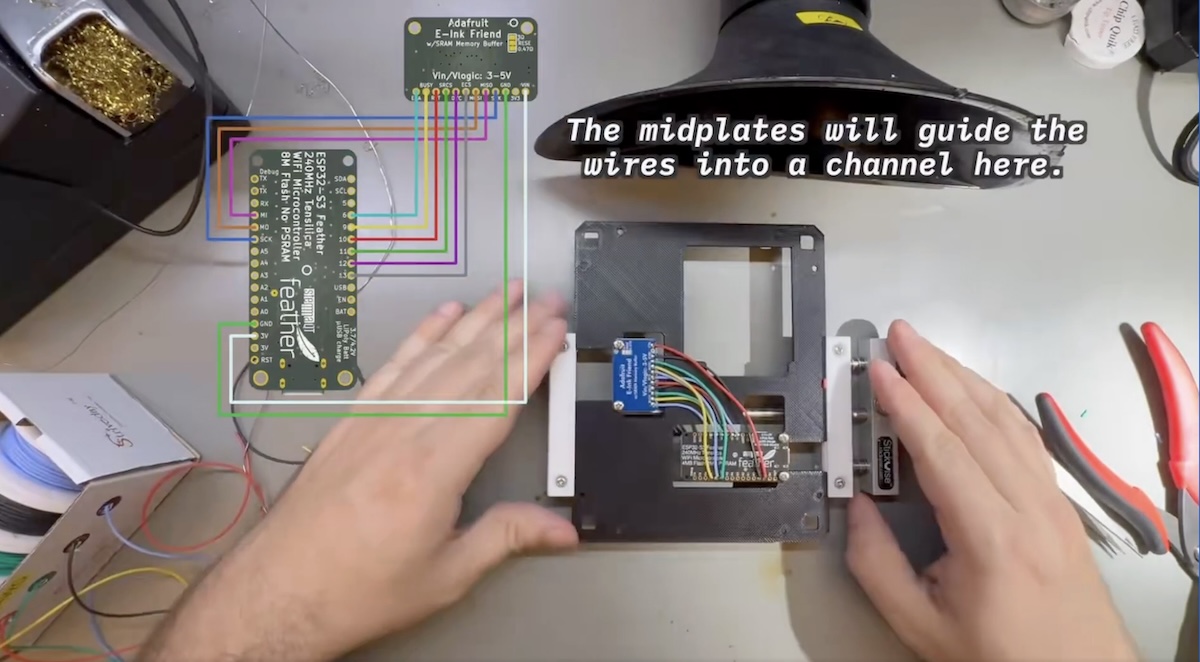
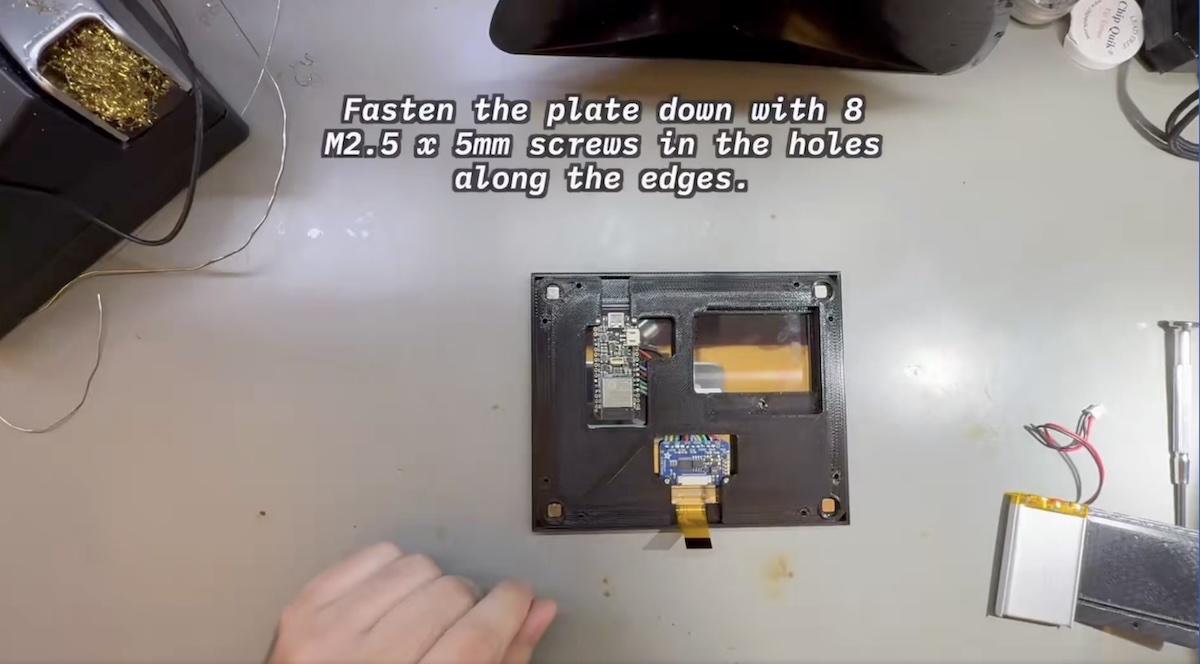
The technical implementation of Inkterface relies on proven components from the Adafruit ecosystem. At its core is the ESP32 Feather microcontroller with 2MB of PSRAM, providing the necessary computational power to drive the display. The bridge between the controller and the 5.83-inch monochrome panel is an eInk Breakout Friend board. For physical assembly and stability, precision M2.5 screws and specialized stepped magnets are used to ensure a seamless fit against the Steam Machine chassis.
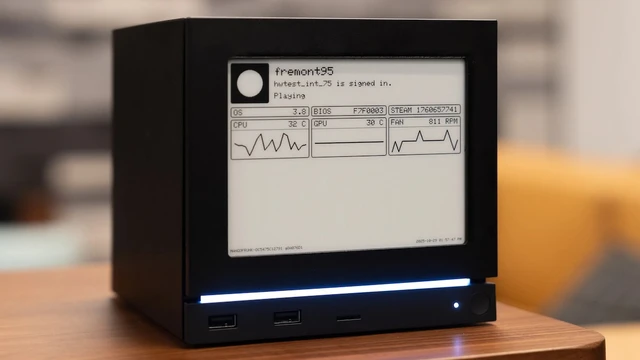
The software side of the project is executed with equal attention to detail. The GitLab repository provides comprehensive firmware instructions for the ESP32 and detailed configuration documentation. Currently, interaction with the panel is handled via custom AppImage packages; however, Valve plans to integrate a dedicated application directly into Steam. Thanks to Bluetooth support, users can output real-time system telemetry to the E-Ink screen, transforming a decorative element into a functional information dashboard.
This move is neither accidental nor an isolated experiment. Valve is systematically building a support infrastructure for modders. In 2022, the company released the topological data for the Steam Deck chassis, and more recently, provided a full set of CAD files for the Steam Controller. This enables the community to develop accessories not officially envisioned by the manufacturer—ranging from ergonomic grip extenders to complex charging stations and smartphone mounts.
Such openness creates a unique symbiosis between vendor and consumer. Rather than confining users within the rigid boundaries of warranty agreements, Valve is stimulating a secondary market for accessories and engineering solutions. Ultimately, this extends the device lifecycle and deepens brand loyalty among its most technical and dedicated users.
 The Price of Acceleration: CXMT’s Rapid Push into Memory