For decades, the predictability of Apple’s release cycles has served as the gold standard for the consumer electronics industry. However, systemic volatility within semiconductor supply chains is now forcing the tech giant to pivot from its established patterns. Recent data indicates a significant disruption in the iPhone 18 rollout schedule—a shift that could set a new precedent for the entire sector. The decision to stagger the debuts of base and flagship models underscores a profound crisis in manufacturing capacity.
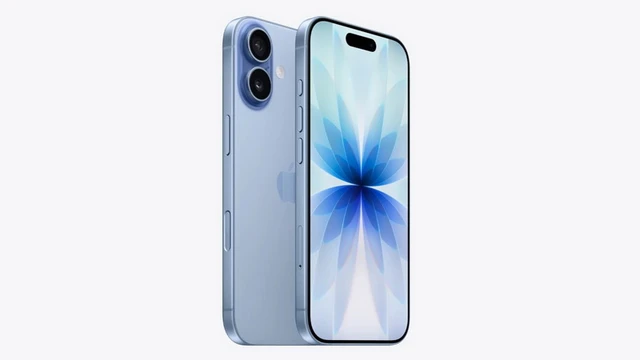
The tech industry has long relied on the predictability of Cupertino’s autumn launch cycle, where new hardware is unveiled as a cohesive ensemble. However, that stability is now under threat. Reports from Pegatron—one of Apple's primary assembly partners—suggest a fragmented rollout for the iPhone 18 series. While the premium Pro and Pro Max variants are slated for an imminent release, the base iPhone 18 model has reportedly been pushed back to the first quarter of 2027.
This staggered release is less a calculated marketing maneuver and more a necessity born of crisis. The primary culprit is an acute shortage of high-end processors and memory modules. Bottlenecks in semiconductor fabrication have triggered a domino effect: the inability to reach target production volumes has driven up component costs globally, directly hindering Apple's capacity to scale the manufacturing of its entry-level models.
Such a scenario is an anomaly in the modern Apple era. From the iPhone 11 through the iPhone 17, the company maintained a strategy of synchronized launches across the entire family. This pivot toward bifurcated supply chains underscores that even a titan like Apple remains beholden to the constraints of lithography and systemic disruptions within the global chip supply chain.
Beyond standard iterative updates, this coming September promises to be a watershed moment for the product lineup. Alongside the Pro models, the market is expected to see Apple's first true foldable—the iPhone Ultra. This device is designed to redefine content interaction and carve out a new territory in the ultra-premium segment.
The culmination of this extended cycle will arrive in the spring of 2027. Between January and March, Apple is expected to release not only the base iPhone 18 but also additional variants: a streamlined iPhone 18e and the conceptually novel iPhone Air 2. In effect, Apple is transitioning toward a phased portfolio refresh, allowing for greater agility in resource management amidst a volatile semiconductor market.
 The Evolution of Apple's Augmented Reality Ecosystem