The era of unbridled AI optimism is giving way to a period of stark pragmatism. Investors have begun to seriously scrutinize the timelines and scale of returns on the staggering capital expenditures poured into the industry by tech giants. The June slump in the market capitalization of the sector's heavyweights served as a definitive signal that market sentiment has shifted. The financial community is no longer satisfied with ambitious promises; it now demands concrete performance metrics.
The global tech sector has entered a period of severe correction. For several years, the market existed in a state of euphoria fueled by the meteoric rise of generative AI; however, June marked a sharp reversal of this trend. The combined market capitalization of the "Magnificent Seven"—the group of the largest U.S. big tech firms—plummeted by a staggering $2.3 trillion.
This downturn reflects mounting investor anxiety regarding the aggressive expansion strategies of these industry leaders. Microsoft, Nvidia, Alphabet, Apple, Meta, Tesla, and Amazon collectively shed approximately 10% of their value in a single month. The catalyst was the widening chasm between massive infrastructure expenditures and the opaque timeline for their rapid monetization.
The decline was particularly acute for the companies positioned as the vanguard of the AI revolution. Microsoft saw its market cap shrink by 20%, while Nvidia, long considered the primary beneficiary of the boom, slumped by 13%. Apple and Amazon proved more resilient, yet they still succumbed to an 8% drop.
Notably, even Nvidia, despite its vast reserves, has been forced to leverage debt to finance several projects. For companies with less liquidity, the situation is even more precarious: the desperation to keep pace in the AI arms race is forcing them to strain their balance sheets with significant debt.
From a fundamental analysis perspective, we are witnessing a profound transformation in how these companies are perceived. Where investors once viewed big tech as asset-light, high-margin entities, they are now evolving into capital-intensive enterprises. Massive investments in compute power and data centers are effectively substituting traditional labor. Analysts suggest that this transition requires market patience; while investments in "digital intelligence" must yield profits in the long run, the process will not be instantaneous.
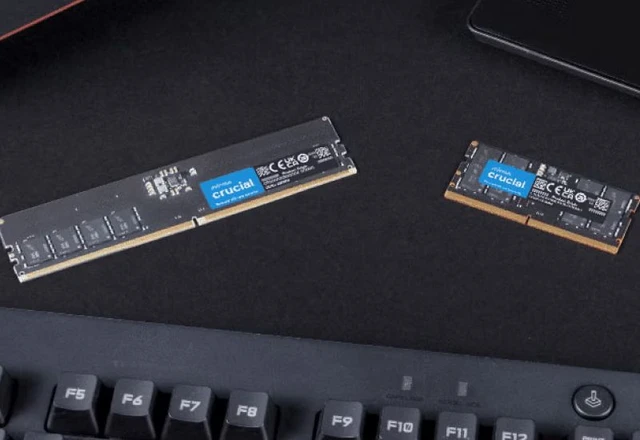
There is also a compelling divergence emerging within the sector itself. While the platform behemoths are losing value, hardware and equipment providers continue to climb. The SOX index, which tracks semiconductor companies, gained 6% in June and has posted a phenomenal year-to-date increase of over 90%.
This paradox is explained by the fact that, at this stage of the AI boom, the winners are those selling the "shovels" for the digital gold rush. Recent quarterly earnings from players like Micron only confirm the sustained demand for hardware. Despite the short-term volatility of big tech stocks, experts predict that revenue for cloud titans will continue to grow through the end of the year, which may ultimately restore investor confidence in the sector.

 The Evolution of the Apple Home Ecosystem