The vision of urban air mobility hinges on an unwavering trust in autonomous flight control systems. Yet, the friction between aggressive corporate timelines and stringent safety protocols frequently creates a zone of critical risk. A high-profile legal battle surrounding the startup Wisk Aero has laid bare a systemic conflict: the drive for rapid market dominance versus the uncompromising demands of aviation certification. At the heart of the dispute lies an alleged attempt to conceal software defects—flaws in the very code upon which the lives of future passengers will depend.
At the core of any modern unmanned aerial vehicle (UAV) lies a sophisticated hierarchy of systems, with the Vehicle Management System (VMS) serving as the critical nexus. This onboard "brain" coordinates every vital function, from sensor integration and propulsion to battery power management and flight trajectory. In aviation, software failure is not an option; consequently, development is governed by the rigorous DO-178C standard mandated by the U.S. Federal Aviation Administration (FAA). This standard demands the exhaustive verification of every line of code to ensure the system behaves predictably under any emergency scenario.
However, internal processes at Wisk Aero—a venture backed by industry giant Boeing—allegedly diverged significantly from these mandates, according to a former employee. A systems engineering and product safety specialist tasked with VMS integration discovered critical defects and a prevalence of "spaghetti code"—convoluted, poorly structured logic that renders program maintenance and testing virtually impossible. Furthermore, the software reportedly failed to clear the fundamental verification stages required by DO-178C, effectively making it unfit for civil aviation certification.
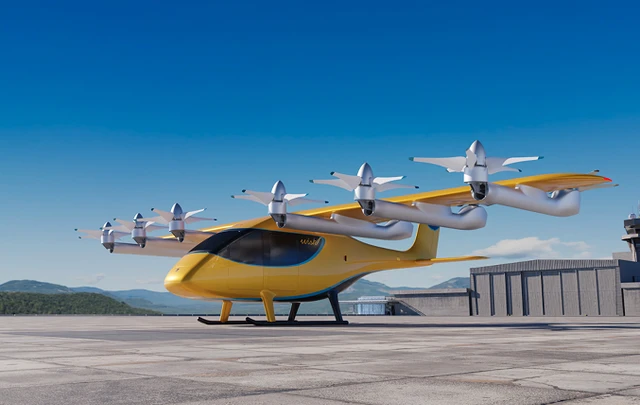
The conflict reached a breaking point under intense corporate pressure. Management was determined to meet a May deadline for the maiden flight of their sixth-generation air taxi at any cost. In the rush to stay on schedule, the engineering team was reportedly instructed to truncate essential testing—a move that, in the context of aerospace engineering, is tantamount to a conscious disregard for the risk of catastrophic failure.
Attempts to resolve these issues through official channels led to an inevitable and severe confrontation. On March 19, 2025, the engineer submitted a detailed report on the safety violations via the internal monitoring system and directly to the head of security. The response was swift: on March 31, just twelve days later, the employee was terminated. The formal justification cited the creation of a "toxic atmosphere" that hindered collaboration and alleged delays caused by the employee to the program's timeline.
The irony of the situation is that, despite the termination, the maiden flight was delayed regardless, eventually taking place in December 2025. This timeline indirectly supports the claim that the initial rush was unjustified and that the technical hurdles were indeed substantial.
The matter has now transitioned into a legal battle in the Superior Court of Santa Clara County. The lawsuit relies on California's whistleblower protection laws, which prohibit retaliation against employees who report unsafe working conditions or violations of technical regulations. With the hearing scheduled for December 2026, the outcome could set a pivotal precedent for the entire autonomous transport industry, reinforcing the principle that a culture of safety must always supersede marketing schedules.
 Driver Attention Monitoring in Tesla Electric Vehicles