The contemporary tech landscape is increasingly defined by a friction between ambitious marketing narratives and actual product capabilities. Apple’s rollout of Apple Intelligence has become a textbook case of how discrepancies in feature delivery timelines can trigger multi-million dollar litigation. The company agreed to a $250 million settlement to resolve claims from users who had been promised a fully realized AI experience on their devices. This precedent signals a new era of accountability for tech giants, where public promises are scrutinized under the pressure of the relentless AI arms race.
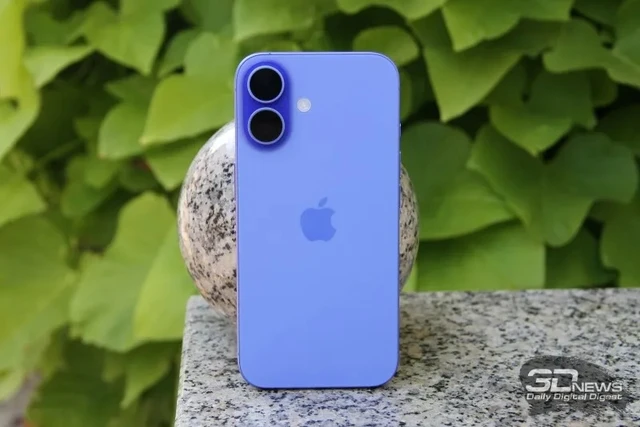
The roots of this dispute trace back to WWDC 2024, where Apple unveiled its vision for artificial intelligence. By shrouding Apple Intelligence in an aura of revolution, the company cultivated a clear and substantiated expectation among consumers: the enhanced Siri capabilities and system-wide AI tools would be available simultaneously with the launch of the flagship iPhone 16. The marketing campaign was aggressive, positioning the device as a product literally "built for Apple Intelligence."
The reality, however, was far less glamorous. When the iPhone 16 hit the shelves, users discovered that the device possessed only a fraction of the promised functionality. The deep AI integration into Siri was postponed, leaving consumers with the impression that they had purchased a "half-baked" product. Although Apple officially denied any breach of obligation, the legal machinery pivoted quickly: a class-action lawsuit by device owners transformed a marketing misstep into a financial liability.
To resolve the dispute, Apple has established a settlement fund of $250 million. On average, affected users can expect a payment of $25, though this amount could rise to $95 depending on the final number of claims filed.
Eligibility for compensation is extended to owners of devices purchased between June 10, 2024 (the date the features were announced at WWDC) and March 29, 2025. The settlement is limited to the US market, and the list of qualifying models includes the entire iPhone 16 lineup (including the 16e and Plus versions) as well as the previous generation's premium models—the iPhone 15 Pro and 15 Pro Max.
The payout process will be a marathon. Verita Global is serving as the settlement administrator, having created a dedicated portal for data collection. Owners must provide their name, contact information, and device serial number by December 21, 2026.
Final approval of the payments is not expected until September 29, 2027, with actual checks being dispatched within two months following that date. Consequently, consumers will receive their compensation years after the AI features finally arrived via operating system updates.
This case highlights a perilous industry trend: the tendency of companies to sell a "future" that has not yet been realized in the code. In an era where software has become the primary differentiator for hardware, any discrepancy between a marketing slogan and actual functionality evolves into a significant legal and reputational risk.
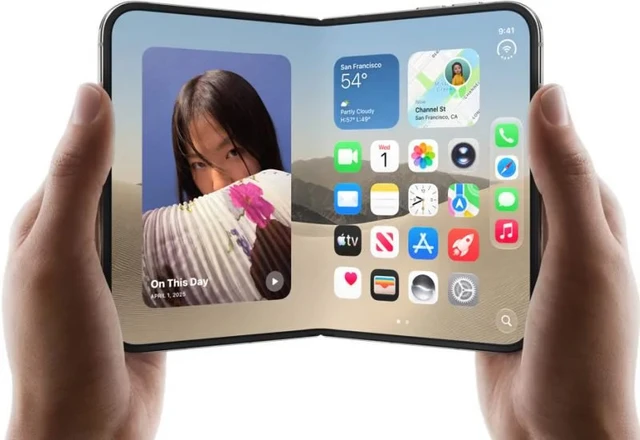 Apple's Strategic Compromises in the Development of the iPhone Duo