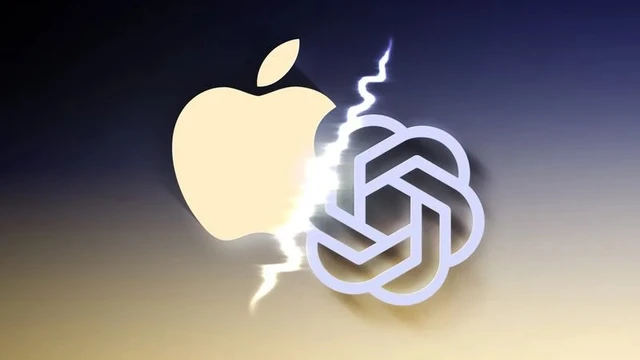
In an era defined by the meteoric rise of generative AI, the lines separating software titans from hardware manufacturers have all but vanished. The clash between Apple and OpenAI has become a watershed moment, illustrating how the fierce competition for top-tier talent can escalate into an all-out legal battle over intellectual property. This is not merely a case of corporate poaching; it is about the potential systemic migration of critical engineering blueprints from one ecosystem to another. At the heart of the conflict lies a fundamental tension: where does an engineer’s accumulated professional expertise end, and where does industrial espionage begin?
The scale of talent migration between these two technological titans has proven unexpectedly vast: reports suggest that over 400 former Apple employees are now on OpenAI’s payroll. For Cupertino, however, this has evolved beyond routine labor market churn into a suspected breach of trade secrets. Apple's recent maneuvers signal a shift toward an aggressive asset-protection phase, as the company issues formal notices to dozens of former colleagues demanding the preservation of all correspondence and documentation.
This legal tactic, known as a "litigation hold," is designed to prevent the spoliation of potential evidence. Approximately 40 specialists have been ordered to retain any data that may be relevant to future legal proceedings. This suggests that Apple views the situation not as a series of isolated incidents, but as a coordinated campaign by OpenAI to acquire proprietary insights into Apple's products and manufacturing processes.
Legal scrutiny is particularly focused on pivotal figures whose expertise is critical for developing AI-integrated hardware. Notable among them are Tang Tang, a 24-year Apple veteran who long oversaw industrial design, and Chang Liu, formerly a senior electrical systems engineer. The migration of such specialists to OpenAI—which is now aggressively pursuing its own physical devices—poses a strategic risk: deep institutional knowledge of the iPhone's internal architecture and production methods could serve as a powerful catalyst for the competitor.
OpenAI remains steadfast in its denial, dismissing allegations of data theft and citing a lack of evidence to support Apple's claims. For the iPhone maker, however, these findings are merely the tip of the iceberg; the company intends to seek an injunction to block OpenAI from utilizing any confidential information in the development of its new product line.
This conflict underscores a broader industry pivot: the transition from purely software-driven AI to the creation of specialized hardware. In this race, expertise in industrial design and systems electronics has become as valuable a resource as raw compute power or high-quality datasets. Apple, long defined by its culture of absolute secrecy, now finds itself fighting to ensure that its own engineering standards and proprietary breakthroughs do not become the foundation for its primary AI rival's hardware ambitions.
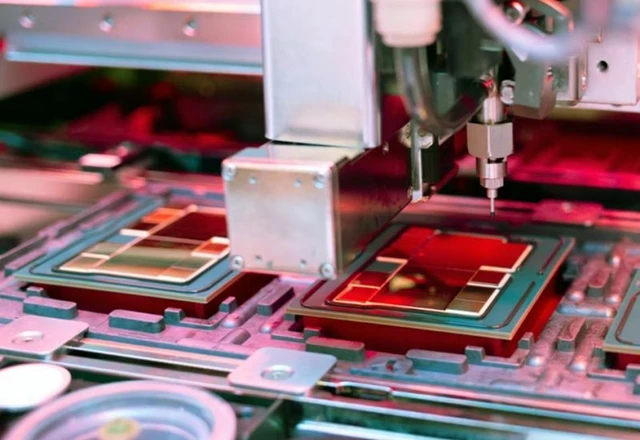 Intel’s Strategic Play for Advanced Packaging Supremacy