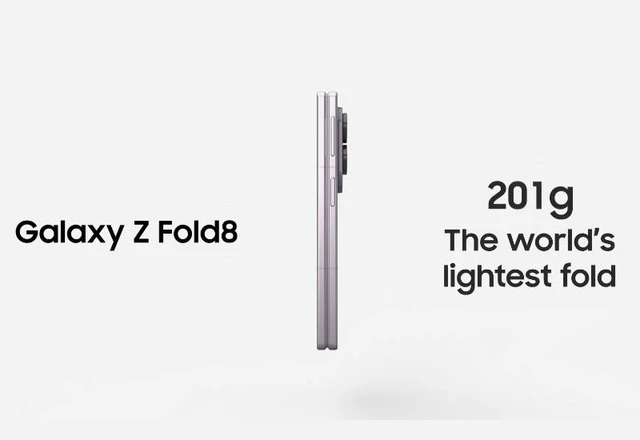
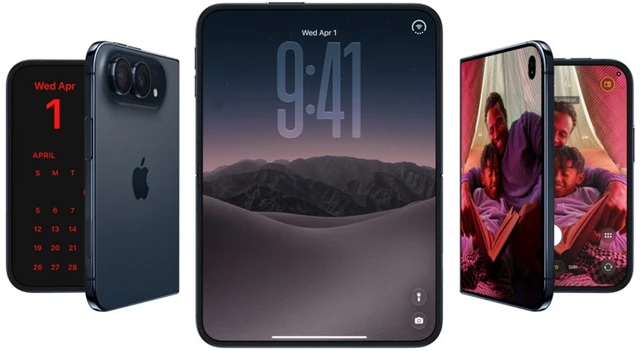
For years, the foldable device market served as a testing ground—a space where technological leadership was measured by the speed of deployment rather than the precision of execution. By deliberately distancing itself from this race, Apple waited for the precise moment when hardware capabilities finally aligned with its own rigorous internal standards for quality and longevity. The debut of the iPhone Duo is more than a mere expansion of the product lineup; it is a manifesto of a philosophy where software and hardware coalesce into a single, seamless instrument. The industry is finally receiving an answer to the definitive question: what does a truly mature foldable smartphone actually look like?
For years, the industry watched as competitors mastered the "passport" form factor, filling the void left by the rise of foldable screens. Apple’s strategy, however, was not predicated on primacy, but on reaching a definitive threshold of quality. For the company, it was imperative that the product did more than simply function; it had to meet the rigorous standards of durability and aesthetics that define the brand's identity.
The primary challenge lay in forging a seamless synergy between the device's physical form and its operating system. The development of the iPhone Duo demanded a fundamental reimagining of user interaction. This was not a mere exercise in adapting existing software to a new screen size; it was about architecting a new ecosystem where hardware and software complement one another to create a singular user experience.
A critical analysis of existing competitor solutions revealed systemic flaws that Apple sought to rectify. While many devices on the market relied on materials that felt like cheap plastic, and their displays suffered from pronounced creases and surface "waviness," Cupertino focused on tactile perfection. The objective was to create a surface that not only looked premium but felt natural to the touch.
The intrigue surrounding the foldable iPhone was fueled by a series of leaks that effectively revealed the device's form factor long before its official unveiling. This prompted other market leaders, including Samsung, Huawei, and Xiaomi, to aggressively pursue similar proportions. Nevertheless, Apple managed to keep one of its core technological advantages under wraps: a unique foldable display featuring a nano-textured coating, designed to radically alter the screen's perception and its interaction with light.
Parallel to these technological breakthroughs, the company underwent significant leadership changes. The appointment of John Ternus as CEO symbolizes continuity and a deep-seated commitment to Apple's internal culture. For the company's leadership, creating such products is not merely a business objective, but the culmination of years of experience and a passion for engineering excellence—a drive that ultimately defines the trajectory of the entire ecosystem.
 A Comprehensive Refresh of Apple's Global Product Portfolio