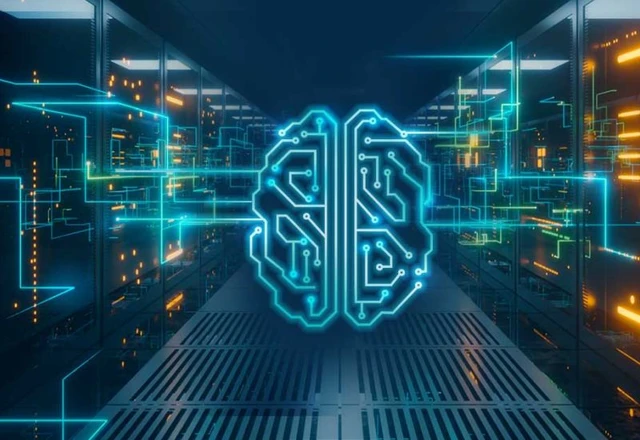
The global labor market is undergoing a fundamental transformation, propelled by the rise of generative AI and pervasive automation. While public discourse remains centered on the threat of mass unemployment, industry leaders are beginning to delineate the "human frontier"—the specific set of competencies that algorithms simply cannot replicate. A recent analysis from Walmart offers a compelling case study in this coexistence, identifying roles where human judgment remains indispensable. This evolution signals a strategic pivot: moving away from the rote execution of routine tasks toward the orchestration of complex systems and the navigation of interpersonal dynamics.
The evolution of the workforce in the age of AI is often framed as a binary: total displacement by machines or the preservation of the status quo. However, reality is far more nuanced. Within the infrastructure of retail and logistics giants, a new hierarchy of value is emerging—one where automation absorbs predictable routines, leaving humans to navigate zones of high uncertainty, accountability, and physical complexity.
An analysis of high-demand competencies reveals three key pillars that remain beyond the reach of algorithms. The first is cognitive leadership and emotional intelligence. Roles such as store managers, Sam’s Club executives, and team leads require the ability to make critical decisions under pressure, resolve conflicts, and inspire teams. While AI can optimize shift schedules or forecast demand, it cannot manage human motivation or cultivate organizational culture.
The second pillar comprises high-level technical expertise and data orchestration. Data engineers are becoming the "architects of meaning," tuning AI tools to ensure data integrity and the accuracy of insights. Similarly, construction project specialists and supply chain general managers operate with a strategic vision where every decision carries long-term economic implications that transcend simple statistical probability.
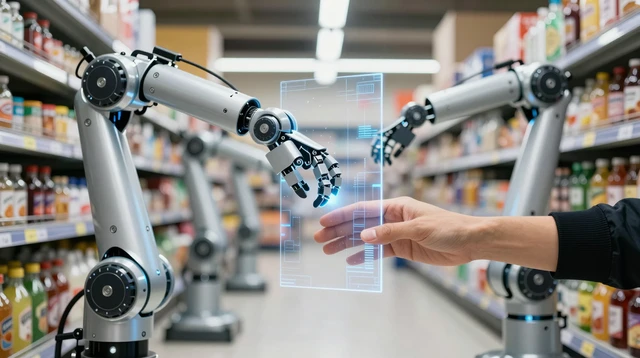
The third—and perhaps most unexpected—segment is complex physical labor. Facilities maintenance technicians, corporate fleet drivers, and pharmacists operate in environments requiring high adaptability and fine motor skills. Despite advancements in robotics, responding to equipment failure or providing professional pharmaceutical oversight requires a blend of tactile experience and critical thinking that remains impossible to digitize.
Particularly noteworthy is the social mobility created within this new ecosystem. Many of these strategically vital positions are becoming accessible to employees who began their careers in entry-level, hourly roles. This transforms retail from a site of simple labor into an educational hub.
Personnel adaptation strategies are shifting toward lifelong learning. Investing in human capital through specialized platforms and certification programs has become the primary means of avoiding professional burnout and stagnation. When over a hundred thousand employees undergo retraining, a company effectively builds an internal talent pipeline capable of working in symbiosis with technology rather than competing against it.
Ultimately, AI is not so much destroying professions as it is stripping away the "mechanical noise." What remains are the functions that demand empathy, accountability, and the ability to operate amidst chaos—qualities that define human nature and render it indispensable, even within the world's most automated infrastructure.
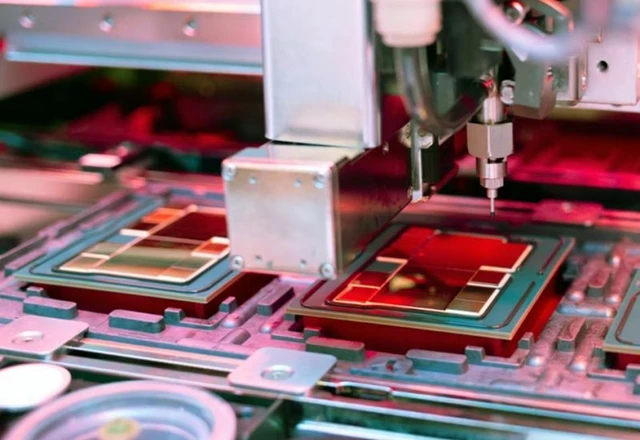 Intel’s Strategic Play for Advanced Packaging Supremacy