The race to secure crew transport to the International Space Station has devolved into a systemic crisis for one of aerospace's legacy titans. While SpaceX continues to showcase technological dominance and operational agility, Boeing’s Starliner project has spiraled into a protracted saga of technical malfunctions and ballooning costs. The latest report from NASA’s Inspector General now calls into question the very viability of the spacecraft's continued operation. Facing a rigid 2030 deadline, Boeing’s ambitions are colliding with the stark reality of fundamental engineering failures.
The current era of low Earth orbit operations is defined by a stark dichotomy in the approach to spacecraft development. A comparison between the missions of SpaceX and Boeing, detailed in a report by NASA’s Office of Inspector General, reveals a profound divergence in project execution. While SpaceX successfully navigated the initial growing pains of its fleet to establish a stable operational cadence, Boeing’s Starliner remains trapped in an endless cycle of testing—tests that increasingly culminate in disappointment.
The history of Starliner is a saga of compounding failures, where each subsequent flight attempt has exposed deeper systemic vulnerabilities. As early as 2019, the maiden flight ended in fiasco due to a critical software glitch. A mission timer error led to the incorrect ignition of the engines, rendering a docking with the International Space Station (ISS) impossible. This incident served as the first red flag, signaling fundamental issues in the management of the spacecraft's complex digital architecture.
The ensuing years offered no respite. Preparations for the 2021 launch were derailed by jamming oxidizer valves, and when the capsule finally reached the station in May 2022, the victory was merely qualified: the mission was plagued by engine failures and helium leaks. By 2023, the list of deficiencies grew to include fire hazards caused by the use of improper insulating tape in the wiring and malfunctions within the parachute system.
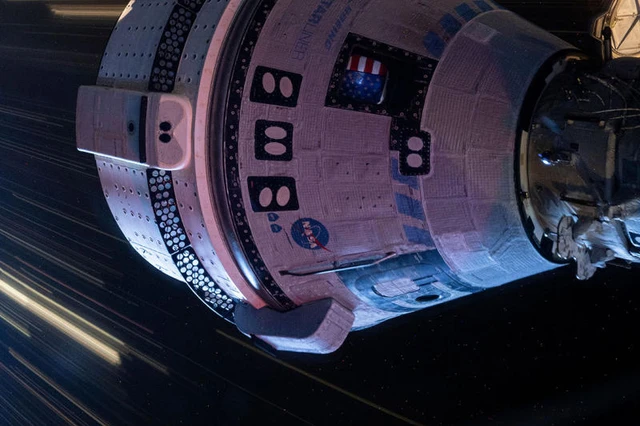
The zenith of this technical collapse was the sole crewed mission. Although the lives of astronauts Butch Wilmore and Suni Williams were never in immediate peril, they effectively became hostages to their own vessel. NASA ultimately determined that returning the crew aboard Starliner was unsafe, forcing them into a months-long residency on the station while awaiting alternative transport.
An analysis of this failure points not only to Boeing’s internal struggles but to institutional failures within NASA itself. The agency exhibited a degree of hubris, relying too heavily on the contractor's reputation and the use of legacy, "time-tested" systems that have proven uncompetitive in the modern landscape. This led to the imposition of overly optimistic testing schedules that ignored the actual state of the technical infrastructure.
Currently, even with a planning horizon extending to March 2026, the issues of helium leaks and propulsion instability remain unresolved. The situation is further complicated by a broader trend of tightening government spending in the U.S. With the ISS slated for decommissioning by 2030, continued investment in Starliner is beginning to look like a classic sunk cost fallacy. The probability that the spacecraft will ever receive full certification for regular crewed flights is rapidly approaching zero.
 Taiwan's Space Program: The First Major Milestone