The global race for dominance over Low Earth Orbit (LEO) is shifting from a phase of rapid, quantitative deployment toward a stage of strategic consolidation. The $8 billion acquisition of Iridium Communications transforms Rocket Lab from a successful small-launch provider into a formidable contender in the global telecommunications arena. This move is designed to dismantle SpaceX's hegemony and establish a viable alternative in the satellite internet sector. The crux of the conflict has shifted: it is no longer merely a question of launch capacity, but of who controls the critical infrastructure of global connectivity.
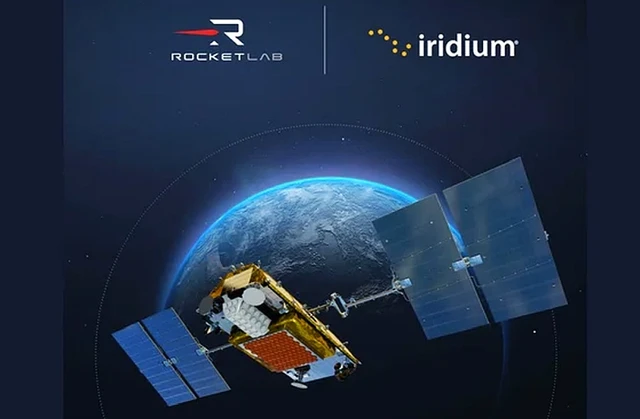
The $8 billion acquisition of Iridium Communications marks a fundamental pivot in Rocket Lab's business model. Rather than building a network from the ground up, the company is betting on the immediate acquisition of turnkey assets: a constellation of 80 satellites that have provided connectivity to the planet's most remote reaches for decades. This is more than a mere portfolio expansion; it is a strategic leap that allows Rocket Lab to bypass years of costly testing and deployment.
The integration of Iridium grants Rocket Lab access to high-margin market segments that were previously out of reach. This extends beyond traditional satellite internet to include Direct-to-Device (D2D) connectivity, the expansion of the Internet of Things (IoT), and the provision of Positioning, Navigation, and Timing (PNT) services. The latter is particularly critical for government agencies and industrial giants, where precision timing and coordinates form the bedrock of infrastructural security.
Of particular value are the deeply entrenched defense contracts that Iridium has serviced for years. In today's geopolitical climate, established trust with defense departments and adherence to stringent security protocols position Rocket Lab as a formidable contender for government contracts. While the Iridium network has recently stagnated due to financial headwinds, the infusion of Rocket Lab's capital and engineering prowess could breathe new life into the system, transforming a legacy network into a modern hub for space-based services.
This move comes amid the aggressive expansion of Starlink, whose valuation and growth trajectory are forcing competitors to take radical action. The industry is gravitating toward the formation of a few hyper-scale ecosystems. Amazon has pursued a similar path: the alignment of its LEO satellite project with Globalstar—the operator powering the iPhone's emergency SOS features—confirms the trend of consolidating resources to challenge SpaceX's dominance.
The technological landscape of this struggle is inextricably linked to the consumer electronics market. A few years ago, Qualcomm partnered with Iridium to implement the Snapdragon Satellite standard, aiming to give Android users the ability to send text messages via satellite without specialized hardware. This initiative was intended as a direct counter to Apple's SOS functionality. However, due to resistance from smartphone manufacturers and the complexities of integration, the project was effectively shuttered in 2023. Today, only Google Pixel 9 owners are reaping the dividends of these efforts, underscoring the immense difficulty of migrating space technologies into the mass consumer segment.
Ultimately, the acquisition of Iridium transforms Rocket Lab into a vertically integrated powerhouse that now controls the entire value chain: from rocket manufacturing and launch to satellite network operation and the delivery of end-user communication services. In this new reality, victory will not go to the player that launches the most satellites, but to the one that can seamlessly integrate space infrastructure into the daily lives of billions.
 The Phenomenal Battery Life of the Nokia 300 Charge