The indie game landscape is frequently defined by the tension between the pressure for rapid deployment and an uncompromising pursuit of quality. Eric Barone, the visionary who reimagined the farming simulator with Stardew Valley, finds himself navigating a similar crucible with his latest endeavor. Haunted Chocolatier is shaping up to be more than just a game; it is a manifesto of creative perfectionism and absolute developer autonomy. His refusal to compromise on the user experience highlights a rare phenomenon: when commercial success grants a creator the luxury of transforming development into a deliberate, disciplined search for the ideal.
The creation of the cult hit Stardew Valley placed Eric Barone in a unique position: he became the gold standard for solo development, proving that a single individual could craft a deep, commercially successful universe beloved by millions. However, this triumph has left its mark on his latest venture—Haunted Chocolatier. Announced back in 2021, the game is slowly taking shape, becoming a hostage to the author's relentless pursuit of perfection.
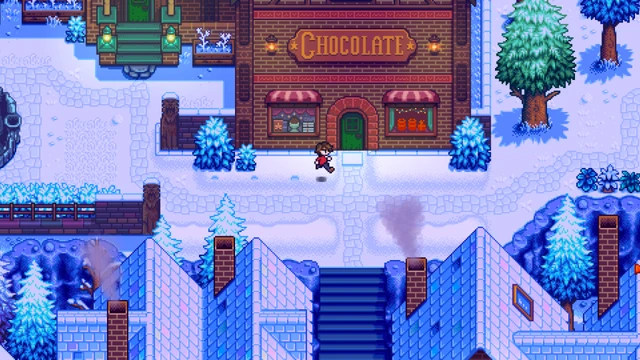
Departing from his previous agricultural focus, Barone’s new work shifts the spotlight toward urban environments, magic, and the art of confectionery. At its heart lies a chocolate shop shrouded in mystery and ghosts, where world exploration and social interaction blend with the quest for rare ingredients. While it retains some familiar social mechanics, the project leans toward a more fantastical and atmospheric narrative.
The primary obstacle to release has been Barone’s absolute perfectionism. The developer is focused on creating a "seamless" experience where every player action feels intuitive and aesthetically pleasing. In game design, there is the concept of cognitive load; Barone aims to minimize this in the elements players interact with most frequently.
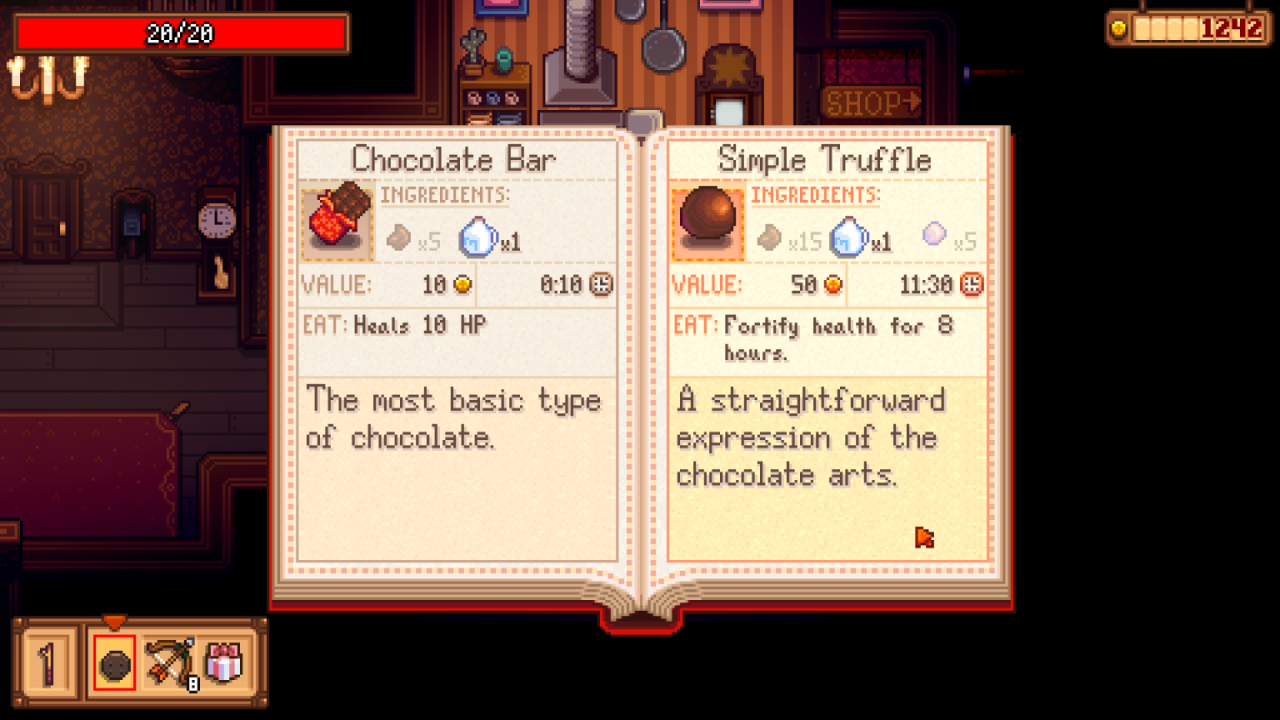
A prime example of this iterative refinement is the chocolate recipe book. This interface has undergone countless revisions to achieve a perfect balance: the window must not be cluttered with superfluous data, yet it must maintain the game's overall atmosphere and require minimal clicks to execute a task. In a world where crafting is a central pillar of gameplay, any friction in the UI can shatter player immersion.
Alongside technical refinements, Barone has adopted a strategy of strategic opacity. Rare screenshots and a lack of detailed progress reports stem from a reluctance to showcase "raw" versions of the product. In a modern industry where marketing campaigns often launch years before a game's release, such a stance is almost revolutionary. The author fears that early demonstrations might create false expectations, as many elements may be radically altered during the polishing phase.
This strategy is only possible thanks to the financial independence garnered by Stardew Valley. Barone is unbound by obligations to publishers or investors and does not require aggressive promotion for the studio's survival. This allows Haunted Chocolatier to evolve at a measured pace, transforming the development process from a race against deadlines into an act of pure creativity, where the sole metric of quality is the author's own internal satisfaction.
 The Hidden Survival Mechanism of NeXT