The global race for AI supremacy is demanding an unprecedented surge in energy resources. Tech giants, who once championed a bold transition toward "green" energy, are now colliding with a harsh reality: the velocity of growth is in direct conflict with ecological sustainability. A recent report from Amazon reveals a sharp spike in carbon emissions, exposing the profound contradiction between algorithmic ambition and the planet's physical limits. This case presents the industry with a fundamental dilemma: is sustainable digital progress actually achievable, or will the price of this intellectual breakthrough prove prohibitively high for the climate?
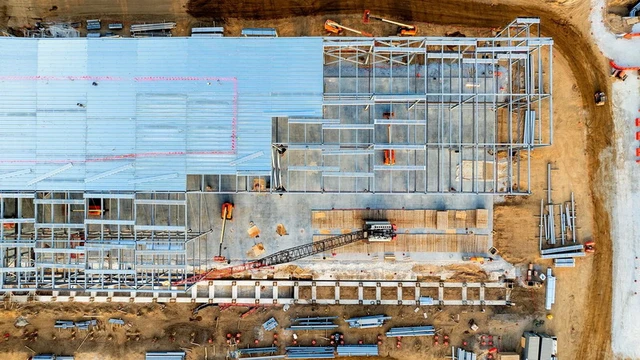
The pursuit of technological dominance in the era of generative AI carries a hidden, physical toll. Recent sustainability data from Amazon reveals a troubling trend: a 16% surge in the company's carbon emissions for 2025. This spike is a direct consequence of massive infrastructural expansion—multi-billion dollar investments in new data centers essential to support the colossal computing power demanded by modern neural networks.
Of particular concern is the trajectory of indirect emissions linked to purchased electricity, which jumped by 34% over the year. This surge is driven not only by the voracious appetite of data centers but also by a broader strategy to electrify logistics networks and corporate offices. Consequently, the company finds itself caught in a paradox: the simultaneous push for fleet electrification and the deployment of AI infrastructure has created a cumulative energy demand that is scaling far faster than the integration of renewable energy sources.
This situation poses a severe challenge to the "Climate Pledge" adopted by the company in 2019, which aims for net-zero carbon emissions by 2040. Management acknowledges that artificial intelligence has emerged as a "black swan" for ecological planning. On one hand, AI unlocks incredible potential for system optimization and accelerates scientific discoveries that could aid the fight against global warming. On the other, it generates an immense demand for energy and water for server cooling, effectively nullifying many of the company's previous environmental gains.
Within the corporate environment, this discrepancy has ignited a sharp conflict. Employee groups advocating for climate justice point to a dangerous trend: total emissions have risen by 58% since the environmental commitments were first made. In their view, the rhetoric regarding "AI's potential for sustainability" is merely an attempt to obfuscate the prioritization of short-term profit over the long-term survival of the ecosystem.
To defend its position, the company is pivoting toward more flexible metrics, such as "carbon intensity." This metric measures emissions relative to every dollar of revenue generated. According to internal data, intensity has decreased by 38% since 2019, which theoretically suggests an increase in business efficiency. However, from a climatological perspective, this logic is fallacious: the atmosphere is indifferent to how much profit each kilogram of $\text{CO}_2$ generates; only the absolute volume of emissions matters.
The industry now faces a fundamental reckoning regarding its approach to technological development. It is evident that traditional carbon offsetting methods are no longer sufficient to handle the scale of the AI revolution. What is required is a transition toward truly responsible systems engineering, where the energy efficiency of algorithms and compute architecture becomes as high a priority as the accuracy of the AI's output. Without this shift, the digital breakthrough risks becoming the catalyst for the very ecological crisis it promises to help solve.
 The Evolution of the Apple Home Ecosystem