Modern mobile photography has reached a stalemate of hyperrealism, driven by algorithms obsessed with the sterile purity of every single pixel. Consequently, images often lose their character, devolving into predictable and overly sanitized digital canvases. Google is seeking to pivot this trajectory by introducing tools designed to restore organic imperfections and a sense of tactile texture to the frame. The new Camera Looks feature in the Pixel 11 series signals a pivotal shift: moving beyond mere quality enhancement toward the intentional curation of visual style.
The "smartphone look" has long been a point of contention among professional photographers and enthusiasts. It refers to the distinct artifacts produced by aggressive computational photography pipelines: excessive noise reduction, artificial over-sharpening, and an exaggerated dynamic range that often renders images flat and sterile. In an attempt to break this barrier, Google has introduced "Camera Looks," a technology that fundamentally reimagines the process of image formation.
Unlike traditional filters applied as an overlay to a finished shot, Camera Looks operates at a deeper level—interacting directly with the raw data streaming from the sensor. By manipulating the signal before it is baked into the final file, Google achieves a result that feels significantly more natural and nuanced.
The "Digi" mode is particularly compelling. It is engineered to emulate the aesthetic of early digital cameras, which are prized for their idiosyncratic color science and characteristic grainy noise. This is more than a mere nostalgic effect; it is an attempt to reintroduce a sense of materiality and organic unpredictability into mobile photography—elements largely lost in an era of total digital control.
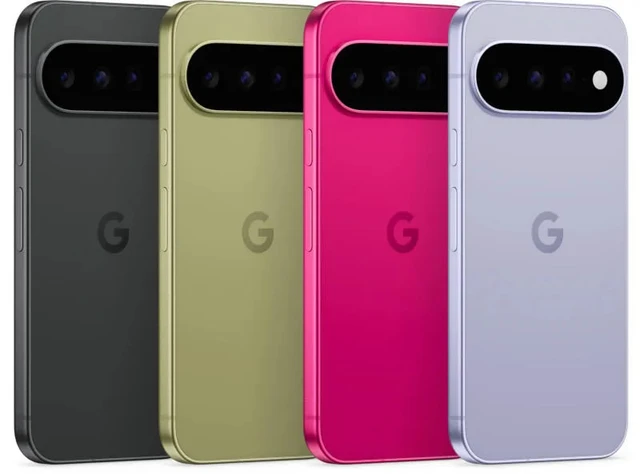
However, such deep integration comes at a cost. Because Camera Looks is tightly coupled with the hardware capabilities and the specific architecture of the next-generation Image Signal Processor (ISP), the feature is initially exclusive to the Pixel 11 series. The device's hardware stack enables real-time processing of sensor data without latency—a feat that would be impossible on legacy chipsets.
Whether this functionality will trickle down to previous generations remains an open question. Despite cautious statements from Google regarding their desire to expand product capabilities, there are no concrete timelines for porting the technology to older models. This underscores the widening chasm between software and hardware: software is becoming so sophisticated that its potential is now strictly dictated by the physical limits of the silicon.
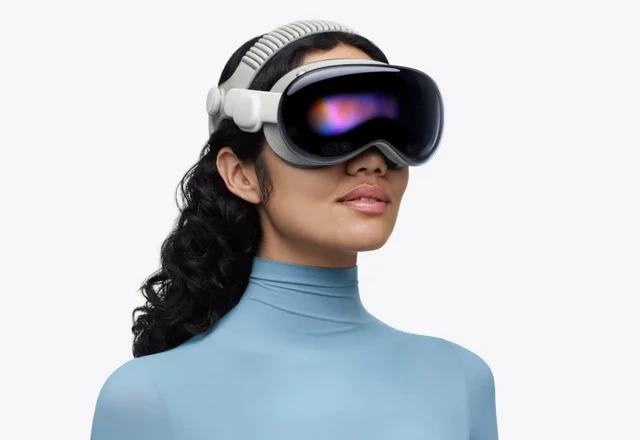 The Evolution of Apple's Augmented Reality Ecosystem