The transportation industry is undergoing a fundamental paradigm shift, one where hardware is no longer confined to the constraints of traditional wheel-based architectures. Tesla is making a bold strategic pivot, shifting its corporate center of gravity from electric vehicle manufacturing toward the development of humanoid robotics. This strategic realignment demands significant trade-offs, including scaling back the production of flagship models to fuel the ambitions of Project Optimus. Yet, the chasm between public pronouncements and industrial reality remains palpable.
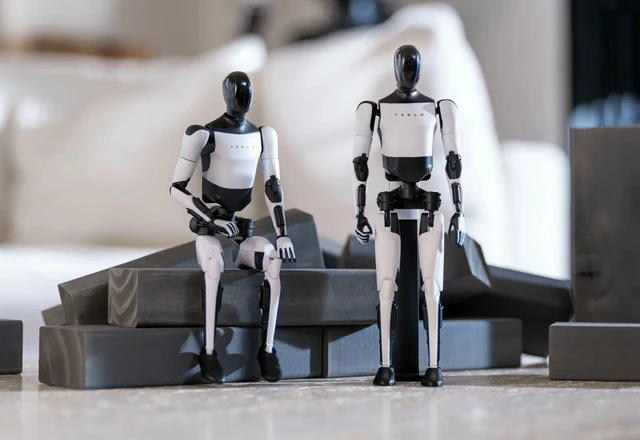
The reconfiguration of Tesla's manufacturing footprint at the Fremont plant serves as a stark testament to the company's shifting priorities. Facilities once dominated by the assembly of premium Model S and Model X electric vehicles are effectively being repurposed to meet the demands of Project Optimus. This is more than mere local optimization; it represents a fundamental pivot in production philosophy, where humanoid robotics are ascending the factory hierarchy, displacing traditional automotive assembly.
The projected scale of deployment is staggering. While the Fremont facility is slated to produce up to one million robots annually, the capacities in Austin—home to the corporate headquarters—are targeted for a tenfold surge. Through this, Tesla aims to establish an unprecedented ecosystem of autonomous agents.
Despite these ambitious blueprints, the path to mass-market viability remains fraught with challenges. Previously touted targets of five thousand Optimus units have materialized as only a handful of prototypes reserved for internal testing. Furthermore, the current state of the robots raises questions regarding practical efficiency; at this stage, they have yet to deliver tangible utility within real-world production processes, despite the original vision of Optimus autonomously assembling both its peers and the company's vehicles. Consequently, full-scale shipments of third-generation robots to external clients are not expected until late 2027 at the earliest.
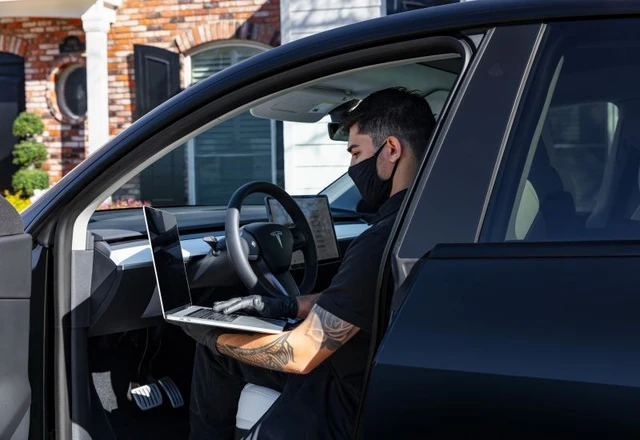
Parallel to the hardware evolution is an intensive focus on the cognitive architecture—the Full Self-Driving (FSD) software. The system has evolved from version v14, which debuted last autumn, to v14.3, described as the definitive piece of the puzzle on the road to full autonomy. Currently, version v15 is undergoing field tests on Texas roads, integrated into a fleet of autonomous taxis. Initial operational results appear promising, validating the strategic direction.
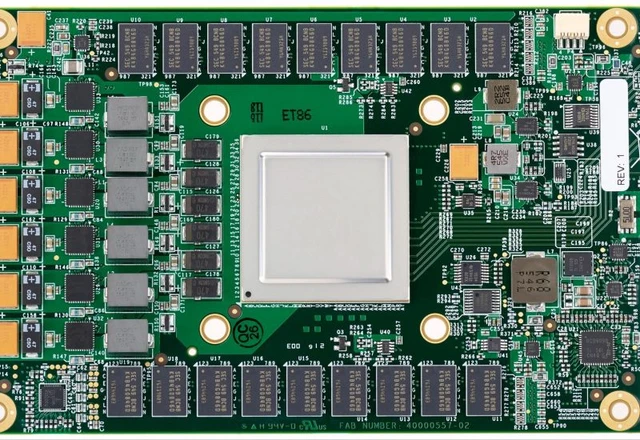
The technological stack continues to mature at the silicon level. While current HW4 hardware is deemed sufficient for a fully functional autopilot, the company is already preparing the release of the AI 4.5 processor. This new chip will deliver an approximate 10% performance boost and, more critically, double the available memory—a necessity for processing massive data streams in real time.
The culmination of this technological trajectory will be the aggressive scaling of Tesla's proprietary robotaxi fleet, scheduled for the turn of the current and coming year. Tesla is deliberately tempering the pace of fleet expansion, prioritizing rigorous safety validation. Only after the absolute reliability of these driverless systems is confirmed will the company pivot to aggressive network expansion, transforming the concept of autonomous transport into an everyday reality.
 Anthropic’s Strategic Push for Hardware Independence