The global pursuit of energy density and manufacturing scalability has emerged as the primary battleground of the electric vehicle industry. Despite its dominant position, Tesla is grappling with significant hurdles as it attempts to transition sophisticated laboratory breakthroughs into large-scale industrial production. The Berlin Gigafactory is evolving into a proving ground for a bold experiment in open innovation; by leveraging external startups to optimize its production lines, the company aims to shatter its manufacturing ceiling and push energy efficiency to an entirely new frontier.
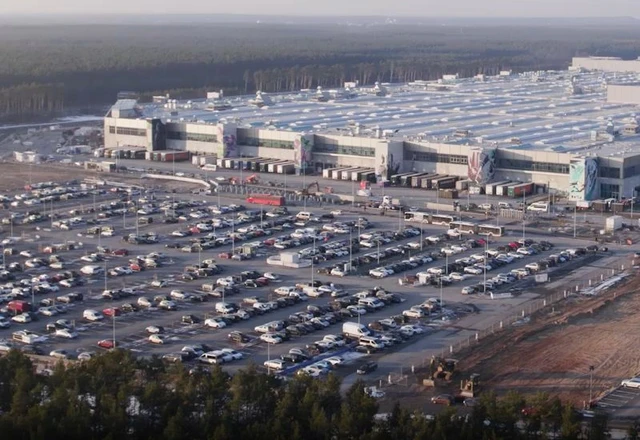
The European electric vehicle market is currently experiencing a period of volatility, and Tesla's German operations are no exception. However, the Berlin Gigafactory is far more than a mere assembly plant; it serves as a critical hub for traction battery production. Recognizing that internal R&D resources cannot always sustain the necessary pace of iteration, the company has decided to open its production facilities to external developers.
At the heart of this strategy lies the Giga Cell Challenge. This initiative is essentially an open-innovation tech accelerator integrated directly into the factory's production line. The objective is ambitious: to scale annual battery output to 18 GWh. To achieve this, Tesla has partnered with JUNI, an ecosystem that aggregates German startups and enjoys the backing of German state institutions. This symbiosis allows the corporation to leverage the agility of small, nimble teams, while providing young companies the opportunity to stress-test their solutions within one of the world's most advanced manufacturing environments.
The strategy is divided into five core focus areas. First is the pursuit of novel materials capable of increasing energy density and reducing charging times. Second is the modernization of hardware and the optimization of production workflows to drive down defect rates. The third and fourth pillars are automation and the integration of artificial intelligence, both aimed at minimizing human error and accelerating the assembly cycle.
The selection process mirrors a rigorous venture-style screening. Candidates who applied by the end of July are undergoing a multi-stage verification process. Ideas are first subjected to critical analysis by Tesla’s engineers, followed by prototype presentations to stakeholders; only then is a decision made regarding the pilot implementation of the technology into the actual production cycle. The experimental phase is set to launch in August, underscoring the company's drive to implement improvements with maximum velocity.
The project's financial scale highlights its strategic priority. Tesla had previously planned to invest $250 million to expand capacity from 8 to 18 GWh per year. However, with the launch of the startup recruitment program, total funding for the German plant will rise to $350 million over the next six months. If successful, this surge in investment will enable the facility to supply batteries for 250,000 to 300,000 electric vehicles annually.
It is worth noting that this newfound openness is partly a response to specific challenges. Initial plans to localize the production of 4680 cells in Germany encountered significant technical hurdles. Transitioning to this new battery format requires exacting precision in both chemical processes and mechanical assembly, which acted as the catalyst for seeking external innovation. Tesla is now betting on the industry's collective expertise to transform the Berlin plant into a global benchmark for efficiency.
 The Global Triumph of Chinese Electric Mobility