The modern semiconductor market is grappling with a paradoxical crisis: the surging demand for AI solutions is triggering volatile price spikes. This phenomenon, dubbed "chipflation," is rippling far beyond tech giants, impacting the entire consumer electronics ecosystem. To stabilize the landscape and stave off the encroachment of emerging competitors, industry leaders are reconfiguring their global manufacturing footprint. Reshoring production to the United States has evolved from a tactical choice into a strategic imperative for ensuring long-term market resilience.
The semiconductor industry has reached a critical juncture where high profitability is no longer viewed as an unconditional success, but rather as a systemic risk. The current state of the memory market is characterized by abnormal price surges that are creating a dangerous imbalance. While AI developers can offset these additional costs through venture capital and strategic investments, PC and smartphone manufacturers find themselves trapped. For them, the only recourse is to pass these costs onto the end consumer, an inevitability that threatens to stifle economic growth across the consumer electronics sector.
Of particular concern is the risk of production capacity stagnation. When market leaders are incentivized to limit the construction of new fabrication plants to maintain elevated pricing, they create a vacuum that will inevitably be filled by new entrants. The history of technology markets proves that excessive margins invariably attract ambitious competitors. Elon Musk’s drive to enter the advanced chip market serves as a prime example; even if he is not targeting memory specifically, the emergence of new centers of power fundamentally alters the rules of engagement. Consequently, saturating the market with existing production becomes the only viable defense against aggressive external competition, even if it necessitates a temporary dip in profits.
The situation is further complicated by the fact that "chipflation" has evolved beyond a purely economic issue into a catalyst for geopolitical tension. Today, the AI sector generates demand for approximately half of all semiconductor output. Forecasts for the coming year are even more strained: demand for AI chips is expected to surge by 60–100%, yet the production ramp-up from major players is failing to keep pace with this exponential leap. As a result, the overall supply deficit will only intensify, exerting critical pressure on global supply chains.
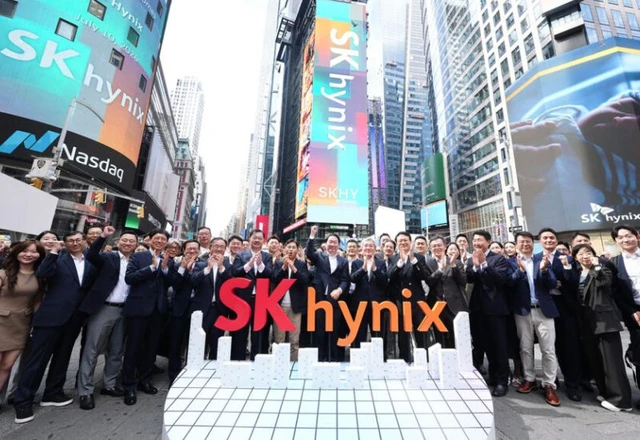
Geographic concentration has also become a systemic vulnerability. With the world's two largest memory suppliers based in South Korea, any market turbulence instantly translates into political pressure on the South Korean government. In this context, the push to build new plants directly within the United States is no longer merely a matter of logistics or marketing; it is a strategic maneuver designed to diversify risk and reduce geopolitical dependency.
In the long term, market stability can only be achieved by shifting from a "hand-to-mouth" strategy toward systemic planning. Identifying optimal locations for new facilities worldwide will accelerate the launch of production lines and smooth out price volatility. Ultimately, the industry's ability to rapidly scale memory production will determine whether the AI revolution becomes an accessible technological leap or remains a privilege reserved for a few elite players capable of paying the "scarcity tax."
 Energy Autonomy: The Extreme Edition