The launch of the Steam Machine represents Valve's latest endeavor to redefine the living room gaming experience, bridging the gap between the raw power of a PC and the seamless convenience of a console. Yet, even the most ambitious engineering feats are not immune to the harsh realities of global supply chain volatility. Discrepancies in memory configuration have emerged as an unforeseen technical hurdle, effectively splitting the hardware into distinct performance tiers. At the heart of the issue lies the critical trade-off between single-channel and dual-channel DDR5 memory architectures.
The Steam Machine represents Valve's ambition to engineer an uncompromising gaming powerhouse. At its core lies a potent semi-custom AMD processor based on the Zen 4 architecture, featuring six cores and twelve threads, paired with an RDNA 3 graphics accelerator boasting 28 compute units and 8 GB of dedicated GDDR6 memory. Yet, beneath the surface of this uniform product line lies a technical paradox concerning the system's memory architecture.
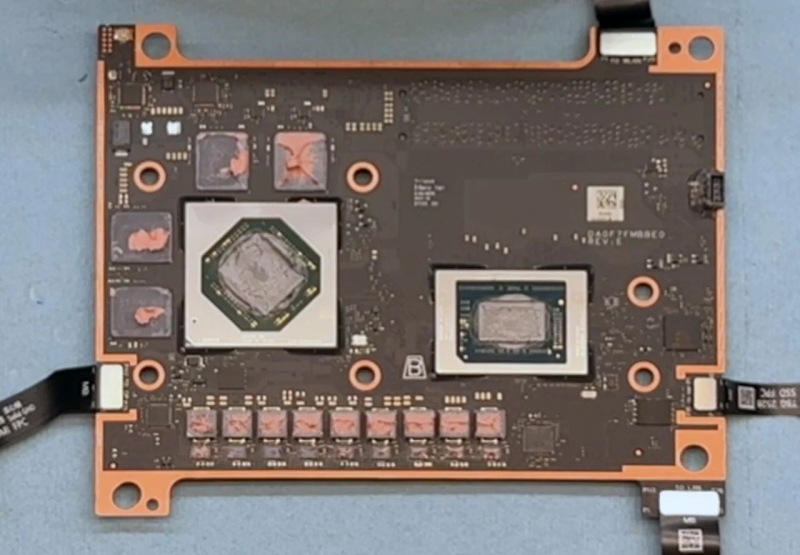
The issue is rooted in logistics: facing a shortage of 8 GB DDR5 modules at the scale required for mass production, Valve was forced to pivot its approach. Consequently, some units ship with a single 16 GB module, while others utilize a traditional dual-channel pair of 8 GB sticks. This creates a disparity where systems with identical total capacities operate in fundamentally different modes—single-channel versus dual-channel.
From a technical standpoint, the divergence between these configurations is significant. Dual-channel mode substantially boosts memory bandwidth, which traditionally translates to more stable frame rates and enhanced overall system responsiveness. While Valve's engineers maintain that internal benchmarks showed no critical performance degradation, independent analysts at Gamers Nexus insist on the objective superiority of the dual-module configuration.
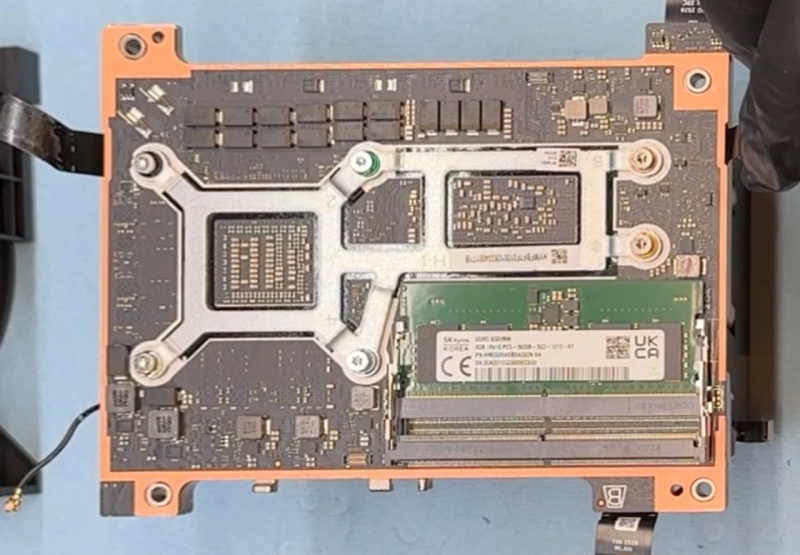
Nevertheless, Valve has engineered a degree of upgradeability into the Steam Machine. The inclusion of standard SODIMM slots allows users to manually reconfigure their RAM, whether to expand capacity or enable dual-channel mode. The company has also prioritized the "right to repair," partnering with iFixit to provide comprehensive guides—though accessing the memory modules requires a more intensive teardown than replacing the SSD.
The device's pricing strategy reinforces its positioning as a premium offering. The base model, equipped with a 512 GB drive, starts at $1,049, while the top-tier 2 TB SSD variant is priced at $1,349. For those seeking full ecosystem integration, bundles including the Steam Controller are available, ranging from $1,128 to $1,428 depending on the storage capacity.

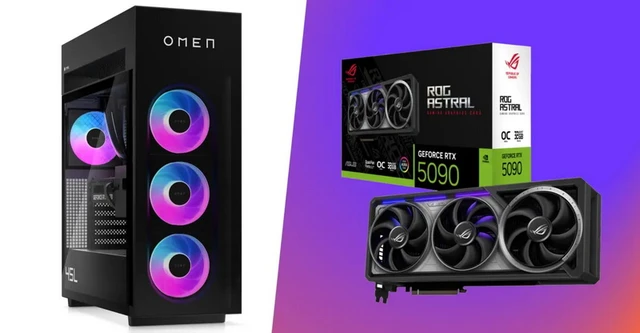 The Economic Paradox of the GeForce RTX 5090