The race to return to the Moon has entered a pivotal phase of critical testing. SpaceX’s Starship project has emerged as the linchpin of the Artemis program, bridging the gap between private-sector ambition and NASA's strategic mandates. Following a series of technical setbacks and meteorological volatility, the system is gearing up for its next decisive leap—one where every second of flight carries immense strategic weight. The primary focus now rests on validating heat shield integrity and ensuring the reliability of Raptor engines under extreme conditions.
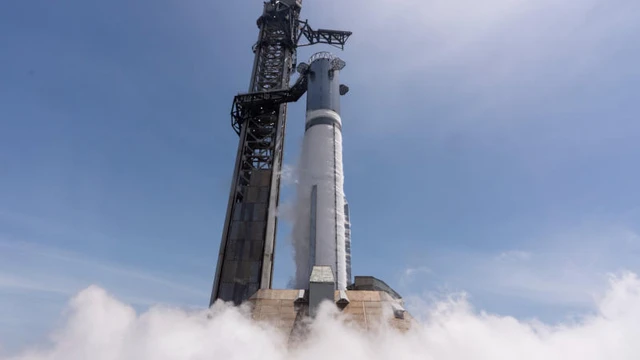
Preparations for the next Starship launch are unfolding amidst palpable tension. Following a forced scrub triggered by erratic weather and technical glitches, SpaceX has opened a new 90-minute launch window on July 25. This flight has evolved beyond a routine systems check; it is now a rigorous experiment designed to push materials to their absolute physical limits.
The primary objective of the current mission is to gather high-fidelity data on the spacecraft's thermal protection system. During phases of peak dynamic pressure, the vehicle endures colossal thermal and mechanical stresses, providing a real-world assessment of the heat shield tiles' efficacy. For SpaceX, flawless ground visibility is paramount—the very reason for the rescheduling—as any atmospheric interference could deprive engineers of the ability to monitor critical surface alterations in real time.
Technical preparations were further complicated by the failure of two Raptor engines immediately preceding the previous attempt. In response, SpaceX replaced the units but made the bold decision to bypass full static fire tests on July 22. Instead, engineers limited their scope to leak checks for the Super Heavy booster. This shift signals a transition toward an accelerated iterative cycle, where confidence in the engine's architecture allows for streamlined pre-flight protocols without compromising safety.
The stakes surrounding Starship have never been higher. Beyond engineering prestige, the project is bound by stringent obligations to NASA under the Artemis lunar program. Furthermore, the financial dimensions of the venture have become increasingly transparent and sensitive; the company's public market presence means that any technical setback translates instantly into asset volatility, potentially driving valuations below the initial offering price.
The flight profile is slated for approximately one hour, encompassing several critical phases. Following liftoff, the Super Heavy booster is expected to perform a controlled splashdown in the Gulf of Mexico. Meanwhile, Starship will leverage its Raptor engines to reach suborbital altitudes. A highlight of the mission will be the deployment of 20 Starlink V3 satellites, which are designed to follow the spacecraft's trajectory.
The mission’s critical climax will be the attempted reignition of the Raptor engines in a vacuum prior to atmospheric reentry over the Indian Ocean. Success here would validate Starship's capacity for orbital maneuvering—a non-negotiable requirement for full payload delivery and subsequent missions to the lunar surface.
 Industrial Espionage in the Semiconductor Sector