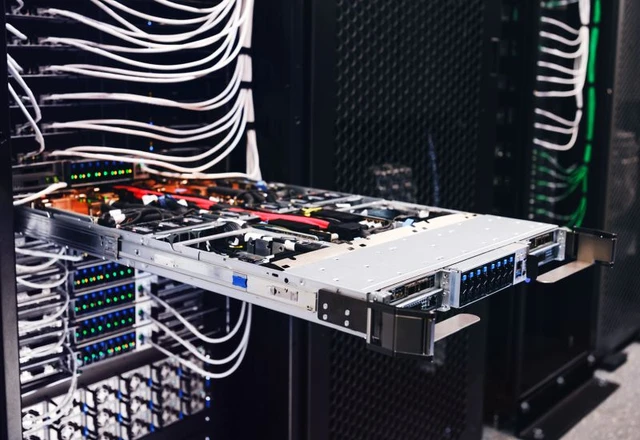
SpaceX is evolving beyond the construction of a global communications network, pivoting toward the deployment of a comprehensive space-based computing infrastructure. The unveiling of Project Starmind signals an ambitious bid to migrate data centers from the terrestrial surface to low Earth orbit. A constellation of one million satellites, equipped with AI accelerators, is envisioned as the bedrock of a new technological epoch. This represents a strategic leap toward transforming humanity into a civilization capable of harnessing the full energy potential of its home star.
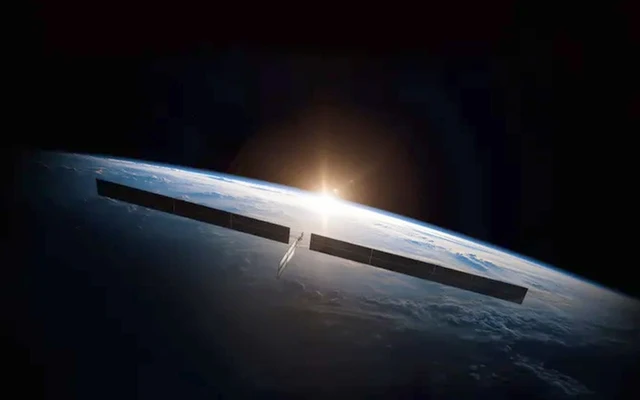
SpaceX’s ambitions have long since transcended the mere delivery of cargo to orbit or providing internet access to the planet's most remote corners. Its latest initiative, dubbed "Starmind," positions the company as the architect of a global cosmic intelligence. The concept envisions an unprecedented constellation of one million satellites, each functioning as an autonomous orbital data center equipped with specialized AI accelerators.
At the heart of this project is a drive to overcome the terrestrial constraints of scaling computational power. Space offers the ideal environment for massive data centers: virtually unlimited and constant access to solar energy and a total absence of atmospheric interference. Shifting computation to orbit allows for a radical reduction in the operational costs and technical complexities plaguing ground-based server farms, which require colossal expenditures for cooling and power supply.
This approach aligns seamlessly with the Kardashev scale—a theoretical model proposed in 1964 by radio astronomer Nikolai Kardashev to measure the technological advancement of civilizations. According to this metric, a society's development is defined by the amount of energy it can harness. While a Type I civilization masters all the resources of its home planet, a Type II civilization is capable of utilizing the entire energy output of its parent star. Starmind represents a tangible leap toward this transition, creating an infrastructure capable of supporting AI applications for billions of people while simultaneously laying the foundation for humanity's multi-planetary existence.
Starmind is not an isolated venture; rather, it is the apex of a broader "Star" ecosystem. It organically complements SpaceX's existing and planned hierarchy:
- Starship serves as the primary transport hub, ensuring the economically viable delivery of hardware into deep space.
- Starbase acts as the system's industrial heart, evolving from a mere launch complex into a full-scale technological hub.
- Starlink provides the communication layer, which will eventually be integrated with Starmind's computational power.
- Starshield ensures a secure perimeter for communication and surveillance, safeguarding national security and government interests.
- Starfall closes the logistical loop, enabling the safe return of materials from orbit to Earth.
The scale of Starmind is staggering: the planned constellation will be approximately one hundred times larger than the current Starlink network. This effectively transforms near-Earth space into a giant distributed computer, where data is processed as close to the source of acquisition and transmission as possible.
It is fascinating to observe how SpaceX's brand semiotics have evolved alongside its technological growth. In its early stages, the company drew inspiration from the world of raptors—from the Falcon rocket family to the Merlin, Kestrel, and Raptor engines. Now, "Star" nomenclature dominates. This shift in naming reflects the evolution of the company itself: from a launch vehicle manufacturer to the creator of an interplanetary infrastructure where intelligence, energy, and connectivity merge into a single, cosmic network.
 The Evolution of the Apple Home Ecosystem