The transition to electrification in extreme sports has evolved beyond mere questions of battery capacity and torque. Modern off-road motorcycles are morphing into sophisticated software-defined machines, where a single line of code can fundamentally alter the physics of surface grip. The implementation of over-the-air updates for the Stark Varg series signals a definitive departure from traditional reliance on service centers; dynamic performance now evolves in real-time, transforming the vehicle into a perpetually advancing digital ecosystem.
The electric mobility sector has fully embraced the Software-Defined Vehicle (SDV) paradigm, where a machine's capabilities are dictated not merely by its hardware, but by its software architecture. Stark Varg is taking a decisive leap forward in this evolution by implementing comprehensive Over-the-Air (OTA) updates. This shift transforms the motorcycle from a static product into a dynamic platform—one that evolves through remote optimizations and new feature deployments, eliminating the need for frequent dealership visits.
The centerpiece of the latest update is an intelligent traction control system deployed across the flagship Alpha series models: the Varg MX, EX, and SM. Technically, the system operates as a closed-loop feedback mechanism: sensors monitor rear-wheel slip in real-time and instantaneously modulate power delivery to the motor. Whether navigating slick asphalt, loose gravel, or damp forest roots, this automation minimizes traction loss and significantly enhances handling stability.
Granular control is a priority here. Via the Varg mobile app, riders can calibrate the level of system intervention on a scale from 0% to 100%. This creates a critical equilibrium between safety and raw performance: novice riders can rely on maximum stabilization, while professionals can disable the system entirely to regain absolute control over aggressive acceleration.
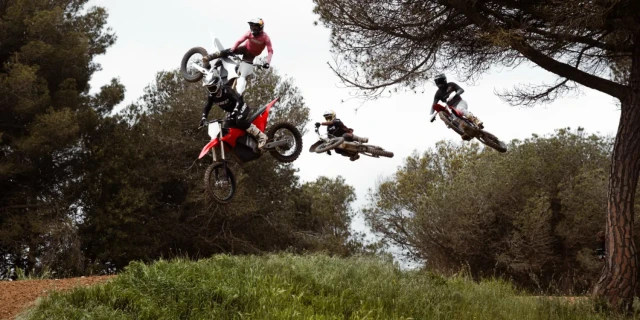
From an engineering perspective, the most intriguing implementation is the system's logic during the aerial phase of a jump. Traction control automatically disengages the moment the motorcycle leaves the ground. In motocross, this is critical; the free rotation of the rear wheel acts as a gyroscope, allowing the rider to manipulate the bike's pitch and attitude before landing. Any software-imposed power restriction during this window could compromise the rider's balance.
However, this technological leap has collided with the rigid constraints of hardware architecture. Owners of lower-spec Varg models have been excluded from this feature, sparking a wave of dissatisfaction within the community. This situation highlights a fundamental tension in modern gadgetry: while software code can be universal, its execution is tethered to the computational power of the controllers and the precision of the installed sensors. While Stark acknowledges these hardware limitations on base platforms, they have left the door open for future system optimizations across all modifications.
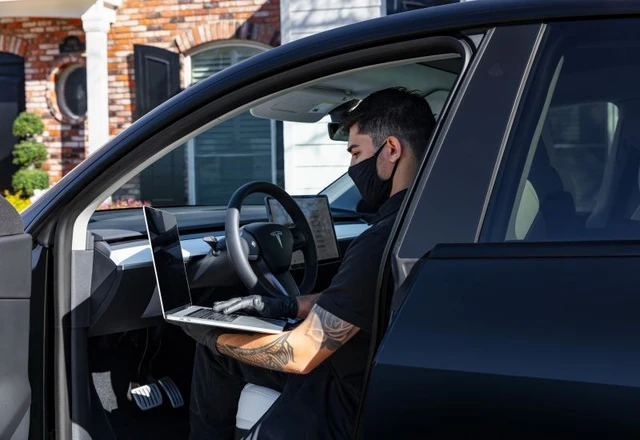 Driver Attention Monitoring in Tesla Electric Vehicles