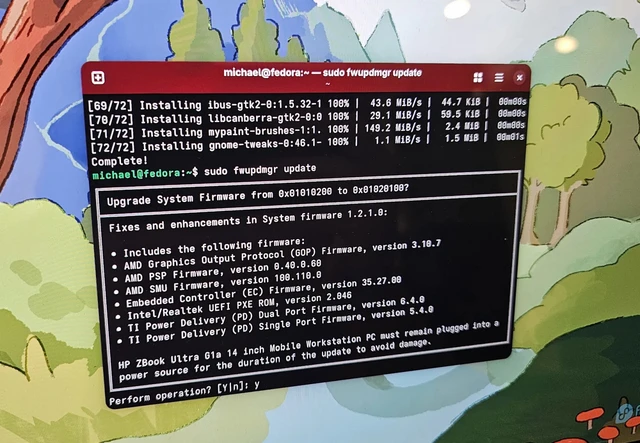
For years, device microcode updates represented one of the most significant pain points for Linux users, typically necessitating either proprietary software or precarious manual interventions. The introduction of the Linux Vendor Firmware Service (LVFS) and the fwupd toolset fundamentally shifted this paradigm, establishing a centralized gateway for firmware updates from hundreds of vendors. With the release of version 2.1.6, the ecosystem continues to refine its stability mechanisms and expand its hardware compatibility list. This evolution is transforming hardware maintenance from a daunting technical chore into a seamless, invisible background process.
Firmware updates in open systems have long been plagued by fragmentation: every manufacturer developed proprietary microcode delivery methods that rarely aligned with the Linux philosophy. The solution arrived in the form of fwupd—a powerful toolkit written in C and Python that operates in tandem with the Linux Vendor Firmware Service (LVFS), a centralized catalog. This ecosystem allows OEMs to upload firmware to a single repository, from which it is then distributed across various distributions.
The project's technical foundation rests on the GNU Lesser General Public License v2.1, ensuring code transparency and accessibility. A pivotal milestone was the release of version 2.0, which introduced support for large partitions within EFI FFS3 (Firmware File System) volumes and ensured stable operation with various CRC-32 and CRC-16 checksum types. This is critical for maintaining data integrity when writing to non-volatile memory, where a single error can lead to "bricking" the device.
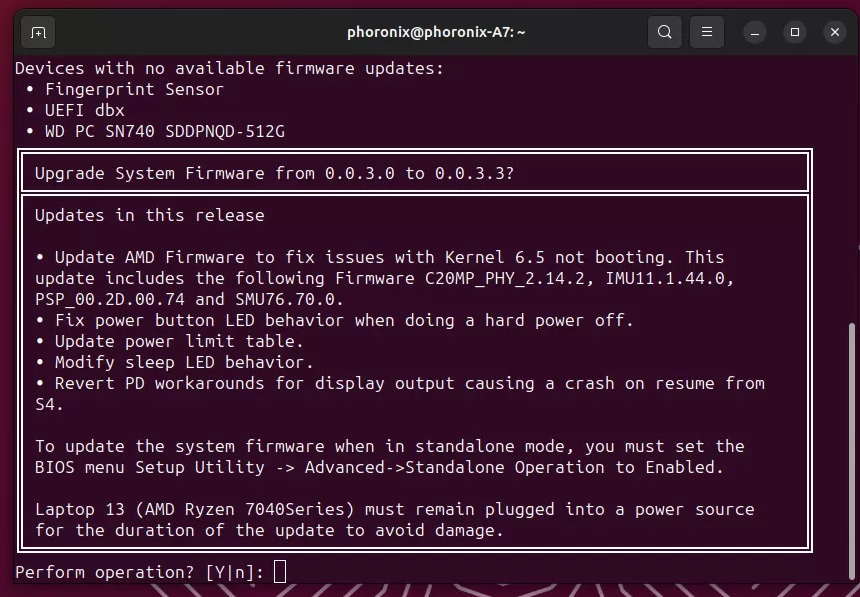
The efficacy of fwupd lies in its ability to create a universal bridge between the vendor and the end user. Today, the project's catalog covers over 1,600 devices from 160 different companies. For manufacturers, this eliminates the need to build separate packages for every Linux distribution; instead, they utilize .cab archives with extended metadata, which are also compatible with the Windows ecosystem. This approach significantly lowers the barrier to entry for vendors wishing to support open operating systems.
The system's flexibility is evident in its delivery methods: fwupd supports both fully automated update modes and user-confirmed scenarios. The toolkit is deeply integrated into major distributions—including RHEL, Fedora, Ubuntu, SUSE, and Debian—and works seamlessly within graphical application managers like GNOME Software and KDE Discover. Furthermore, the solution's scope extends far beyond desktop PCs, encompassing server infrastructure, smartphones, tablets, and the Internet of Things (IoT) segment.
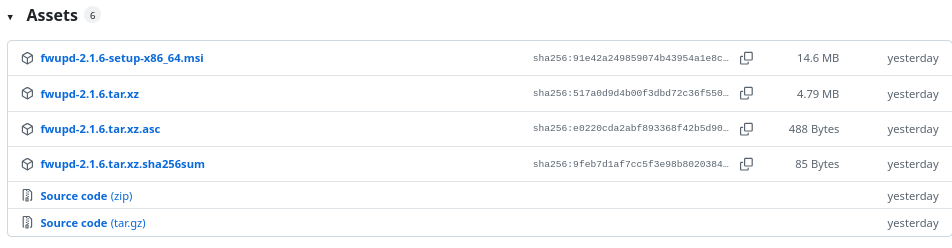
The latest release, version 2.1.6, focuses on refining internal mechanisms and expanding hardware compatibility. Developers have successfully eliminated 23 critical bugs accumulated since the previous stable release and substantially updated the documentation. In terms of hardware support, a notable addition is full interoperability with Lenovo dual-channel adapters and their associated peripherals.
The functional layer has received several key enhancements. The fwupdmgr and fwupdtool utilities now include the --filter-protocol parameter, allowing for more precise control over the update process. To secure devices operating in offline mode, updated hashes for the DBX (Forbidden Signature Database) have been implemented—a critical requirement for the correct operation of Secure Boot.
Special attention has been paid to specific deployment scenarios. The system now supports firmware analysis for Hayden Bridge Thunderbolt and correctly handles HPE Redfish updates that require a server reboot. For users of virtualized environments in VMWare, GCE, and EC2, an issue regarding the ignoring of efivar free space has been resolved, eliminating redundant errors during cloud operations. Additionally, the FwupdClient has been optimized to prevent multiple downloads of the same file, and database update mechanisms have been improved for hardware that is already running new firmware but suffers from internal faults.
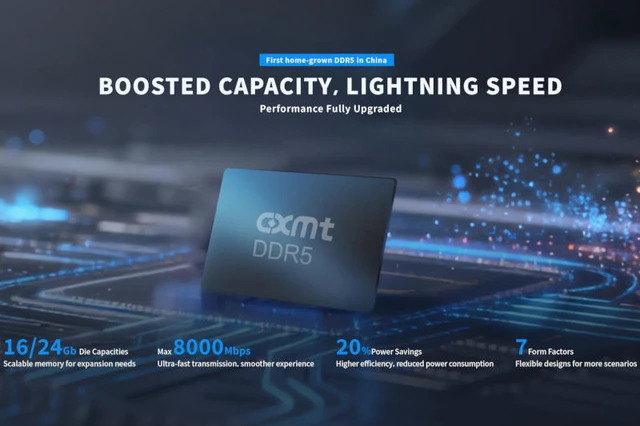 The Price of Acceleration: CXMT’s Rapid Push into Memory