The gaming industry's pivot toward a digital-first model has long been an inevitability. However, Sony's strategy to phase out physical media entirely is escalating this transition into an open conflict. By pledging to cease disc production by 2028, the Japanese giant is effectively transforming its console from an open platform into a tightly controlled, closed ecosystem. Sony now finds itself embroiled in significant legal battles where the stakes extend far beyond millions of dollars, touching upon the fundamental concept of ownership. This precedent could very well redefine the future of content distribution across the entire gaming landscape.
The console gaming industry is approaching a critical inflection point. Sony has officially signaled the timeline for phasing out physical media for PlayStation by January 2028. While the next iteration of the console—tentatively dubbed the PlayStation 6—has yet to be unveiled, the strategic trajectory is clear: the device will be entirely digital. This shift implies that the platform's proprietary store will become the sole authorized channel for acquiring games, effectively stripping users of any viable alternative.
This move has triggered a stark backlash from consumer advocacy groups and gamers alike. In the Netherlands, the non-profit organization Stichting Massaschade & Consument has launched a massive legal action titled "Fair PlayStation." The plaintiffs' demands are substantial: €400 million (approximately $457 million) in compensation to be distributed among 1.7 million affected users.
At the heart of this conflict lies a fundamental economic paradigm shift. The disappearance of physical discs entails the automatic obliteration of the secondary market. In a world where games are distributed exclusively in digital form, the user ceases to be an owner of the product and is instead relegated to a license holder. Without the ability to resell a disc or purchase a pre-owned copy, Sony gains absolute monopolistic control over pricing and content availability.
Legal experts and analysts have termed this phenomenon the "Sony Tax." In the absence of competition from third-party retailers and the used-game market, the corporation can inflate title prices with impunity, maintaining artificially high costs. When the buyer is stripped of ownership rights and alternative distribution channels, the concept of a "fair market price" vanishes, replaced by the hegemony of the platform holder.
However, the Dutch lawsuit is merely one facet of a global trend. The issue of "digital serfdom" and the erosion of consumer rights is evolving into an international legal battleground. In the United Kingdom, Sony is already facing litigation with claims amounting to £2 billion (approximately $2.675 billion). Simultaneously, a class-action lawsuit in the United States has received preliminary court approval, paving the way for potentially massive payouts and a forced overhaul of the company's policies.
The PlayStation situation lays bare a systemic crisis in the modern model of digital content consumption. Should the courts side with the users, it could compel tech giants to rethink their distribution strategies or even catalyze new legislation protecting the consumer's right to own digital assets. For now, the industry remains in a state of suspense: will 2028 mark the dawn of an era of absolute corporate control, or will it be the turning point in the fight for gamers' rights?

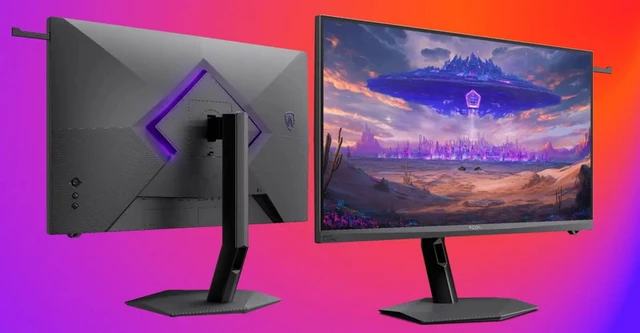 The Pinnacle of Clarity: AOC's New 5K Monitor